



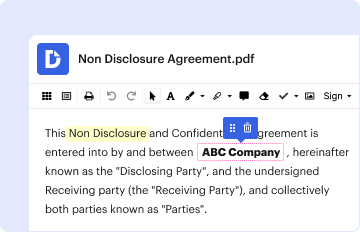
01. Edit your form online
Type text, add images, blackout confidential details, add comments, highlights and more.

Type text, add images, blackout confidential details, add comments, highlights and more.
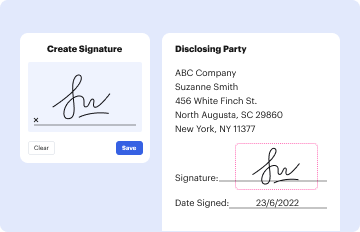
Draw your signature, type it, upload its image, or use your mobile device as a signature pad.

Send it via email, link, or fax. You can also download it, export it or print it out.
The Sexual Harassment Complaint Form is a formal document used by individuals to officially report incidents of sexual harassment. Typically employed in workplace environments, this form allows employees to detail the specifics of harassment experiences they have faced or witnessed. The primary purpose is to record the incident comprehensively, enabling appropriate organizational responses in accordance with legal and corporate policies. By providing a structured format, the form ensures consistency in documenting reported cases, aiding human resources and legal departments in investigations and ensuring the organization's compliance with harassment laws.
To effectively utilize a Sexual Harassment Complaint Form, it's important to understand the procedures and best practices for filling it out accurately and thoroughly. Here’s how you can navigate through the process:
Completing a Sexual Harassment Complaint Form can be critical in addressing and rectifying inappropriate conduct. Follow these detailed steps for accurate completion:
The effectiveness of a Sexual Harassment Complaint Form heavily depends on the inclusion of specific elements that enable a comprehensive evaluation of the incident:
Using a Sexual Harassment Complaint Form is not only procedural but also a legal prerequisite in various contexts, particularly within U.S. employment law:
Real-life scenarios offer insight into the practical application of these forms:
To support a Sexual Harassment Complaint Form, various documents may be necessary to substantiate the claims:
Submitting a Sexual Harassment Complaint Form requires adherence to organization-specific procedures, which can vary significantly:
We've got more versions of the sexual harassment complaint form form. Select the right sexual harassment complaint form version from the list and start editing it straight away!
Yes, it is possible with DocHub. This trustworthy and compliant online solution features a phone-based signing option. After you log in to your DocHub account and import your sexual harassment complaint form to our editor, complete all empty areas and utilize the Sign feature on the upper barf. Click on Create your signature and choose Phone from the available options. Here, you scan a QR code with your smartphone and draw your signature on your phone display, as you normally do when approving hard copies. If you access DocHub right from your mobile device, you can eSign your paperwork by drawing your electronic signature, adding its photo, or simply with a typed name.
You can complete and sign your sexual harassment complaint form on the internet, even on a tight deadline. All you need to access top-notch editing tools on any device is a DocHub account, which you can register in a couple of moments. After you register, upload your file or find what you are searching for in our catalog, complete it utilizing the editing tools you need, and put your electronic signature on it at the end.
At DocHub, your data security is our priority. We follow HIPAA, SOC2, GDPR, and other standards, so you can work on your documents with confidence.
May 16, 1988 An employee wishing to file a charge of sexual harassment will use the. Discrimination Grievance Procedure established by the State Equal.Read more
Discrimination Intake Forms Formal Complaint Forms for Reporting Sexual Harassment, Abuse or Assault. Faculty Staff Discrimination Intake Form.Read more
If you believe that you have been subjected to sexual harassment, you are encouraged to complete this form and submit it to [person or office designated;Read more


