




Definition & Meaning
The equitable third party authorization form is used primarily by policyowners of AXA Equitable Life Insurance Company to authorize the release of life insurance policy information to a specified third party. By completing and submitting this form, policyowners grant permission to share sensitive information with designated individuals or organizations. This process ensures that the third party involved has the legal right to access the specified information for valid reasons, which could include financial analysis, legal proceedings, or advisory purposes. The authorization is typically valid for three years unless revoked or changed.
How to Use the Equitable Third Party Authorization Form
To effectively use the equitable third party authorization form, policyowners must first clearly understand the specific types of information they wish to disclose. This could include personal data, financial details of the life insurance policy, or any related documentation necessary for the third party to fulfill their role. Upon filling out the form, policyowners should ensure that all information is accurate and complete to avoid any delays or issues in data sharing. It's advisable to consult with a legal or financial advisor to ensure all relevant aspects are covered, especially if the information released could have significant implications.
Key Elements of the Equitable Third Party Authorization Form
The equitable third party authorization form comprises several critical elements that must be accurately completed. These generally include:
- Policyowner Information: Details about the person authorizing the release, such as name, contact information, and policy number.
- Third Party Information: Details about the individual or organization being authorized to receive information.
- Scope of Information: Specific details regarding what information will be shared.
- Authorization Period: The timeframe during which the authorization is valid, commonly up to three years.
- Signatures: Legal signatures of the policyowner to validate the document. Ensuring each part is accurately filled out is crucial for the authorization process to be legally binding and effective.
Steps to Complete the Equitable Third Party Authorization Form
Completing the form involves a series of meticulous steps:
- Gather Required Information: Ensure you have all necessary details at hand including your policy number and third party contact information.
- Fill in the Details: Enter the policyowner's and third party's names, addresses, and contact information.
- Specify the Scope of Disclosure: Clearly define the type of information to be shared to prevent unauthorized access.
- State the Authorization Period: Indicate how long the authorization will remain valid.
- Review for Accuracy: Double-check all entries to ensure accuracy.
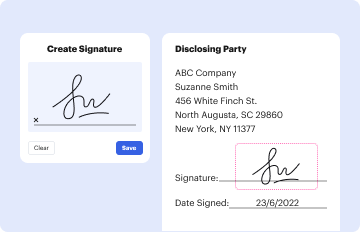
- Sign the Document: Affix your signature to validate the authorization.
- Submit the Form: Follow instructions for submission, usually via mail or online platform provided by the company.
Legal Use of the Equitable Third Party Authorization Form
The equitable third party authorization form is a legally binding document that allows the release of personal and sensitive information for authorized purposes only. Legal uses can include enabling financial advisors to evaluate the policy for planning or compliance with legal requirements during litigation. It’s crucial that the terms outlined in the form are strictly adhered to by both the policyowner and the third party, as any misuse of the information can lead to legal consequences.
Examples of Using the Equitable Third Party Authorization Form
Case studies reveal various real-world scenarios where this form is instrumental:
- Financial Advising: A policyowner authorizes a financial advisor to access policy details for a comprehensive retirement plan.
- Litigation Support: In legal disputes, the form is used to allow legal representatives to gather required evidence related to the policy.
- Estate Planning: Executors of estates use the form to access life insurance information for distributing assets according to the policyholder’s will.
Required Documents
When preparing to fill out the equitable third party authorization form, several documents are generally required to facilitate accurate completion:
- Proof of Policy Ownership: Verification documents like the insurance policy itself or official correspondence from AXA Equitable.
- Identification Proof: Valid ID proofs of the policyowner and the authorized third party.
- Authorization Letter: A letter detailing the authorization specifics, which supplements the form for clarity.
Form Submission Methods (Online / Mail / In-Person)
Submitting the equitable third party authorization form can be done through several methods depending on preference and convenience:
- Online Submission: Enables quick processing by uploading the form through AXA Equitable's online portal.
- Mail Submission: Involves sending the completed form and accompanying documents through postal services to ensure receipt by the insurer.
- In-Person Submission: Allows for personal delivery to an insurance office branch, which can be beneficial for receiving immediate confirmations or addressing queries.


