



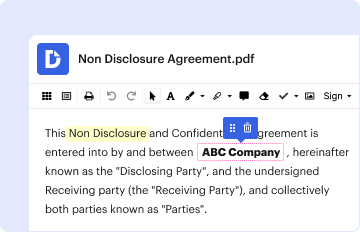
01. Edit your form online
Type text, add images, blackout confidential details, add comments, highlights and more.

Type text, add images, blackout confidential details, add comments, highlights and more.
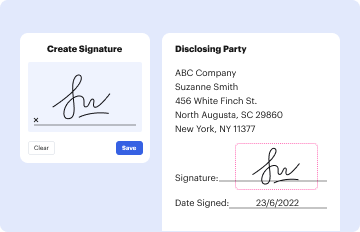
Draw your signature, type it, upload its image, or use your mobile device as a signature pad.
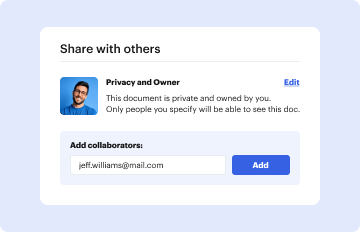
Send it via email, link, or fax. You can also download it, export it or print it out.
Form 3548 is a document primarily used for tax purposes, specifically related to the eligibility and process of claiming the California Disabled Access Credit. This form is generally employed by small businesses looking to offset costs associated with making their facilities accessible to individuals with disabilities. The credit, established to encourage accessibility improvements, represents a significant financial incentive for companies intent on compliance with state and federal accessibility requirements. By using Form 3548, eligible businesses can apply for a credit calculated based on eligible expenditures designed to improve access.
To procure Form 3548, individuals and businesses can access it electronically through the California Franchise Tax Board's website. Alternatively, you may request a paper copy through mail by contacting the tax board directly. The form is also available through most certified tax professionals who handle small business taxes. Those with access to tax preparation software, such as TurboTax or QuickBooks, may also find electronic versions of the form pre-installed within the software suite, facilitating digital submission.
Completing Form 3548 involves a meticulous step-by-step process to ensure accurate submission.
Identify Eligible Expenditures: Gather documentation for all eligible expenditures made during the taxable year.
Calculate Total Expenditure: Total all eligible expenses, remembering that the maximum aggregate eligible expenditure is typically capped at $250.
Determine Credit Amount: Calculate the credit by taking 50% of the eligible expenses, with a total maximum credit of $125.
Complete Form Details: Fill in all required sections, including business information, expenditure breakdown, and calculated tax credit.
Attach Supporting Documents: Include receipts or documentation substantiating the claimed expenditures.
Finalize and Submit: Review for accuracy before submitting alongside your state tax return.
The form contains several crucial sections that require attention. Key components include:
Business Identification Information: Name, address, and tax identification number of the business seeking the credit.
Expenditure Breakdown: Detailed listing of all expenses incurred for accessibility improvements, including the date and description of each expenditure.
Credit Calculation Section: Area designated for computing the total credit based on eligible expenditures.
Form 3548 is primarily used by small businesses in California looking to claim the Disabled Access Credit. Typical users include:
Retail Stores: Modifying entrances, restrooms, or aisles for better accessibility.
Restaurants: Adding ramps or accessible seating to accommodate disabled individuals.
Office Spaces: Implementing wider doorways or accessible parking.
Small businesses within these entities often have the most to gain from maximizing available tax credits for accessibility improvements.
Businesses must adhere to strict guidelines when claiming credits through Form 3548 to avoid legal disputes. Misreporting expenses or claiming ineligible expenditures could not only nullify the credit but also incur penalties.
Ensuring accuracy in your reporting and substantiation of all claimed expenses is critical to avert such risks.
Timeliness in filing Form 3548 is essential to capitalize on the credit benefits. The form must align with the business's annual tax filing, usually due by April 15 of the subsequent calendar year. Extensions on tax filings also apply to this form, if applicable.
By understanding these guidelines, businesses can successfully navigate the intricacies of Form 3548 and procure valuable tax credits for qualifying accessibility expenditures.
We've got more versions of the form 3548 form. Select the right form 3548 version from the list and start editing it straight away!
At DocHub, your data security is our priority. We follow HIPAA, SOC2, GDPR, and other standards, so you can work on your documents with confidence.
Non-degree/special students must submit the non-degree application form (pdf) via mail or in person with the $50 fee.Read more
The Cisco Nexus 3548 Switch (Figure 1) is well suited for high-performance trading, high-performance computing, and big data environments, in which speed andRead more
Eligible small businesses use form FTB 3548, Disabled Access Credit for. Eligible Small Businesses, to figure a credit for expenditures to provide access toRead more


