



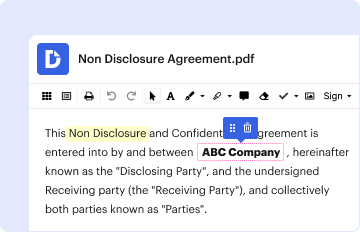
01. Edit your sample supervised visitation notes online
Type text, add images, blackout confidential details, add comments, highlights and more.

Type text, add images, blackout confidential details, add comments, highlights and more.
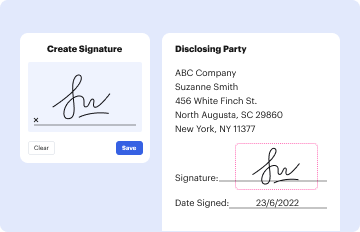
Draw your signature, type it, upload its image, or use your mobile device as a signature pad.
Send supervised visitation report template via email, link, or fax. You can also download it, export it or print it out.
A supervised contact report serves as a formal document that records visits between a child and a non-custodial parent or family member under supervision. The report details the nature of the visit and serves various stakeholders, including courts, social workers, and family support services. Understanding this document is crucial, as it can influence custody arrangements and provide insights into family dynamics and relationships.
The application of a supervised contact report is multifaceted, serving both documentation and communication purposes within the framework of child welfare. Users typically include social workers, guardians ad litem, and family services professionals. The following illustrates the use of the report:
Filling out a supervised contact report involves several systematic steps, ensuring all relevant information is captured thoroughly.
The supervised contact report serves various professionals in the family services sector. Key users include:
Recognizing the range of users emphasizes the significance of accurate and thorough reporting.
Consider how the elements of a supervised contact report play out in practical scenarios:
Case Study 1: A supervised contact report reveals that a child consistently exhibits anxiety when visiting a non-custodial parent. The observed behavior prompts recommendations for therapeutic intervention prior to future visits.
Case Study 2: In a situation where siblings are visiting together, a report notes positive interactions and shared activities that strengthen their bond. This information supports requests for unsupervised visits moving forward.
Case Study 3: A report documents instances of inappropriate behavior by a non-custodial parent during visits. This evidence is crucial in court proceedings where the custody arrangement is under review.
These examples demonstrate the report's critical role in influencing the outcome of family engagement strategies.
Supervised contact reports must comply with various legal standards and best practices to be considered valid in court proceedings. Important considerations include:
Understanding legal compliance is vital for effective documentation and protection of the child’s welfare.
Different states may impose unique requirements regarding supervised contact reports. Awareness of these variations is important for creating compliant documents:
Staying informed of state regulations helps ensure that the supervised contact report is aligned with legal standards and expectations.
Understanding a supervised contact report example means recognizing its essential components and context. To recap:
Overall, a thorough understanding of supervised contact report guidelines, usage, and documentation practices ensures effective communication among all involved stakeholders, ultimately benefiting the child's well-being.
We've got more versions of the sample supervised visitation notes form. Select the right sample supervised visitation notes version from the list and start editing it straight away!
| Versions | Form popularity | Fillable & printable |
|---|---|---|
| 2020 | 4.6 Satisfied (51 Votes) |
At DocHub, your data security is our priority. We follow HIPAA, SOC2, GDPR, and other standards, so you can work on your documents with confidence.
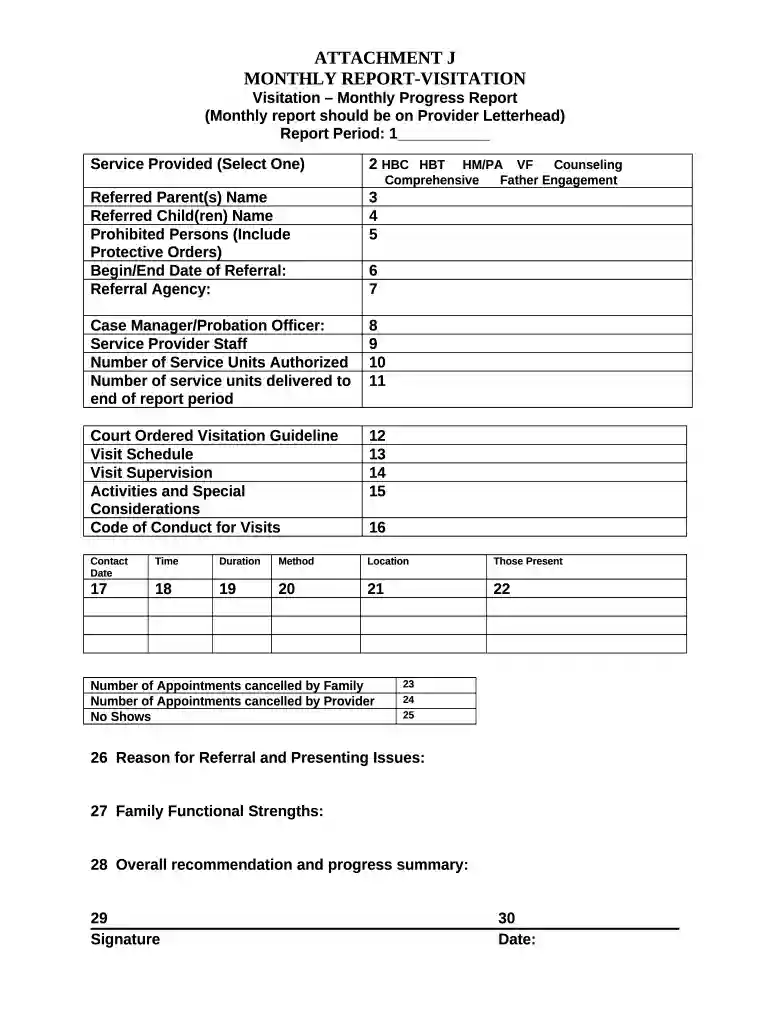
32. Report Period: Indicates the monthly period of time in which services were provided per report for example July 1 to July 31, 2020. 33. Number ofRead more
Example: A supervised visitation monitor could say Im sure Jimmy appreciated your positive comment about his math test! Correction is instructing aRead more
For example, report in this item, as a loan to an oil company, a loan made to a nonprofit organization collateralized by an oil production payment;


