Licensee property interest addendum florida 2026

Get Form
licensee property interest addendum florida Preview on Page 1

Here's how it works

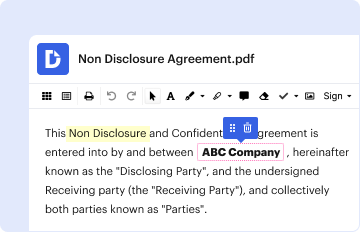
01. Edit your form online
Type text, add images, blackout confidential details, add comments, highlights and more.

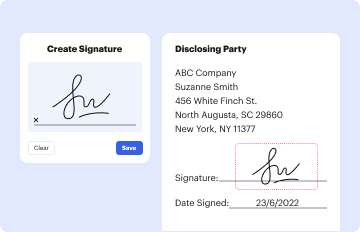
02. Sign it in a few clicks
Draw your signature, type it, upload its image, or use your mobile device as a signature pad.
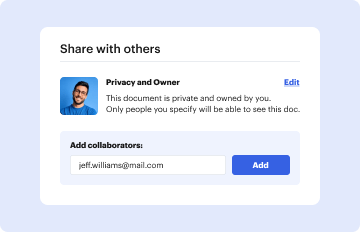
03. Share your form with others
Send it via email, link, or fax. You can also download it, export it or print it out.

Definition and Meaning

The "Licensee Property Interest Addendum Florida" is a legal document used within real estate transactions in Florida. This addendum serves to disclose any personal interest a licensed real estate agent may have in a property transaction. This disclosure is crucial to maintain transparency and protect all parties involved. The document is part of the Comprehensive Rider to the Residential Contract for Sale and Purchase, and it has been approved by Florida Realtors and the Florida Bar.

How to Use the Licensee Property Interest Addendum Florida

To effectively utilize the Licensee Property Interest Addendum in Florida, real estate professionals must follow a specific set of guidelines. The addendum is completed as part of the documentation when a licensed real estate agent is involved in a transaction in which they have a personal interest. This process ensures that all parties are aware of any potential conflicts of interest.

  1. Review the contract: Before using the addendum, review the main contract to understand the transaction's terms.
  2. Complete the addendum: Provide accurate information regarding the agent's interest in the property.
  3. Obtain signatures: Ensure that all relevant parties, including the buyer, seller, and the agent, sign the addendum.
  4. Attach to contract: Once completed, attach the addendum to the main real estate contract.

Steps to Complete the Licensee Property Interest Addendum Florida

Completing the Licensee Property Interest Addendum requires attention to detail and accuracy. Follow these steps to ensure the addendum is correctly filled:

  1. Identify the parties involved: Clearly list all parties involved in the transaction, including the buyer, seller, and the real estate agent.
  2. Declare the interest: Specify the nature of the licensee's interest in the property. This may include ownership or financial interest.
  3. Provide property details: Include the property address and other relevant details that uniquely identify the property.
  4. Signatures and date: Obtain signatures from the buyer, seller, and real estate agent, along with the date of signing.
  5. Attach to the contract: Ensure that the completed addendum is attached to the primary real estate contract for sale and purchase.

Why You Should Use the Licensee Property Interest Addendum Florida

Utilizing the Licensee Property Interest Addendum provides several benefits:

  • Transparency: It ensures that all parties are informed of any personal interests that may affect the transaction.
  • Legal compliance: The addendum helps in adhering to the regulations set by Florida Realtors and the Florida Bar.
  • Conflict prevention: By disclosing potential conflicts of interest, the addendum helps prevent disputes later in the transaction.

Key Elements of the Licensee Property Interest Addendum Florida

Several key elements are crucial to the addendum:

  • Parties Involved: Clearly define the buyer, seller, and licensed real estate agent.
  • Property Identification: Detailed information about the property in question.
  • Interest Declaration: A clear statement of any personal interest held by the agent.
  • Signatures: Required signatures from all parties to legitimize the document.

Legal Use of the Licensee Property Interest Addendum Florida

The legal framework surrounding the Licensee Property Interest Addendum in Florida ensures that:

  • Disclosure requirements: Comply with mandatory disclosure requirements for real estate transactions.
  • Legal standing: The addendum holds legal standing as part of the contract, helping to uphold ethical standards within the industry.
  • Regulatory alignment: It aligns with guidelines set forth by Florida's real estate authorities.

State-Specific Rules for the Licensee Property Interest Addendum Florida

Florida has specific rules governing the use of this addendum:

  • Mandatory use: It is mandatory for use in transactions where an agent holds a personal interest.
  • Approval by authorities: The form's format and content are approved by both Florida Realtors and the Florida Bar.

Examples of Using the Licensee Property Interest Addendum Florida

In practice, the addendum might be used in the following scenarios:

  • Agent as the seller: When a real estate agent is selling their own property and represents the transaction.
  • Agent as a co-owner: If the agent co-owns the property but does not live there, the addendum would disclose this interest.
  • Agent with financial gain expectations: If an agent expects to gain financially beyond their commission, this must be disclosed.
be ready to get more

Complete this form in 5 minutes or less

Get form

Got questions?

We have answers to the most popular questions from our customers. If you can't find an answer to your question, please contact us.
Contact us
REALTORS must disclose their true position to prospective buyers when listing a property that they have any ownership interest in. In presenting offers for themselves, an immediate family member or any entity in which they have ownership, REALTORS must also comply with this requirement.
While a sellers property disclosure form is not required under Florida law, Florida law does require sellers and their realtors to disclose any docHub property defects that may not be easily visible to the buyer. Buyers still have the responsibility to have the property inspected.
Explanation: A licensee must disclose all material adverse facts to all parties in a transaction but a licensee only has to disclose material facts to clients. Material adverse facts are all the important and negative facts. Material facts are important facts but can be positive.
What must licensees do if they have an ownership interest in the property that is subject to the transaction? Disclose the interest in writing to all parties to the transaction.
Typically, this disclosure must be made when they make their first substantive contact, but must certainly be made before either party signs an offer for a purchase. The disclosure must be given whether the licensee represents the buyer, the seller, both parties, or neither party.

Security and compliance

At DocHub, your data security is our priority. We follow HIPAA, SOC2, GDPR, and other standards, so you can work on your documents with confidence.

Learn more
ccpa2
pci-dss
gdpr-compliance
hipaa
soc-compliance
be ready to get more

Complete this form in 5 minutes or less

Get form

People also ask

Its just a simple disclosure that is required by state licensing agencies. In California, we are licensed by the department of consumer affairs and it is part of a set of rules to protect consumers.
Almost every state has laws that require agents to disclose their role and relationship to the property if they are planning to purchase it for themselves.

Related links