







Definition and Meaning of Sample Letter of Medical Necessity for Hoyer Lift
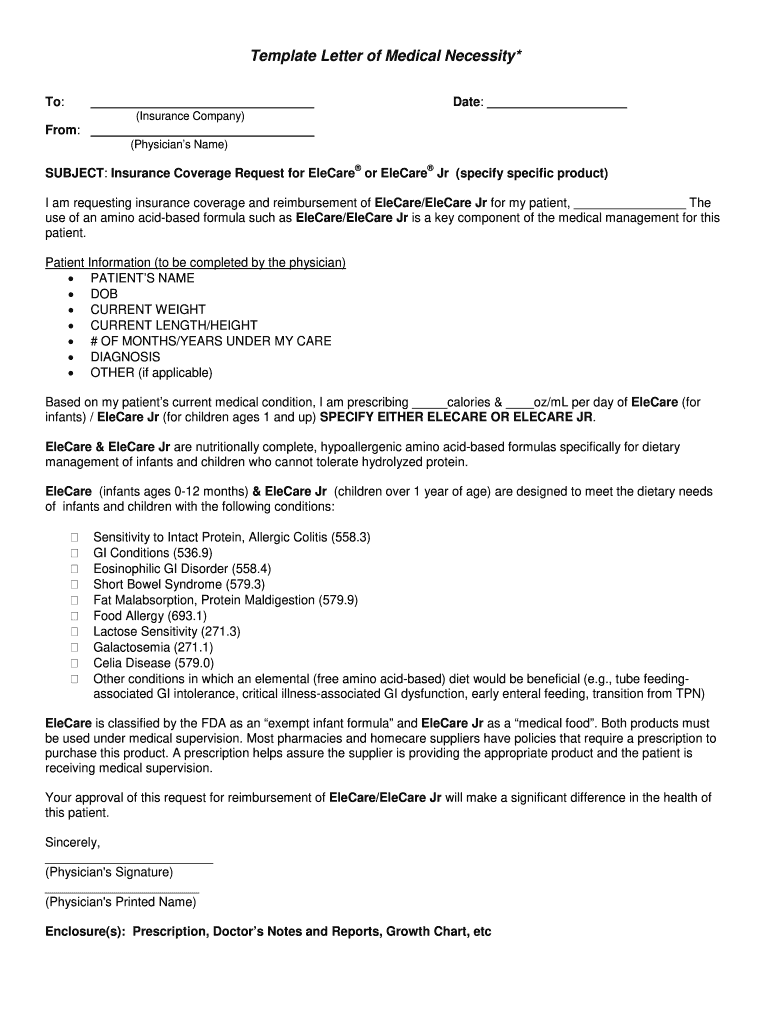
A sample letter of medical necessity for a Hoyer lift is a formal document authored by a healthcare provider. It serves as a request to insurance companies, articulating the clinical necessity of the equipment for a patient. The letter outlines specific medical conditions that require the use of a Hoyer lift, providing justification for its coverage.
In this context, the Hoyer lift is essential for transferring patients with limited mobility safely, helping caregivers prevent injuries associated with manual lifting. Medical necessity is determined through the lens of whether the lift improves patient care, promotes independence, and reduces potential health risks. The letter typically includes patient details, diagnoses, and a rationale for recommending the Hoyer lift over other options, ensuring that the insurance provider understands its critical role in the patient's daily life.
Key Components of the Letter
- Patient Information: Includes the patient's name, date of birth, and insurance details.
- Medical Diagnosis: A description of the patient's condition justifying the need for a Hoyer lift.
- Treatment Justification: A detailed explanation of how the lift will benefit the patient's health and well-being.
- Prescribing Physician Information: Contact details of the healthcare provider authoring the letter, ensuring they can be reached for follow-up.
How to Use the Sample Letter of Medical Necessity for Hoyer Lift
Utilizing the sample letter effectively involves several steps that ensure all necessary details are accurately conveyed to the insurance provider.
-
Personalize the Letter: Begin by inputting specific patient information, including their medical history and current treatment plan. This customization emphasizes the unique needs of the patient.
-
Include Detailed Medical Justifications: Use precise language to describe why a Hoyer lift is essential for the patient's health. Provide evidence from clinical guidelines or studies where applicable.
-
Attach Supporting Documentation: Pair the letter with medical records, treatment summaries, and other relevant documentation to provide comprehensive evidence of need.
-
Review for Accuracy: Double-check the letter for any errors or omissions. Ensuring accuracy is critical in preventing delays in processing and approval.
-
Submit: Follow the insurance provider's submission guidelines, whether claiming online, via mail, or submitting in person.
Importance of Personalization
Personalization of the sample letter is crucial. Insurers may be more likely to approve claims that clearly articulate the tangible benefits to the patient's health and safety, thus reinforcing the medical necessity of the Hoyer lift.
Steps to Complete the Sample Letter of Medical Necessity for Hoyer Lift
Completing the sample letter requires following a structured approach:
-
Gather Patient Information: Compile relevant patient details, including their full name, date of birth, and insurance policy number.
-
Document Medical History: Outline the patient’s medical conditions and past treatments related to mobility impairments.
-
Draft the Justification Section: Clearly define how the Hoyer lift will assist in the patient’s healthcare routine. This might include references to observed challenges in mobility and the necessity for safe transfer methods.
-
Include a Prescription: If applicable, include a physician’s prescription for the Hoyer lift. This implies formal recognition of the necessity by a medical professional.
-
Finalize and Sign: Ensure that the physician signs and dates the letter. It is often required for the letter to have a personal touch from the healthcare provider.
Example of Justifications
- If the patient suffers from significant muscle weakness due to a known condition such as muscular dystrophy, the letter should explain how the Hoyer lift will facilitate safer transfers and enhance independence in daily activities.
Important Terms Related to Sample Letter of Medical Necessity for Hoyer Lift
Familiarizing oneself with key terms related to the sample letter of medical necessity can enhance understanding and effectiveness:
-
Medical Necessity: A legal term indicating whether the requested service is appropriate and needed for the patient's condition.
-
Durable Medical Equipment (DME): Refers to medical devices like Hoyer lifts that provide therapeutic benefits to patients suffering from medical conditions.
-
Prior Authorization: A requirement from insurers before they agree to cover a service, typically involving a detailed review of the necessity.
-
Codification: Refers to the use of medical codes in the letter that outlines the patient’s diagnoses, procedures, and justifications.
Understanding these terms assists in properly preparing the letter and navigating interactions with insurance providers.
Legal Use of Sample Letter of Medical Necessity for Hoyer Lift
The legal framework surrounding letters of medical necessity is pivotal. Healthcare providers must adhere to specific laws and regulations regarding patient privacy and truthful representation of medical needs.
-
Compliance with HIPAA: The Health Insurance Portability and Accountability Act mandates that patient information must be handled sensitively and confidentially.
-
Accuracy in Representation: Misrepresentation of a patient's medical needs can result in legal repercussions, including potential fraud charges against the provider.
-
State-Specific Regulations: Different states may have additional laws governing medical necessity and healthcare documentation practices.
Understanding these legal aspects is crucial for healthcare providers and can significantly influence the legitimacy and success rate of submitted letters.
Key Elements of the Sample Letter of Medical Necessity for Hoyer Lift
The structure of the letter should encompass several key elements that strengthen the case for insurance approval:
-
Date and Recipient Address: Clearly write the date at the top, along with the name and address of the insurance company.
-
Introduction: A brief opening statement indicating the purpose of the letter.
-
Detailed Patient Information: Provision of accurate medical records, including diagnosis codes, can lend further credibility.
-
Clinical Justification: Ground the justification in clinical evidence and data to advocate for the necessity of the Hoyer lift.
-
Call to Action: A polite request for the insurance provider to consider the claim for approval.
Example of Structure
-
Header
- Date
- Insurance Company Name and Address
-
Introduction
- State the purpose of the letter succinctly.
-
Patient and Medical Information
- Relevant identifiers and condition details.
-
Clinical Rationale
- In-depth analysis of why the Hoyer lift is essential.
-
Conclusion
- Thank the provider service for their consideration and express openness for further communication.
By adhering to this structure, providers can create a compelling case for coverage that clearly articulates patient needs.




