







Definition & Meaning of Unemployment Insurance Benefits
Unemployment insurance benefits provide financial assistance to eligible employees who have lost their jobs due to circumstances beyond their control, such as layoffs or business closures. These benefits are intended to support individuals while they search for new employment. Funded primarily through employer taxes, unemployment insurance varies by state in terms of the amount and duration of benefits offered. The program not only offers monetary support but also promotes economic stability and workforce re-integration.
Key Features of Unemployment Insurance
- Temporary Financial Support: Offers monetary relief to assist with day-to-day expenses during unemployment.
- Eligibility Requirements: Generally based on the individual's previous wages, employment status, and the reason for unemployment.
- State-Specific Administration: Each state administers its own program with guidance from federal law.
Eligibility Criteria
Eligibility for unemployment insurance benefits is determined by several factors, which may differ from one state to another. Primarily, individuals must have lost their jobs through no fault of their own, meet specific wage and work history requirements, and be actively seeking employment.


Common Eligibility Requirements
- Involuntary Unemployment: Employment must have been terminated due to layoffs, workforce reductions, or other similar reasons.
- Minimum Earnings or Work: Applicants must meet state-established earnings or work-hour thresholds during a base period.
- Availability for Work: Applicants must be able, available, and actively looking for work during the period they receive benefits.
State-Specific Rules for Unemployment Insurance Benefits
State-specific rules determine the precise structure and operation of unemployment insurance benefits. While federal law mandates some guidelines, states possess considerable flexibility in their regulations, resulting in differences across the nation in terms of benefit amounts, duration, and eligibility criteria.
Variations Across States
- Benefit Amount and Duration: Varies significantly by state, influenced by factors such as work history and previous earnings.
- Application Procedures: Different documentation and procedures may be required based on the state's requirements.
- Additional Programs: Some states offer extended benefits programs or supplementary assistance during periods of high unemployment.
How to Obtain Unemployment Insurance Benefits
Obtaining unemployment insurance involves a systematic process that requires applicants to fulfill several steps. This typically includes filing a claim, providing necessary documentation, and maintaining eligibility through active job search activities.
Steps to Apply
- Initial Claim Filing: Submit a claim through the state's department of labor or equivalent agency, often available online.
- Documentation Submission: Provide relevant documents including prior employment details, compensation history, and identification.
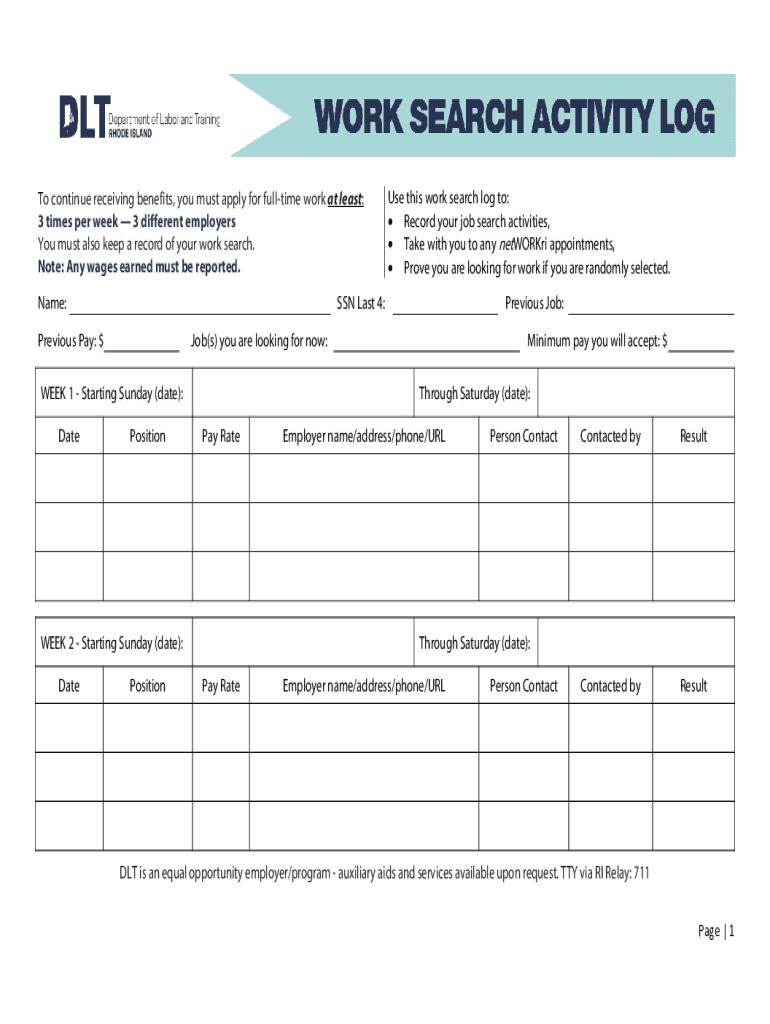
- Job Search Requirement: Maintain a record of job search activities, with possible verification by the state agency.
Key Elements of the Application Process
The application process for unemployment insurance benefits demands careful attention to detail and compliance with state-specific regulations. Applicants must provide accurate information and follow prescribed protocols to avoid delays.
Critical Components
- Documentation: Ensuring all required documents are submitted accurately and on time.
- Continued Eligibility: Regularly reporting job search activities and notifying the agency of any changes in employment status.
- State Guidance: Utilizing state online portals or support lines for assistance during the application process.
Legal Use of Unemployment Insurance Benefits
The legal framework surrounding unemployment insurance benefits emphasizes adherence to state and federal laws. These regulations ensure the integrity of the unemployment system and prevent misuse.
Compliance and Regulations
- Fraud Prevention: Intentional provision of false information or failure to report income is illegal.
- Reporting Requirements: Beneficiaries must report any earnings or changes in employment status promptly.
- Penalties for Non-Compliance: Violations can result in fines, repayment of benefits, or criminal charges.
Important Terms Related to Unemployment Insurance
Understanding the terminology associated with unemployment insurance is crucial for navigating the process efficiently.
Common Terms
- Base Period: The time frame used to determine an applicant's eligibility based on past earnings.
- Benefit Year: The 12-month period following the initial claim through which benefits may be claimed.
- Monetary Determination: The calculation made by the state agency regarding the weekly benefit amount and duration.
Steps to Complete the Unemployment Insurance Benefits Form
Completing the unemployment insurance benefits form involves a methodical approach to ensure accuracy and compliance. Applicants should carefully follow each step and verify all information before submission.
Comprehensive Completion Steps
- Filling Out Personal Information: Carefully enter all personal data such as name, address, and social security number.
- Employment History Documentation: Provide detailed information about previous employment, including employer details and earnings.
- Job Search Log Maintenance: Track and document all job search efforts, often required during the benefits period.
Adhering to these guidelines will help facilitate a smoother process when applying for and receiving unemployment insurance benefits.


