







Definition and Meaning
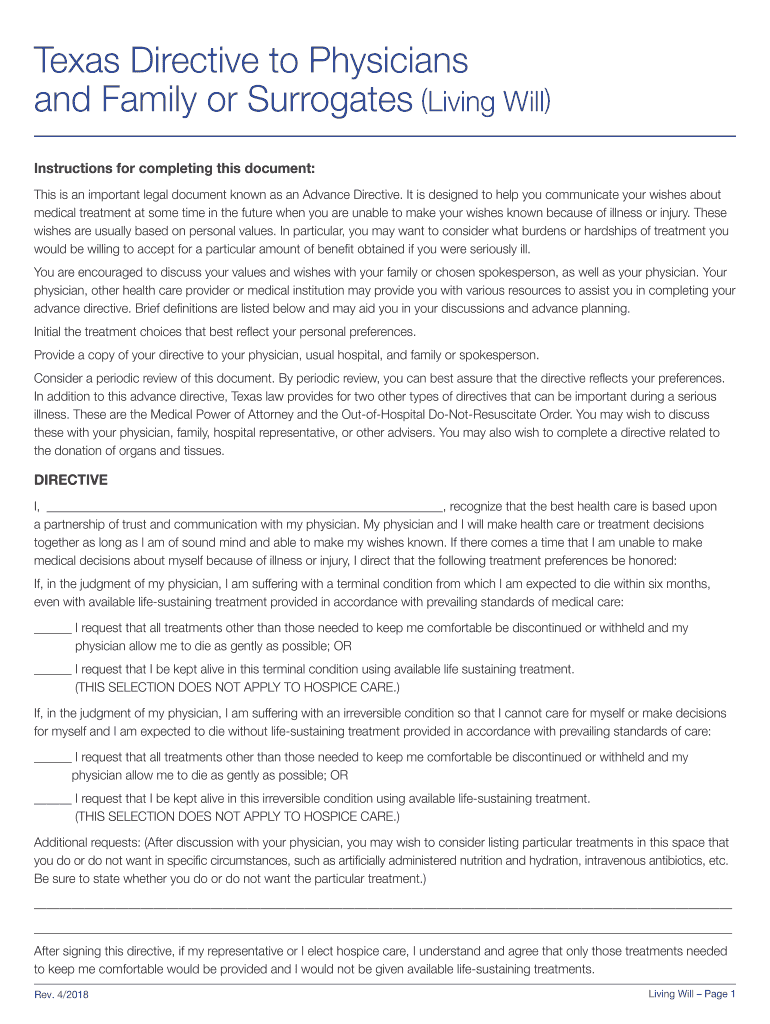
Advance Care Planning at Baylor Scott & White Health is a process that involves discussing and documenting your healthcare preferences for future medical treatment. This planning ensures that your healthcare wishes are known and respected in situations where you might be unable to communicate due to illness or incapacitation. The process includes outlining treatment preferences, such as life-sustaining measures, and identifying a healthcare proxy to make decisions on your behalf if necessary. By formalizing these directives, individuals can have peace of mind knowing that their healthcare decisions will align with their values and desires.
How to Use the Advance Care Planning Form
Using the Advance Care Planning - Baylor Scott & White Health form involves a thoughtful process of documenting your healthcare preferences. Start by reviewing the form's instructions to understand the sections that need completion. Next, discuss your treatment preferences with close family members or healthcare providers, ensuring they understand your wishes. Fill out the form with specific details about the types of medical interventions you would want or decline, such as resuscitation efforts or mechanical ventilation. Ensure that all required sections are complete and include accurate contact information for chosen healthcare proxies. Finally, keep a copy of the completed form in your records and provide copies to relevant family members and healthcare providers.
How to Obtain the Advance Care Planning Form
Acquiring the Advance Care Planning - Baylor Scott & White Health form can be done through several channels. Individuals can visit a Baylor Scott & White Health facility, where healthcare staff can provide the physical document. The form may also be available for download from the Baylor Scott & White Health website, allowing for easy printing at home. Additionally, contacting patient services at Baylor Scott & White Health can facilitate receiving the form via mail. When obtaining the form, ensure that you receive all accompanying instructions needed for accurate completion.
Steps to Complete the Advance Care Planning Form
- Review the Form: Begin by scanning the entire form to familiarize yourself with the sections and required information.
- Discuss Preferences: Have conversations with family members and your healthcare provider about your treatment preferences and healthcare directives.
- Fill Out Personal Information: Complete the sections concerning personal details, including your name, date of birth, and contact information.
- Outline Treatment Preferences: Clearly articulate your preferences regarding specific medical treatments, including end-of-life care decisions.
- Designate a Healthcare Proxy: Choose and document an individual who can make healthcare decisions on your behalf if you are unable to communicate.
- Sign the Form: Ensure your signature is included, preferably with witnesses, if the form requires witnessing.
- Distribute Copies: Provide copies to your designated healthcare proxy, family members, and relevant healthcare providers.
Why You Should Consider Advance Care Planning
Engaging in advance care planning is crucial for ensuring your healthcare wishes are honored during moments when you cannot make decisions for yourself. It relieves family members from making difficult decisions without guidance, avoiding potential conflicts or stress related to urgent medical decisions. By concretizing your preferences in a formal document, you clarify your intentions, such as whether you wish to undergo life-support treatments if faced with a terminal condition. Additionally, it empowers you to take an active role in your healthcare, offering peace of mind that your healthcare journey aligns with your values.
Who Typically Uses the Advance Care Planning Form
The Advance Care Planning - Baylor Scott & White Health form is typically used by adults who wish to document their medical treatment preferences for future healthcare situations. It is particularly relevant for individuals with chronic health conditions, the elderly, or those facing significant medical procedures. Patients seeking to relieve their relatives from the burden of making uninformed healthcare decisions also make use of this form. Ultimately, any adult who desires to ensure their medical wishes are clearly communicated and documented can benefit from utilizing this form.


Important Terms Related to Advance Care Planning
Understanding key terms associated with advance care planning is essential for correctly filling out the form:
- Healthcare Proxy: An individual designated to make healthcare decisions on your behalf.
- Living Will: A document that specifies the treatments you wish to receive or avoid if you become unable to communicate your desires.
- Do Not Resuscitate (DNR): A medical order indicating a patient’s wish to avoid resuscitation efforts in case of cardiac or respiratory failure.
- Palliative Care: Specialized medical care focused on providing relief from symptoms and stress of serious illness.
Legal Use of the Advance Care Planning Form
The completion of an advance care planning form is a legally recognized method of documenting healthcare wishes, ensuring they are honored under the ESIGN Act in the United States. These legal documents serve as evidence of your healthcare intentions and are respected by medical professionals when making treatment decisions. Properly executed forms can prevent legal complications during medical emergencies, providing clear directives to healthcare providers and family members. They also detail the legal authority granted to designated proxies, underscoring their ability to make informed healthcare decisions on your behalf.


