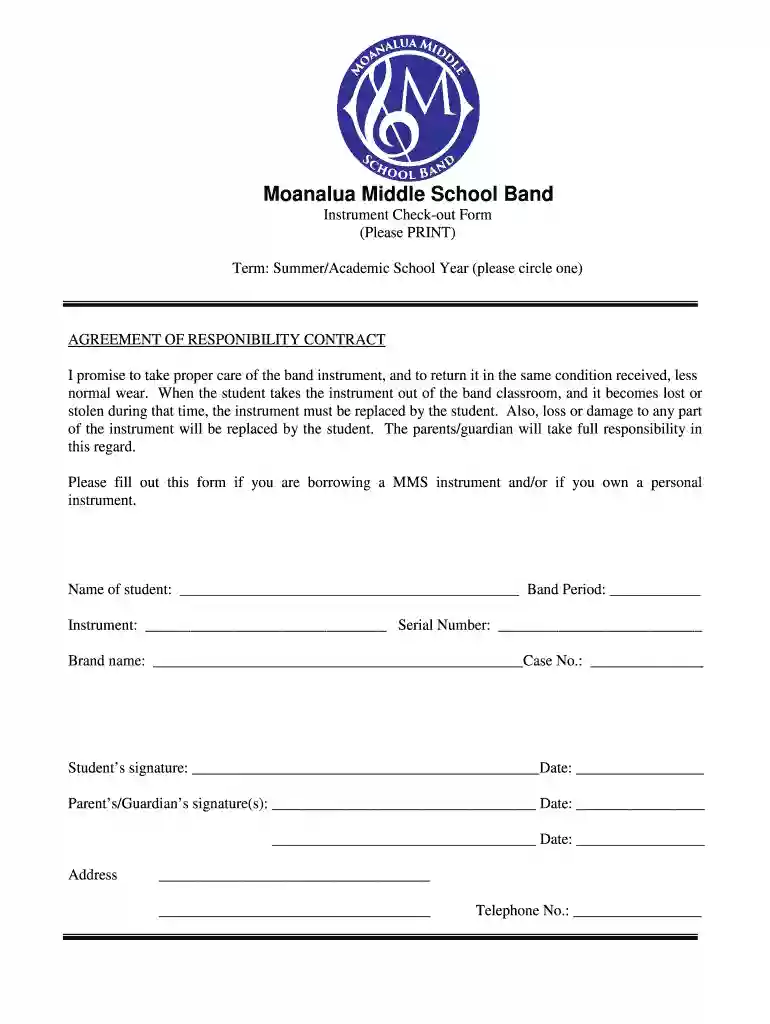
Term: Summer Academic School Year (please circle one) 2026

Get Form
Term: Summer Academic School Year (please circle one) Preview on Page 1

Here's how it works

01. Edit your form online
Type text, add images, blackout confidential details, add comments, highlights and more.

02. Sign it in a few clicks
Draw your signature, type it, upload its image, or use your mobile device as a signature pad.

03. Share your form with others
Send it via email, link, or fax. You can also download it, export it or print it out.

Definition & Meaning

The term "Summer Academic School Year (please circle one)" is primarily used in forms to define or select a specific academic period that an individual is referring to or enrolling in. This choice differentiates between the traditional academic year, usually running from fall to spring, and a summer academic session often comprised of shorter, intensive courses. The phrase serves a functional purpose, clarifying which session the form pertains to, ensuring accurate processing and record-keeping. In many educational institutions, circling one of these options impacts registration dates, tuition schedules, and course availability.

How to Use the Term: Summer Academic School Year (please circle one)

Utilization of this term is straightforward. It appears on academic forms where an individual must specify which session — summer or the regular academic year — they are registering for or referencing. For instance, a student signing up for a program must clearly indicate their preferred term, thus allowing the institution to allocate resources appropriately. When filling out the form:

  • Locate the section where the term is presented.
  • Use a pen or digital tool to distinctly circle "Summer" or "Academic School Year."
  • Ensure clarity, as errors in choice could lead to processing delays or miscommunications regarding enrollment status.

Steps to Complete the Term: Summer Academic School Year (please circle one) Form

  1. Read Instructions Carefully: Before marking your choice, review any accompanying instructions.
  2. Identify the Session Required: Decide whether you are focusing on the summer term or the regular academic school year.
  3. Circle the Appropriate Term: Clearly circle the choice to avoid any ambiguity. Use a consistent marking style if done digitally.
  4. Double-Check Your Selection: Verify that the circled option aligns with your intended academic schedule.
  5. Complete Additional Sections: Ensure any other parts of the form are completed according to the required guidelines.
  6. Submit the Form: Depending on the institution's requirements, submit the form online, via mail, or in person.

Who Typically Uses the Term: Summer Academic School Year (please circle one)

This term is predominantly used by students, educational administrators, and support staff within academic institutions. The context often includes:


  • Students: Both prospective and current students completing registration or scheduling forms.
  • Administrators: Staff members who process registration, track enrollment, and manage academic records.
  • Educational Planners: Individuals responsible for structuring academic schedules, ensuring classroom availability, and aligning faculty resources based on enrollment data.
decoration image ratings of Dochub

Important Terms Related to Summer Academic School Year

Understanding related terminology helps clarify the context in which "Summer Academic School Year (please circle one)" is used:

  • Academic Term: A division of the academic calendar into school terms — often semesters or trimesters.
  • Credit Hours: Units that reflect the amount of study required for a course, often varying between summer and regular terms.
  • Enrollment Status: The full-time or part-time status based on the number of credits or courses taken during the selected term.
  • Tuition and Fees: Financial obligations that may differ between summer sessions and the regular academic year.

Key Elements of the Term: Summer Academic School Year (please circle one)

When engaging with this form segment, several fundamental elements should be kept in mind:

  • Clarity of Choice: The distinction between summer sessions and the traditional academic school year.
  • Impact on Academic Planning: Selecting the appropriate term affects course load, scheduling, and degree progress.
  • Financial Considerations: Tuition may vary, influencing decisions regarding financial aid or scholarship eligibility.
  • Resource Allocation: Institutional resources such as instructors, materials, and classroom availability align with declared terms.

Form Submission Methods

Completing and submitting forms that include the term "Summer Academic School Year (please circle one)" requires following specific submission processes:

  • Online: Many institutions offer electronic submission via their student portal — beneficial for instant processing.
  • Mail: Some forms may require mailing to the registrar or admissions office, including any necessary paper documentation.
  • In-Person: Direct submission to an academic office may be necessary, especially if additional sign-offs or consultations are needed.

Digital vs. Paper Version

Choosing between digital and paper versions of forms containing this term can depend on personal and institutional preferences:

  • Digital Forms: Offer ease of access, quick submission, and can be integrated with institutional databases for faster processing.
  • Paper Forms: Sometimes required for official records, especially when accompanying documents need notarization or physical signatures.
  • Hybrid Options: Many institutions allow starting digitally and completing with a paper signature, especially for secure or sensitive information.

These insights ensure efficient handling of forms featuring the term "Summer Academic School Year (please circle one)," streamlining processes and maintaining accuracy in academic records.

See more Term: Summer Academic School Year (please circle one) versions

We've got more versions of the Term: Summer Academic School Year (please circle one) form. Select the right Term: Summer Academic School Year (please circle one) version from the list and start editing it straight away!
Versions Form popularity Fillable & printable
2017 4.8 Satisfied (50 Votes)
2013 4 Satisfied (50 Votes)
be ready to get more

Complete this form in 5 minutes or less

Get form

Got questions?

We have answers to the most popular questions from our customers. If you can't find an answer to your question, please contact us.
Contact us
An academic year typically includes a fall and spring semester, with a shorter optional summer session. Many also have a short optional winter session or a wheel-rotation schedule year-round. Some operate on a trimester calendar.
Summer schools are short, often residential, academic courses which fully immerse students into the subject of their choice. Combining academic study with exciting day trips and extracurricular activities, they usually take place during the summer break, and within a boarding school, high school, or university setting.
Summer sessions are an important part of the academic calendar. They give students the opportunity to continue their studies during the break between spring and fall semesters. These sessions are shorter but more intense, allowing students to complete a significant amount of coursework in a shorter period of time.
Terms in the US. An academic year typically includes a fall and spring semester, with a shorter optional summer session. Many also have a short optional winter session or a wheel-rotation schedule year-round.
The College Academic Year consists of a Fall semester and a Spring semester. The Academic Year is part of a larger Fiscal Year that runs from July 1 through June 30.

Security and compliance

At DocHub, your data security is our priority. We follow HIPAA, SOC2, GDPR, and other standards, so you can work on your documents with confidence.

Learn more
ccpa2
pci-dss
gdpr-compliance
hipaa
soc-compliance

People also ask

An academic year is one complete school year at the same school, or two complete, half years at different schools. For schools that have a year-round program of instruction, nine months is considered an academic year.
At U.S. colleges, the summer semester is a shorter, generally optional term thats not considered part of a traditional academic year.
An Academic year is comprised of two Teaching Periods, January to June, and July to December. Each Teaching Period includes the main 13-week Study Period (SP) and 10-week Trimesters as well as block and/or intensive study period.

Related links