
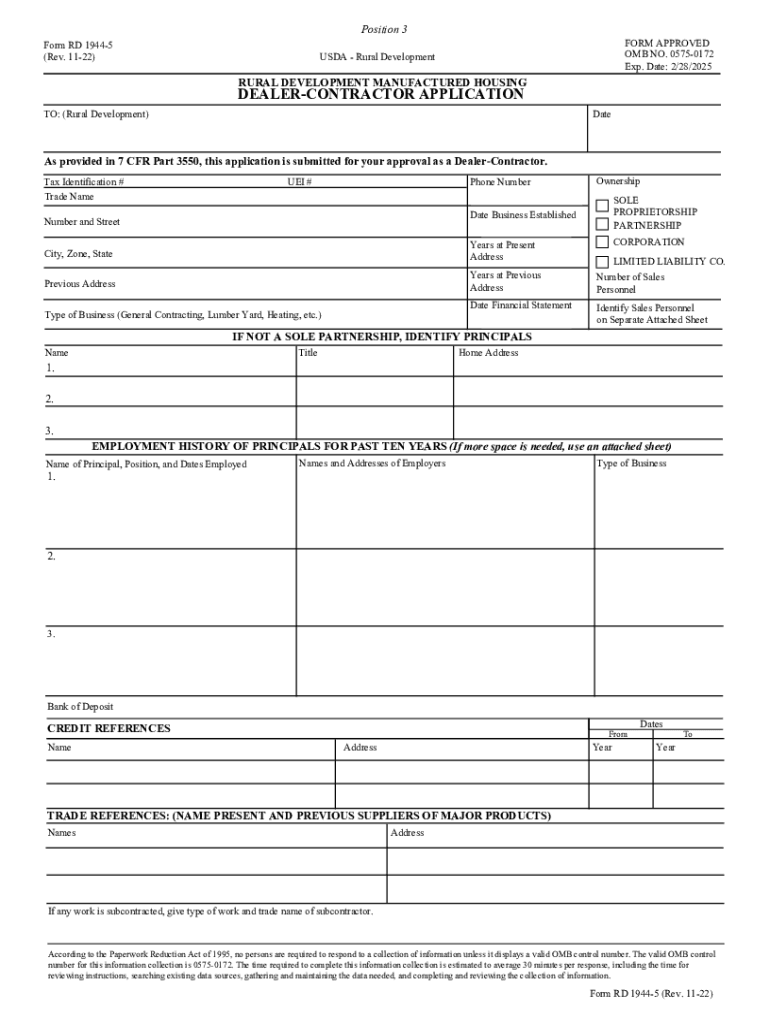







Definition and Meaning
The Budget and Financial Statement form is a crucial document that outlines an individual's or organization’s financial position. It serves as a detailed record of income, expenses, liabilities, and assets, providing a comprehensive overview of financial health. Understanding this form is essential for effective financial planning, as it helps in identifying spending trends and making informed financial decisions.
Steps to Complete the Budget and Financial Statement
- Gather Financial Documents: Collect all relevant financial records, such as pay stubs, bank statements, and bills.
- List Income Sources: Include all sources of income, such as salary, dividends, or rental earnings.
- Document Expenses: Detail monthly expenses, broken down by categories like housing, utilities, and food.
- Calculate Net Income: Subtract total expenses from total income to determine net income.
- List Assets and Liabilities: Identify assets like real estate and vehicles, and liabilities such as loans and credit card debt.
- Finalize and Review: Double-check entries for accuracy and ensure all financial aspects are covered.
Key Elements of the Budget and Financial Statement
- Income Statement: Provides a detailed account of earnings over a specified period.
- Expense Report: Breaks down expenditures, allowing for easy tracking of spending habits.
- Asset Inventory: Lists properties, investments, and other valuable holdings.
- Liability Summary: Catalogs debts and financial obligations that impact net worth.
- Net Worth Calculation: Evaluates overall financial stability by calculating total assets minus total liabilities.
Why You Should Use the Budget and Financial Statement
Developing a Budget and Financial Statement is critical for several reasons. It aids in financial goal setting by outlining current financial standing and potential for growth. This form is essential for preparing for tax filings, securing loans, and improving money management skills. It's an indispensable tool for both personal finance tracking and business financial planning.
Important Terms Related to the Budget and Financial Statement
- Gross Income: Total income before taxes and deductions.
- Net Income: Earnings remaining after all deductions and taxes.
- Fixed Expenses: Regular, recurring costs like rent or mortgage.
- Variable Expenses: Costs that fluctuate month-to-month, such as groceries and entertainment.
- Assets: Resources owned that provide future economic benefits.
- Liabilities: Debts or obligations owed to others.
Who Typically Uses the Budget and Financial Statement
This form is widely used by individuals, families, businesses, and financial advisors. Individuals use it for personal budgeting and tracking expenses, while businesses employ it to assess financial health and plan future investments. Financial advisors often use this statement to provide clients with strategic advice and to configure tailored financial plans.


Examples of Using the Budget and Financial Statement
- Personal Finance: Jane uses this form monthly to monitor her spending habits and save for a vacation.
- Business Planning: A small business reviews its financial statement quarterly to decide on new investments.
- Loan Application: Mark presents his statement to the bank to secure a mortgage for his new home.
State-Specific Rules for the Budget and Financial Statement
While the general format remains consistent, certain states might have additional requirements or variations for budgeting forms, particularly in business contexts. For example, California may require additional compliance details for corporations, while Texas might emphasize transparency in certain asset declarations for non-profits.
Software Compatibility
Software tools like QuickBooks and TurboTax often support Budget and Financial Statement creation. These platforms provide templates and automated calculations, simplifying the process and minimizing the risk of errors. Compatibility with such software enhances efficiency and accuracy, making the financial reporting process more accessible for users.




