





Definition & Meaning
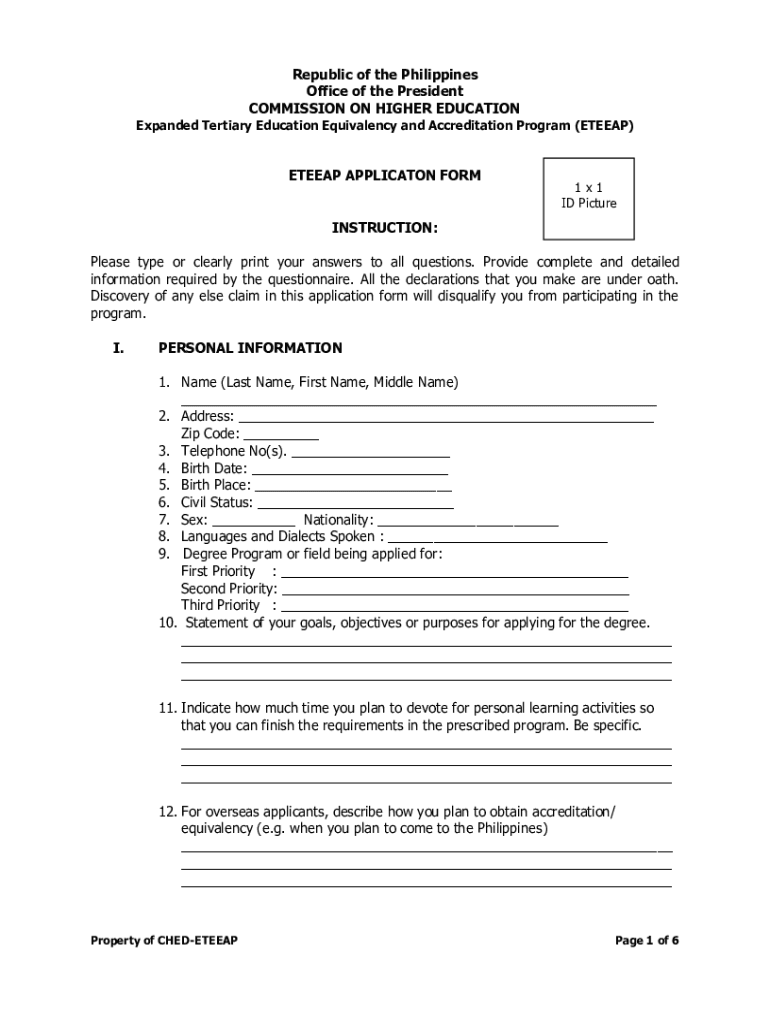
Online forms have transformed the way individuals and businesses gather and process information. They facilitate the completion of necessary documentation electronically, eliminating the need for physical paperwork. Online forms, like those available on platforms such as DocHub, allow for the addition of interactive elements, enabling users to provide, edit, and submit information seamlessly.
Advantages of Online Forms
- Accessibility: Easily accessible from any device with internet connectivity, making it convenient for both the form creator and respondent.
- Efficiency: Reduces the time taken to fill out and process forms by automating data collection and input processes.
- Environmentally Friendly: Minimizes the use of paper, contributing to eco-friendly practices.
How to Use the Form Online
Using an online form is intuitive and straightforward. Platforms like DocHub offer a user-friendly interface that guides users through the process. Here's how to effectively use an online form:
- Access the Form: Open the form from a web browser by entering its specific URL or selecting it from a document management platform.
- Fill in Required Information: Enter data in various interactive fields such as text boxes, checkboxes, or dropdown menus.
- Review & Edit Responses: Before submitting, review all entries to ensure accuracy. Make necessary edits using the form's editing tools.
- Submit the Form: After completing all required fields, click the designated submit button to send the form to the intended recipient.
Steps to Complete the Form Online
Completing an online form involves several steps, with each being crucial for the accuracy and completeness of the information provided.
- Start with the Basics: Begin by entering basic personal information like name, contact details, and identification numbers if required.
- Provide Detailed Responses: Depending on the form's purpose, additional sections may require more detailed data, such as educational background or employment history.
- Use of Required Fields: Ensure all mandatory fields are filled; incomplete forms may be rejected or returned for further information.
- Attach Supporting Documents: Some forms might require the attachment of supplementary documents; this can typically be done by uploading files directly onto the platform.
- Submit and Track: After submission, track the form’s status if the platform offers such functionality, ensuring that the information reaches its destination on time.
Key Elements of the Form Online
Identifying the core components of an online form helps in understanding its structure and requirements. Common elements often found in online forms include:
Interactive Fields
- Text Boxes: For entering short or lengthy text responses.
- Checkboxes and Radio Buttons: Allowing selection of one or multiple options.
- Dropdown Menus: Providing a predefined list of choices for streamlined data entry.
Security Features
- Data Encryption: Ensures that the information entered is securely transmitted and stored.
- User Authentication: Validates the respondent’s identity, often through passwords or verification codes.
Legal Use of the Form Online
When using online forms, it is essential to understand the legal implications and requirements associated with them. Many online forms, especially those involving contracts or legal agreements, must adhere to legal standards to ensure they are enforceable.
Electronic Signatures
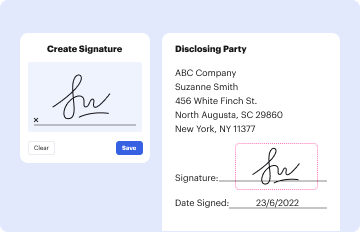
- Legally Binding: Electronic signatures provided through platforms like DocHub comply with laws such as the ESIGN Act, confirming their legality and enforceability.
- Signature Capturing Methods: Users can sign using a mouse, touchpad, or upload a scanned image of their handwritten signature.
Privacy Compliance
- Data Protection Laws: Forms must comply with privacy laws such as GDPR or CCPA, requiring explicit consent for data collection and processing.
State-Specific Rules for the Form Online
The use and application of certain online forms can vary by state due to differing laws and regulations.
Variations Across States
- Tax Forms: Each state may have unique tax laws affecting how tax-related forms are filled and submitted online.
- Business Registration Forms: Require adherence to specific state guidelines regarding business operations and documentation standards.
Ensuring Compliance
- Localized Guidelines: Forms are often accompanied by instructions specific to certain states to ensure compliance with local legal requirements.
Examples of Using the Form Online
Utilizing online forms is common across different sectors. Below are real-world scenarios and examples where online forms are prominently used:
Business and HR
- Job Applications: Prospective employees fill out online application forms to apply for jobs, allowing HR teams to streamline hiring processes.
- Performance Reviews: Businesses use online forms to conduct employee evaluations efficiently.
Education
- Enrollment Forms: Schools and colleges utilize online forms for student enrollments and registrations.
- Feedback Forms: Educational institutions gather feedback from students and faculty using online forms to improve courses and services.
Who Issues the Form
Understanding the origin of an online form helps users know whom to contact for assistance or clarification.
Official Issuing Bodies
- Government Agencies: They issue forms related to taxation, citizenship, and public services.
- Corporations and Organizations: Create forms for internal purposes like policy acknowledgments or customer feedback.
Verification Process
- Ensuring Authenticity: Always verify the issuing authority of a form to avoid scams and misinformation.