Tendance des dpenses publiques et de l'inflation et 2026

Get Form
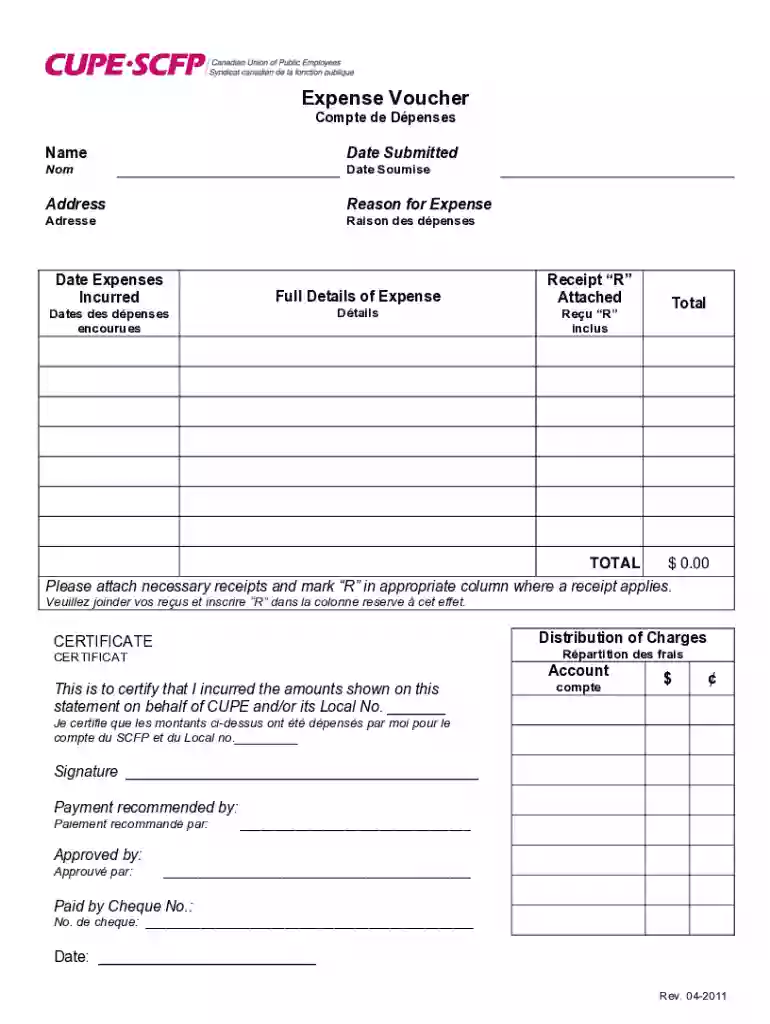
Tendance des dpenses publiques et de l'inflation et Preview on Page 1

Here's how it works

01. Edit your form online
Type text, add images, blackout confidential details, add comments, highlights and more.

02. Sign it in a few clicks
Draw your signature, type it, upload its image, or use your mobile device as a signature pad.

03. Share your form with others
Send it via email, link, or fax. You can also download it, export it or print it out.

Definition and Meaning of Tendance des Dépenses Publiques et de l'Inflation

The "Tendance des Dépenses Publiques et de l'Inflation" translates to "Trends in Public Spending and Inflation.” This concept explores how government expenditure impacts economic stability, inflationary pressures, and overall fiscal policy. It involves the government's budgeting and financial decision-making processes to manage economic fluctuations, control inflation, and promote growth. Understanding this trend helps in comprehending the economic landscape and forecasting future economic conditions.

Key Elements of the Tendance des Dépenses Publiques et de l'Inflation

Key elements of this form include detailed insights into government spending categories, inflation rates, and their interconnectedness. The form delves into:

  • Spending Categories: Identifying which public sectors receive funding, such as healthcare, defense, and education, and how these allocations influence inflation.
  • Inflation Measures: Quantifying inflation through consumer price indexes and other economic indicators.
  • Economic Impact: Evaluating how spending and inflation affect economic growth, employment levels, and overall economic health.

Steps to Complete the Tendance des Dépenses Publiques et de l'Inflation

  1. Gather Data: Collect information on government spending, inflation rates, and economic indicators.
  2. Analyze Trends: Examine historical data to identify spending patterns and inflation trends.
  3. Apply Economic Theories: Use economic models to assess the impact of spending on inflation.
  4. Document Findings: Provide a comprehensive analysis and summarize insights on the form.

Important Terms Related to Tendance des Dépenses Publiques et de l'Inflation

Understanding this form requires familiarity with several key terms:

  • Fiscal Policy: Government strategies related to spending and tax policies that influence economic conditions.
  • Consumer Price Index (CPI): A measure that examines the weighted average of prices of a basket of consumer goods and services.
  • Monetary Policy: Central bank actions that determine the size and rate of growth of the money supply, which in turn affects interest rates.

How to Obtain the Tendance des Dépenses Publiques et de l'Inflation

This form can typically be accessed through government economic departments or official statistical agencies. Online databases and portals may offer access for research and educational purposes. For the U.S., the Department of Economic Analysis and public archives are reliable sources.

Legal Use of the Tendance des Dépenses Publiques et de l'Inflation

The information gathered from this form is crucial for legal economic planning and policy formulation. It ensures transparency and accountability in fiscal management and assists in legislative oversight and public policy development. Properly filling out and analyzing this form aids compliance with federal economic standards.

Examples of Using the Tendance des Dépenses Publiques et de l'Inflation

Governments use this form to develop budgets, forecast economic conditions, and make informed decisions. For example, during a recession, increased government spending may stimulate the economy, but understanding inflationary trends ensures that such measures do not exacerbate inflation over the long term.

Who Typically Uses the Tendance des Dépenses Publiques et de l'Inflation

Primary users include:

  • Government Economists: To analyze economic health and inform policy decisions.
  • Planning Agencies: For strategic allocation of resources.
  • Academic Researchers: For studies on economic theory and real-world economic trends.
decoration image ratings of Dochub

State-by-State Differences in Tendance des Dépenses Publiques et de l'Inflation

While national trends provide a baseline, individual states may experience varied impacts based on localized spending and inflation. Differences in state economies, such as industry presence or demographic factors, contribute to unique public spending implications and inflation effects.

See more Tendance des dpenses publiques et de l'inflation et versions

We've got more versions of the Tendance des dpenses publiques et de l'inflation et form. Select the right Tendance des dpenses publiques et de l'inflation et version from the list and start editing it straight away!
Versions Form popularity Fillable & printable
2016 4.6 Satisfied (50 Votes)
2012 4.3 Satisfied (26 Votes)
2011 4.8 Satisfied (27 Votes)
2006 4 Satisfied (59 Votes)
be ready to get more

Complete this form in 5 minutes or less

Get form

Got questions?

We have answers to the most popular questions from our customers. If you can't find an answer to your question, please contact us.
Contact us

Of course, you’ll find many different applications for this on the web. Nonetheless, if you need to eSign your Tendance des dpenses publiques et de l'inflation et without installing additional software, DocHub is the best choice you can make. This robust editor works on mobile devices just like on desktops. Open our editor in any internet browser, register or sign in to your account, and start managing your forms.

You can easily edit fill out your Tendance des dpenses publiques et de l'inflation et on any iOS device. Open an internet browser of your liking, go to the DocHub website, authorize or create a new account, add your file for editing, and make your desired adjustments. Our service is mobile-friendly, so utilizing its functions on your phone will be a no-brainer, even on the first try.

Effet de relance (de la dpense publique) : Augmentation de la demande engendre par une augmentation de la dpense publique. Cette augmentation conduit une acclration de la croissance conomique. Effet dviction : Consquence ngative de laugmentation de la dpense publique sur le financement des agents privs.
Une augmentation des dpenses publiques induit bien une hausse de la consommation des mnages contraints financirement mais elle provoque aussi une baisse de celle des mnages non contraints.

Security and compliance

At DocHub, your data security is our priority. We follow HIPAA, SOC2, GDPR, and other standards, so you can work on your documents with confidence.

Learn more
ccpa2
pci-dss
gdpr-compliance
hipaa
soc-compliance

People also ask

Depuis lt 2021, linflation a brusquement augment. Entre juillet 2021 et juillet 2022, elle est passe de 1,5% 6,8%. Dbut 2023, elle atteint mme 7,2%. Nanmoins, la France reste en dessous du niveau de la zone euro (8,5% en fvrier 2023 aprs 9,1% en aot 2022).
Une croissance des dpenses publiques durablement suprieure celle du PIB, en valeur, oblige relever le taux des prlvements obligatoires, au risque de dgrader la comptitivit du pays, pour limiter laggravation du dficit public.
Inflation : causes et consquences augmentation excessive de la masse montaire ; demande suprieure loffre de biens et services disponibles ; hausse des prix des biens et/ou matires premires dimportation ; augmentation des cots de production (salaires vs productivit, matires premires, nergie) ;
Linflation est laugmentation gnrale et durable des prix. Elle est mesure par la variation dun indice qui englobe lensemble des biens et services. Linflation peut tre cause par la demande, par les cots et par la monnaie.
Les vritables profiteurs de linflation sont l tat et les collaborateurs du capitalisme de connivence qui profitent des mesures interventionnistes pour dvelopper des activits sans aucune rentabilit.

Related links