







Definition & Meaning
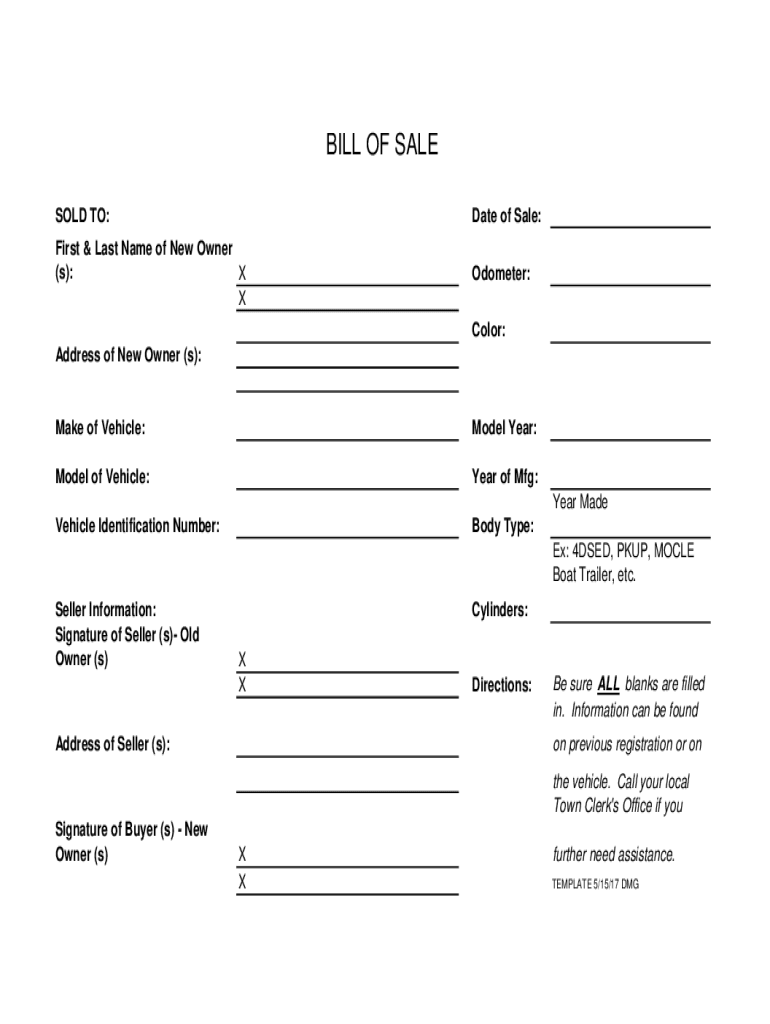
A Bill of Sale is a legal document that serves as proof of a transaction between a seller and a buyer. In the context of vehicle sales, it outlines the transfer of ownership, including details such as the vehicle’s make, model, year, and VIN. This document insures that both parties have a mutual understanding of the terms of sale and possesses a record of the transaction.
Key Elements of a Bill of Sale
A comprehensive Bill of Sale should include certain crucial elements to ensure its validity and usefulness:
- Parties Involved: Clearly state the names and addresses of the seller and buyer.
- Vehicle Description: Include essential details such as the make, model, year, color, and VIN.
- Sale Details: Document the purchase price and the date of sale.
- Condition of the Vehicle: Provide a brief description of the vehicle’s condition at the time of sale.
- Signatures: Both seller and buyer must sign to confirm acceptance of the terms.
Steps to Complete a Bill of Sale
- Identify the Participants: Clearly state the full names and current addresses of both the seller and the buyer.
- Provide Vehicle Identification: Include the make, model, year, and VIN of the car being sold.
- Set the Sale Price: Clearly state the agreed price for the vehicle.
- Note the Sale Date: Record the exact date the transaction occurs.
- Describe the Vehicle Condition: Provide a brief overview of the vehicle's current state.
- Include Warranty Information: Specify if the car is sold "as is" or with a warranty.
- Execute the Document: Both parties must sign, with the date beside their signatures.
- Deliver Copies: Ensure both buyer and seller receive a copy of the completed document.
Legal Use of the Bill of Sale
In the United States, a Bill of Sale functions as legal proof of ownership transfer and is essential during vehicle registration with the Department of Motor Vehicles (DMV). It helps prevent disputes over ownership and assists in legally recording the sale terms. Moreover, it can provide a defense in legal disputes or claims regarding the transaction.
State-Specific Rules for Bill of Sale
Each U.S. state may have unique requirements for a Bill of Sale to be considered valid. For instance:
- Notarization: Some states require that a Bill of Sale be notarized to be legally binding.
- Additional Information: States like California may require additional disclosures such as odometer reading.
To ensure compliance, always check the specific requirements of the state where the vehicle is being registered.
Examples of Using a Bill of Sale
- Private Vehicle Sales: When selling a used vehicle directly to another individual.
- Title Transfers: Required as part of processing title transfers and registrations at the DMV.
- Vehicle Donation: Serves as proof of transfer for tax purposes when donating a car to a charitable organization.
Required Documents
To complete a Bill of Sale effectively, the following documents are generally required:
- Vehicle Title: Ensures the seller has the legal right to sell the vehicle.
- Photo Identification: Identifying documents for both the seller and buyer.
- Proof of Payment: A receipt or payment confirmation to verify transaction completion.
State-by-State Differences
Different states in the U.S. have varying regulations and requirements regarding the creation and validity of a Bill of Sale:
- Title Requirements: Some states may require the Bill of Sale for title transfer, while others may not.
- Odometer Disclosure: Certain states mandate the recording of the vehicle’s odometer reading.
- Emissions Certification: In areas with strict emissions regulations, a certification may be required.
Understanding these differences is crucial to ensure the Bill of Sale is recognized legally in the intended state.
How to Obtain a Bill of Sale Form
You can obtain a Bill of Sale form through various means:
- State DMV Websites: Many states provide downloadable templates that meet local requirements.
- Legal Stationery Stores: Physical copies can be purchased from stores specializing in legal documents.
- Online Platforms: Services like DocHub offer convenient templates with customization options.
Ensure that the form aligns with the specific laws and regulations of your state to avoid potential issues during vehicle registration or title transfer processes.




