







Understanding Dower Rights in Ohio
Dower rights in Ohio refer to the legal rights of a surviving spouse to a portion of their deceased spouse's estate. Specifically, these rights grant a widow or widower a life estate in one-third of the real property owned by the decedent. Understanding these provisions is crucial for couples considering property ownership and estate planning.
Definition and Legal Framework
- Dower Rights: Traditionally, dower rights allow a surviving spouse to claim a life estate in a portion of their deceased spouse’s property.
- Legal Backup: The Dower Act outlines the legal framework governing these rights, emphasizing the importance of consent and due legal process in any actions affecting property ownership.
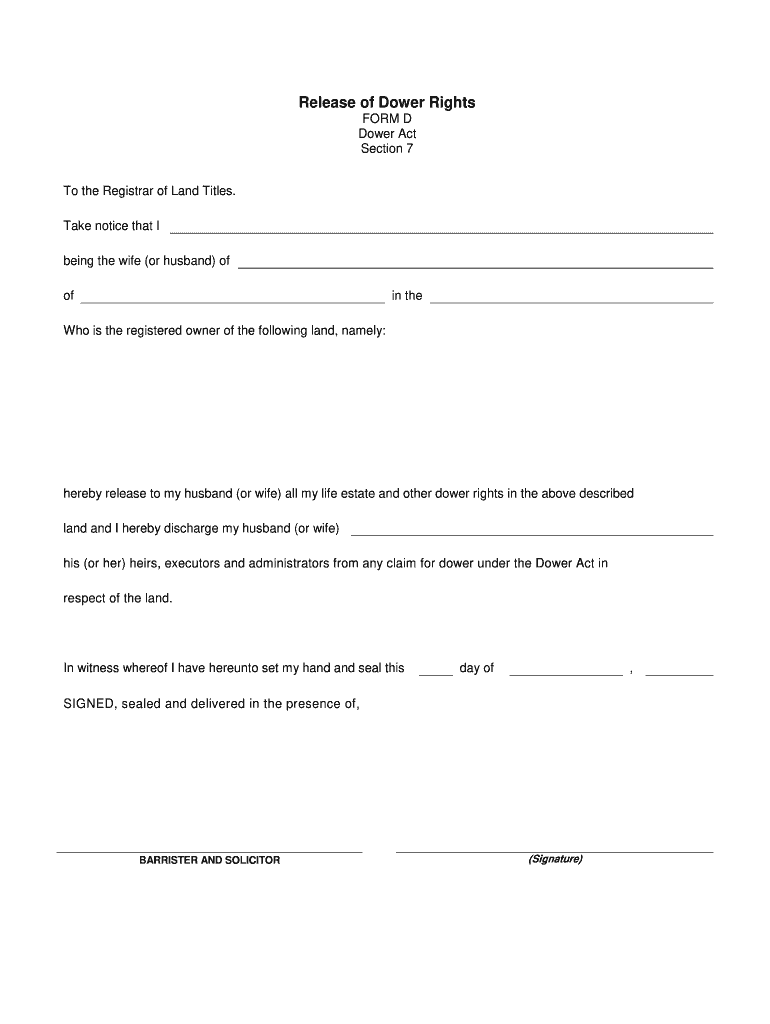
- Voluntary Release: A surviving spouse can voluntarily relinquish their dower rights through a formal release, typically requiring documentation to be recorded with the county.
Process for Releasing Dower Rights
Releasing dower rights involves several legal steps to ensure validity and compliance with Ohio law.
- Prepared Documentation: The release typically requires a signed form indicating that one spouse relinquishes their dower rights. This form can be referred to as a form release dower.
- Accompanied Affidavit: An affidavit may also be required to support the release, detailing the circumstances under which the rights are relinquished.
- Signature Requirements: Both spouses must sign the release form, and a witness or notary public is usually required for the execution to be legally binding.
- Recording the Release: After signing, the document must be recorded with the county recorder's office, ensuring it is enforced against third parties.
Important Considerations
- Legal Advice: Consulting with a legal professional familiar with estate law is advisable to understand the implications of relinquishing dower rights fully.
- Impact on Property Ownership: The release can affect the surviving spouse’s rights concerning selling, transferring, or managing the property in the future.
Importance of Dower Rights in Property Transactions
Dower rights play a significant role in property transactions in Ohio, particularly in determining ownership and potential claims during estate settlements.
- Spousal Agreement: Understanding these rights can aid in negotiating property acquisitions, especially when one spouse plans to sell or refinance an asset.
- Preventing Legal Conflicts: A formal release of dower rights can help prevent potential legal disputes between surviving spouses and heirs after one partner's death.
- Estate Planning Tool: Effectively managing dower rights is an essential component of sound estate planning, ensuring that both spouses' interests are protected and understood.
Common Questions About Dower Rights in Ohio
What Are Dower Rights in Ohio?
Dower rights grant a surviving spouse a life interest in one-third of the deceased spouse's property, ensuring financial security.
How Can One Release Their Dower Rights?
The release process involves completing a form that both spouses sign, often accompanied by a witness, and must be recorded officially to be binding.
Are There Variations in Dower Rights Across States?
Yes, dower rights and the relevant legal frameworks vary significantly by state, and not all states recognize dower rights.
Examples in Practice
- Real Estate Sales: In a scenario where a couple owns property together, if one spouse intends to sell the property, they may need the other spouse to release their dower rights to streamline the sale process.
- Estate Settlements: Following the death of a spouse, releasing dower rights can clarify property interests, especially when dealing with multiple heirs or beneficiaries.
Conclusion
Navigating the complexities of dower rights and their release in Ohio is vital for couples involved in property ownership. Ensuring proper legal documentation and understanding the implications of such rights can facilitate smoother transitions during estate planning and property transactions. Addressing these rights thoughtfully can help avoid future disputes and promote equitable management of marital assets.




