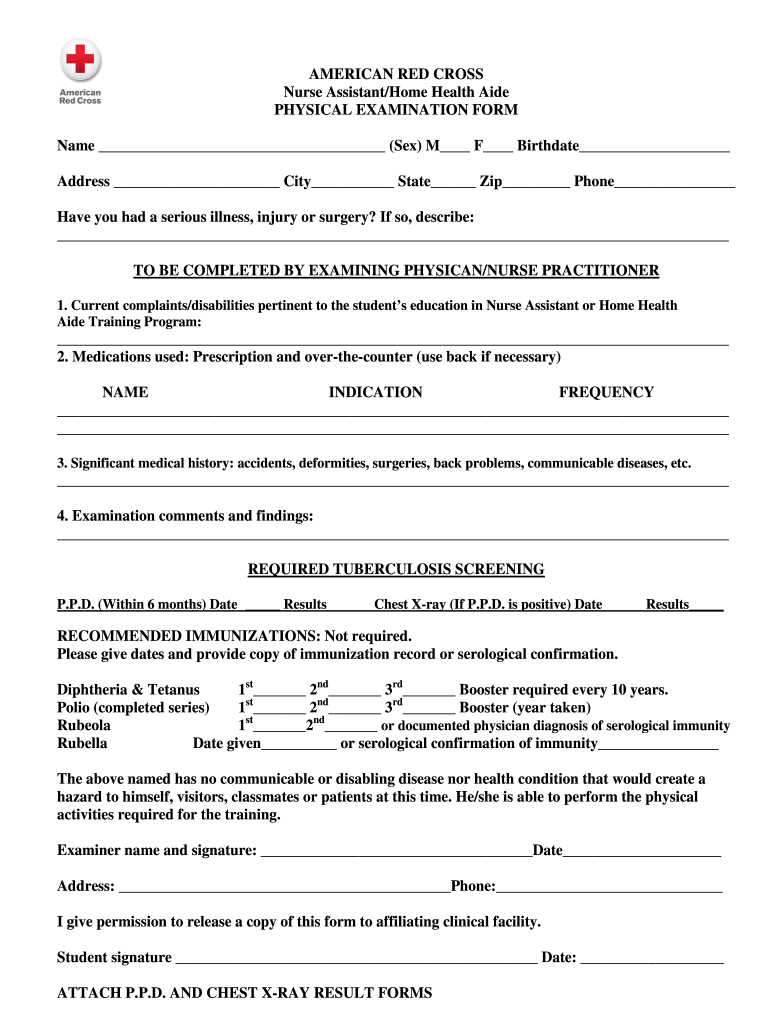







Definition & Meaning of Physical Form for Work
A physical form for work is a document that is often required by employers to verify an individual's health status and fitness to perform specific job-related tasks. These forms, which may be known collectively as pre-employment physical exam forms, are crucial in industries where health and safety are paramount. The data captured on these forms typically includes personal identification, medical history, current health conditions, and results from specific health assessments or screenings. By ensuring that employees meet the necessary health standards, businesses can reduce occupational hazards and maintain a safe working environment.
Key Components of a Physical Form for Work
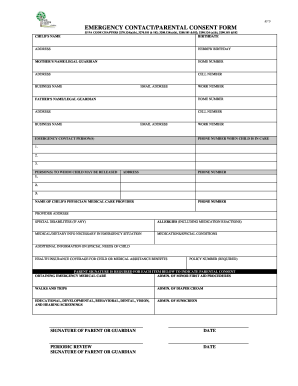
- Personal Information: This includes the individual’s name, date of birth, social security number, and contact information.
- Medical History: Detailed questions about past health issues, surgeries, allergies, and ongoing treatments are common.
- Current Health Status: Data on current medications, recent illnesses, or injuries must be disclosed.
- Physical Examination Results: Typically, a healthcare professional will record findings from a physical examination.
Each component plays a vital role in evaluating whether an applicant is fit for various duties within the workplace, and compliance with certain state and legal guidelines may also be necessary.
How to Use the Physical Form for Work
Using a physical form for work effectively involves several key steps. Initially, the employer should provide the form to potential hires as part of the pre-employment process. Here is an outline of the process:
- Distribution: Hand out the physical form for work to candidates either during the interview phase or as part of the hiring documentation.
- Completion: Candidates must fill out their personal information and medical history section completely. It’s important to answer all questions accurately to avoid delays or issues later.
- Healthcare Provider Review: The candidate will then need to schedule a physical examination with a physician or nurse practitioner. This professional will review the completed form, conduct the necessary evaluations, and document their findings on the form.
- Submission: The fully completed form must be returned to the employer, either in digital format or as a hard copy, as per the employer's requirements.
- Review for Compliance: The employer should ensure that all required sections are completed and assess the patient's fitness for work based on the medical professional’s findings.
By following these steps, both employers and candidates can ensure that the physical form for work is utilized effectively and complies with necessary workplace health regulations.
Steps to Complete the Physical Form for Work
Completing a physical form for work involves a detailed approach to ensure that no relevant information is overlooked. Here are the steps one should follow:
1. Gather Necessary Information
- Essential Documents: Have your ID, health insurance details, and any previous medical records ready for reference.
- Medications List: Compile a list of current medications, including dosage and frequency.
2. Fill Out Personal Information
- Accurately provide your name, address, contact details, and social security number. Mistakes in this section can lead to complications later.
3. Complete Medical History
- Answer all questions honestly. Include previous surgeries, chronic illnesses, and allergies.
4. Undergo Physical Examination
- Schedule an appointment with a physician or nurse practitioner. Bring the completed form to this visit.
- After the examination, the healthcare professional will record their findings directly onto the form.
5. Review Completed Form
- Ensure all sections have been filled out accurately and any necessary signatures are included before submission.
Important Terms Related to Physical Form for Work
Familiarity with specific terminology associated with physical forms for work can improve understanding of the documentation process and its implications:
- Pre-Employment Physical: An examination required before hiring, evaluating the applicant's capability to perform work tasks safely.
- Fitness for Duty: A determination made by a healthcare professional indicating that an individual can perform their job without risk to themselves or others.
- HIPAA Compliance: Refers to legal requirements concerning patient privacy that must be adhered to in handling health information.
- Occupational Safety: The discipline focused on the safety and health of employees in the workplace.
Understanding these terms can facilitate clearer communication among employers, healthcare providers, and potential employees.
Legal Use of the Physical Form for Work
In the United States, the legal use of physical forms for work is governed by various regulations that ensure the document's integrity and compliance with health standards.
Legislation and Compliance
- Americans with Disabilities Act (ADA): Protects individuals from discrimination based on the disclosure of disabilities. This means employers should use physical forms judiciously and only request information pertinent to job performance.
- Fair Labor Standards Act (FLSA): Ensures that any physical capabilities tested cannot divide the workforce unfavorably based on information collected through the physical form.
Employer Responsibilities
- Employers must maintain the confidentiality of the information gathered and ensure it is stored securely. It is essential that only authorized personnel have access to these forms.
- Employers should provide reasonable accommodation based on the results of the physical examination, particularly for candidates with disclosed disabilities.
Overall, understanding the legal intricacies associated with physical forms for work helps protect both the employer's interests and the rights of the employees.