







Understanding CPI Test Answers in 2021
Crisis Prevention Institute (CPI) training focuses on nonviolent crisis intervention strategies for professionals in care-oriented fields. Understanding the specific test answers for the 2021 iteration of the training program provides invaluable insights into the key topics covered during the training and assists participants in grasping both theoretical and practical elements.
Key Concepts and Techniques
CPI training includes a variety of essential concepts that are critical for effective crisis intervention. The following details these core elements:
-
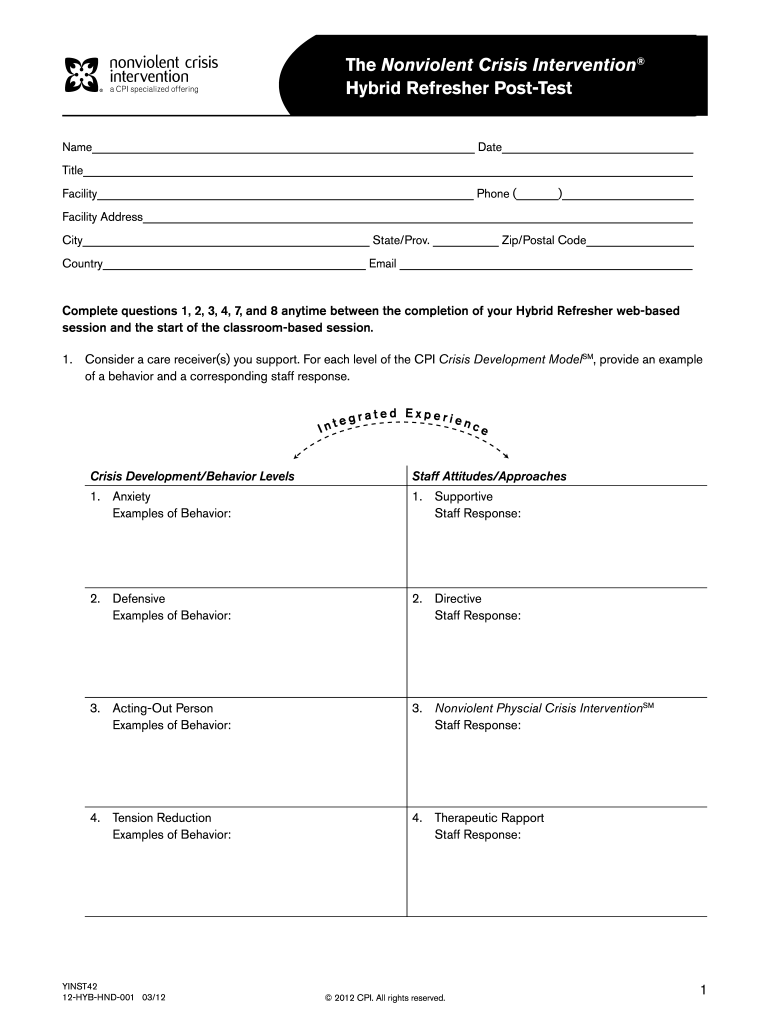
Crisis Development Model: This model outlines the various stages of a crisis and the corresponding strategies to manage each phase. Understanding this model is crucial for participants seeking to de-escalate situations effectively.
-
Nonverbal Communication: Effective body language and facial expressions play a significant role in communication during crises. Participants learn the importance of maintaining a calm demeanor and positive body language to help diffuse tension.
-
Verbal De-escalation Techniques: These techniques focus on using appropriate language and tone to slow down escalating situations. Participants are trained to listen actively and respond with empathy, which can significantly lower anxiety for both parties involved.
Effective Application of Skills
Applying learned skills effectively is what distinguishes a successful intervention from a failed one. Here are the strategies emphasized in the training:
-
Scenario-Based Training: Participants engage in role-playing exercises that mimic real-world scenarios, allowing them to practice their responses to various crisis situations.
-
Collaborative Problem-Solving: This approach encourages participants to work together with individuals in distress to identify solutions collaboratively rather than imposing solutions.
-
Reflective Practice: Reviewing and reflecting on past interventions allows participants to assess their strengths and areas for improvement, enhancing their skills over time.
Essential Compliance and Legal Framework
Understanding the legal implications and compliance requirements surrounding CPI practices is critical for professionals:
-
Legal Aspects of Crisis Intervention: Training emphasizes adherence to legal and ethical standards, helping participants understand their responsibilities and rights when intervening in crisis situations.
-
Documentation and Reporting: Participants are instructed on the proper documentation and reporting procedures for incidents, ensuring compliance with organizational policies and legal mandates.
Specific Scenarios: Real-World Application
Professionals often work in various environments, such as schools, healthcare, and social services. Scenarios are specifically tailored for each context, illustrating how CPI strategies can be adapted based on the setting:
-
School Environments: In schools, staff may encounter students exhibiting signs of distress. Training emphasizes methods faculty can employ to create a supportive environment that mitigates crises.
-
Healthcare Settings: Healthcare professionals often face patients who may react unpredictably due to medical conditions. CPI techniques equip them with tools to manage these situations calmly and effectively.
Comprehensive Overview of Test Structure
Understanding the structure of the CPI test answers in 2021 is equally essential for participants looking to gauge their understanding comprehensively. The test includes several components:
-
Multiple Choice Questions: Participants must choose the correct answer from a list of options, which assesses their understanding of key concepts and techniques.
-
Scenario-Based Questions: Questions simulate real-life situations, requiring participants to apply their knowledge to choose the best course of action.
-
Short Answer Questions: These assess participants’ ability to articulate their understanding of critical concepts and apply them theoretically in interventions.
Understanding these components can help participants prepare effectively for assessments associated with CPI training.
Conclusion on the Importance of CPI Knowledge
Knowledge of CPI test answers from 2021 is critical for those engaged in crisis intervention, providing clarity on effective practices and understanding legally compliant methods. Mastery of these answers ensures that professionals are adequately equipped to manage crises efficiently and compassionately, ultimately leading to better outcomes for those they serve.




