






Understanding the Resolution to Open a Bank Account for Nonprofit Organizations
The resolution to open a bank account for a nonprofit organization serves as a formal document created by the board of directors. This document is essential for authorizing specific individuals, typically designated officers, to manage the financial affairs of the organization. It is a critical piece of paperwork that ensures that the nonprofit has legal standing in its financial operations and outlines clear governance.
Importance of a Board Resolution for Nonprofits
A board resolution is particularly important for nonprofits due to the following reasons:
- Legal Requirement: Most banks require a formal resolution from the nonprofit's board of directors to establish an account. This document confirms that the opening of the account was discussed and approved at a legitimate board meeting.
- Authority Assignment: It designates specific persons (like the Treasurer or Executive Director) who have the authority to sign checks and manage transactions. This helps in maintaining financial accountability.
- Financial Transparency: A resolution creates a record that can be referenced during audits, showcasing that financial decisions were made in a structured and documented manner.
Key Components of a Nonprofit Banking Resolution
Creating a primary resolution to open a bank account involves several key components, which include:
- Organization Details: Full name of the nonprofit, its registered address, and tax identification number.
- Purpose of Resolution: A statement indicating that the resolution is to authorize the opening of a bank account, specifying the type (checking, savings) and the institution where the account will be held.
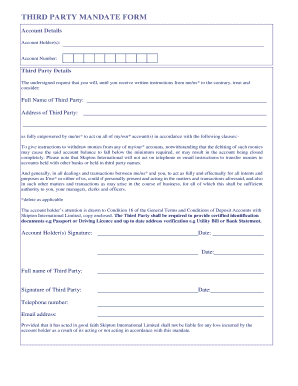
- Authorized Signers: Names and positions of individuals authorized to handle the bank account, including who can sign checks and make transactions.
- Meeting Affidavit: A section confirming that the resolution was discussed and passed during a board meeting, including the date and any relevant resolutions made.
- Signature of the Secretary: The document should be signed by the board secretary to certify its authenticity.
Sample Structure of a Resolution Letter for Nonprofit Banking
A typical resolution letter might follow this structure:
- Header Section: Name of the nonprofit, date of the meeting, and title of the document.
- Body Section: Detailed statement of the resolution followed by the list of authorized signers with their respective positions.
- Footer Section: Any additional notes or statements, and the secretary's signature confirming the resolution’s validity.
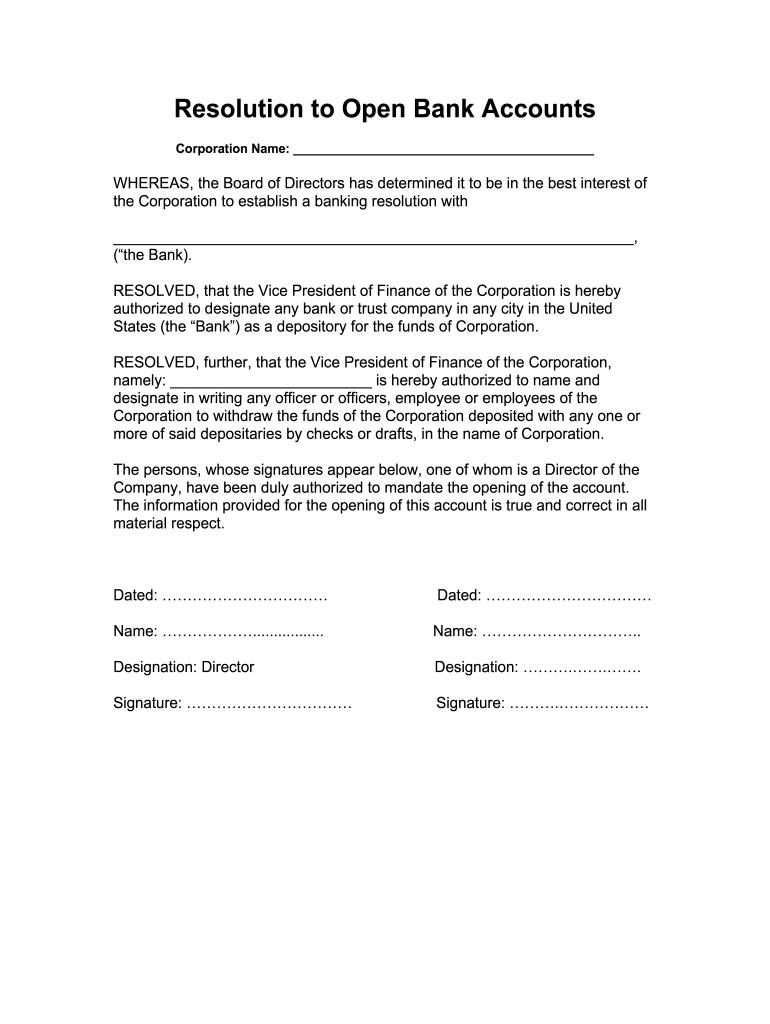
Here is an example of how such a resolution might be structured:
[Nonprofit Name] [Nonprofit Address] [Date]
RESOLUTION TO OPEN BANK ACCOUNT
Whereas, it is in the best interests of [Nonprofit Name] to open a bank account with [Bank Name], and Whereas, the Board of Directors has determined to authorize the following individuals to transact on behalf of the organization.
Resolved, that [Name of Treasurer] and [Name of Executive Director] are hereby authorized to open and manage the bank account for [Nonprofit Name].
Dated: [Date]
[Signature of Secretary]
Steps for Preparing a Resolution Document
To prepare a resolution document effectively, follow these steps:
- Schedule a Board Meeting: Ensure that the meeting complies with your nonprofit's bylaws regarding notice and quorum requirements.
- Draft the Resolution: Write a resolution based on the structure outlined, ensuring clarity and comprehensiveness.
- Present the Resolution: During the meeting, present the resolution for discussion, and allow time for any questions or amendments.
- Vote on the Resolution: Conduct a formal vote. Record the results in the meeting minutes to provide a documented account of the board's decision.
- Finalize the Document: After passing, ensure the secretary signs the resolution, and retain copies for your records and for the bank.
Useful Tips for Documenting Nonprofit Resolutions
- Clarity and Precision: Ensure that all descriptions are clear to avoid confusion in future banking transactions.
- Compliance and Updates: Regularly review and update your resolution as necessary, particularly when there are changes in board members or banking practices.
- Record Keeping: Maintain a dedicated file for all resolutions and banking documents to ensure they are easily accessible during audits or inspections.
By thoroughly understanding and applying these components and steps, nonprofit organizations can effectively establish bank accounts that support their financial activities while complying with legal requirements.