



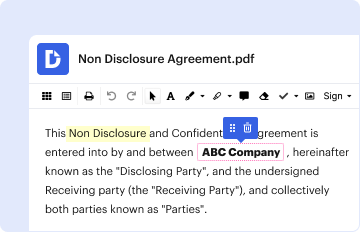
01. Edit your contrato de renta de casa online
Type text, add images, blackout confidential details, add comments, highlights and more.

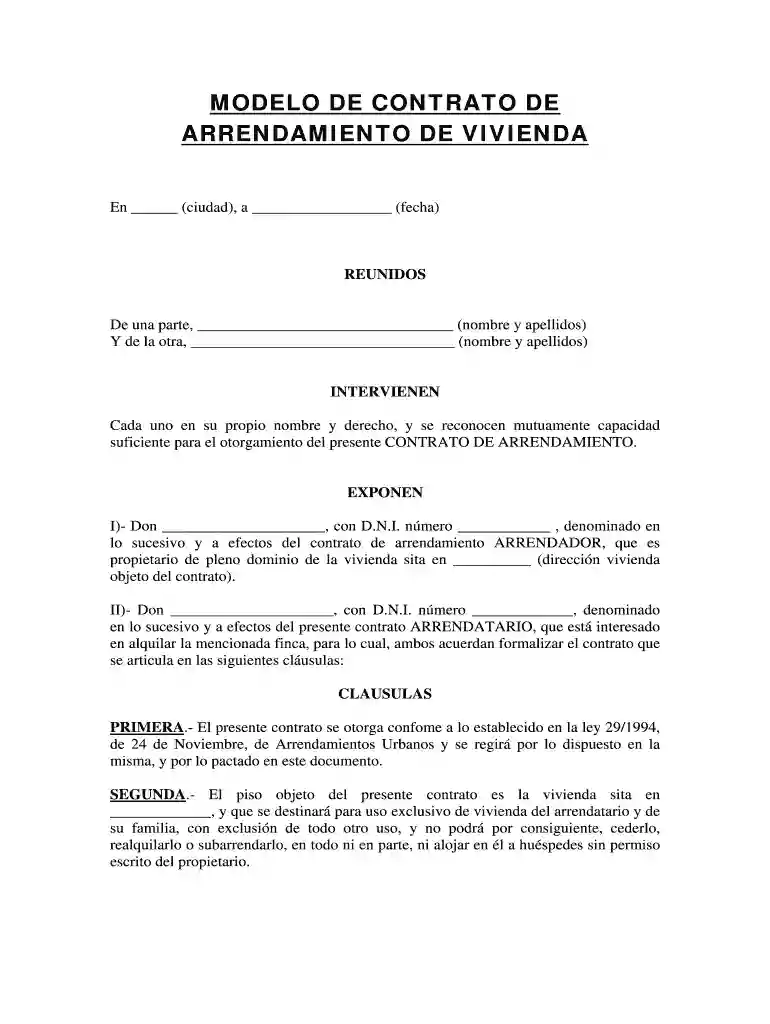
Type text, add images, blackout confidential details, add comments, highlights and more.
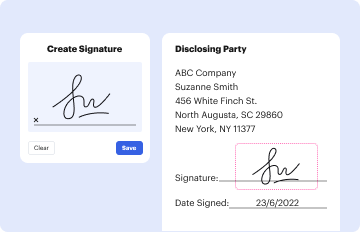
Draw your signature, type it, upload its image, or use your mobile device as a signature pad.

Send modelo contrato vivienda via email, link, or fax. You can also download it, export it or print it out.
The contrato arrendamiento, or rental agreement, is a vital legal document that defines the relationship between a landlord (arrendador) and a tenant (arrendatario). This agreement outlines the rights and responsibilities of both parties, ensuring clarity and stability in their interactions. At its core, the contrato arrendamiento specifies essential details such as the rental period, payment terms, and conditions regarding property maintenance and utilities. It typically adheres to relevant laws and regulations, providing a foundation for legal recourse should disputes arise.
In the context of residential leasing in the United States, the contrato de renta de casa comprises specific terms that protect both parties. For instance, the agreement may include provisions regarding security deposits, allowable repairs, and conditions under which the lease can be terminated or renewed. Understanding the nuances of this contract is essential for both tenants and landlords, as it informs them of their obligations and entitlements.
Completing a contrato arrendamiento involves several precise steps to ensure that all legal requirements are met and that the interests of both parties are preserved. The following is a step-by-step guide:
Gather Necessary Information: Both the landlord and tenant must collect all pertinent information, including their full names, contact details, and identification numbers.
Specify Property Details: The rental property's address, type (house, apartment), and condition should be documented accurately.
Outline Payment Terms: Clearly define the rental amount, payment frequency (monthly, bi-weekly), and acceptable payment methods (check, bank transfer).
Include Lease Duration: State the length of the lease, whether it is a fixed-term lease or a month-to-month agreement.
Detail Responsibilities: Specify who is responsible for property maintenance, repairs, and payment of utilities. This section is critical for avoiding disputes.
Sign and Date the Agreement: Both parties should sign the agreement to validate it. Having a witness can also add an extra layer of verification.
Following these steps ensures that the contrato arrendamiento is thorough and legally binding, protecting both the landlord and tenant.
Understanding the critical components of a contrato arrendamiento is essential for both landlords and tenants. Each element serves a specific purpose in delineating responsibilities and rights:
Rental Amount: This specifies how much the tenant will pay and any adjustments that might occur during the lease term.
Security Deposit: The terms surrounding the security deposit must be clear, including the amount, the conditions for its return, and permissible deductions.
Duration of the Lease: A detailed account of the lease's timeframe, whether fixed or periodic, is necessary to inform both parties of their commitments.
Maintenance Responsibilities: Clearly outlining who handles repairs and maintenance—landlord or tenant—helps prevent confusion and conflict during the rental period.
Termination Conditions: It is vital to articulate the conditions under which either party may terminate the lease, including notice periods and grounds for eviction.
Each of these sections can vary widely based on state-specific regulations, emphasizing the importance of utilizing an appropriate template or model contrato vivienda that adheres to local laws.
To navigate the complexities of a contrato arrendamiento effectively, both landlords and tenants should be familiar with essential terminology. Understanding these terms can significantly impact the rental experience:
Arrendatario (Tenant): The individual or entity renting the property and who is responsible for adhering to the lease terms.
Arrendador (Landlord): The property owner who leases the property to the tenant and retains specific rights under the agreement.
Depósito de Seguridad (Security Deposit): A sum paid by the tenant at the start of the lease, held by the landlord as a safeguard against damages or unpaid rent.
Cláusula de Terminación (Termination Clause): This specifies under what conditions a lease may be ended by either party, detailing notice required and processes to follow.
Modificaciones (Modifications): Refers to any changes made to the contract after it has been signed, including adjustments to rental rates or responsibilities.
Familiarity with these terms fosters better communication and understanding between landlords and tenants, promoting a smoother rental process.
A contrato arrendamiento must adhere to various legal standards to be enforceable in the United States. The following legal concepts are crucial for maintaining a compliant contract:
State Regulations: Each state has laws governing rental agreements, including tenant rights, eviction processes, and rental increases. Understanding local housing law is critical.
Fair Housing Act Compliance: The agreement must not violate the principles of the Fair Housing Act, which prohibits discrimination based on race, religion, gender, or disability.
Lease Enforcement and Dispute Resolution: The document should include methods for resolving disputes, such as mediation or arbitration, and outline the legal recourse available to both parties.
By ensuring that all aspects of the contrato arrendamiento comply with legal standards, both landlords and tenants protect their rights and foster a smoother rental relationship.
At DocHub, your data security is our priority. We follow HIPAA, SOC2, GDPR, and other standards, so you can work on your documents with confidence.


En un arrendamiento mensual, generalmente el alquiler debe pagarse el primer da del mes. Sin embargo, su contrato de alquiler puede especificar cualquier daRead more
Si el inquilino desea prolongar su estancia, debe firmarse un nuevo contrato o un anexo, dejando claro que no se trata de un arrendamiento de vivienda habitual.Read more


