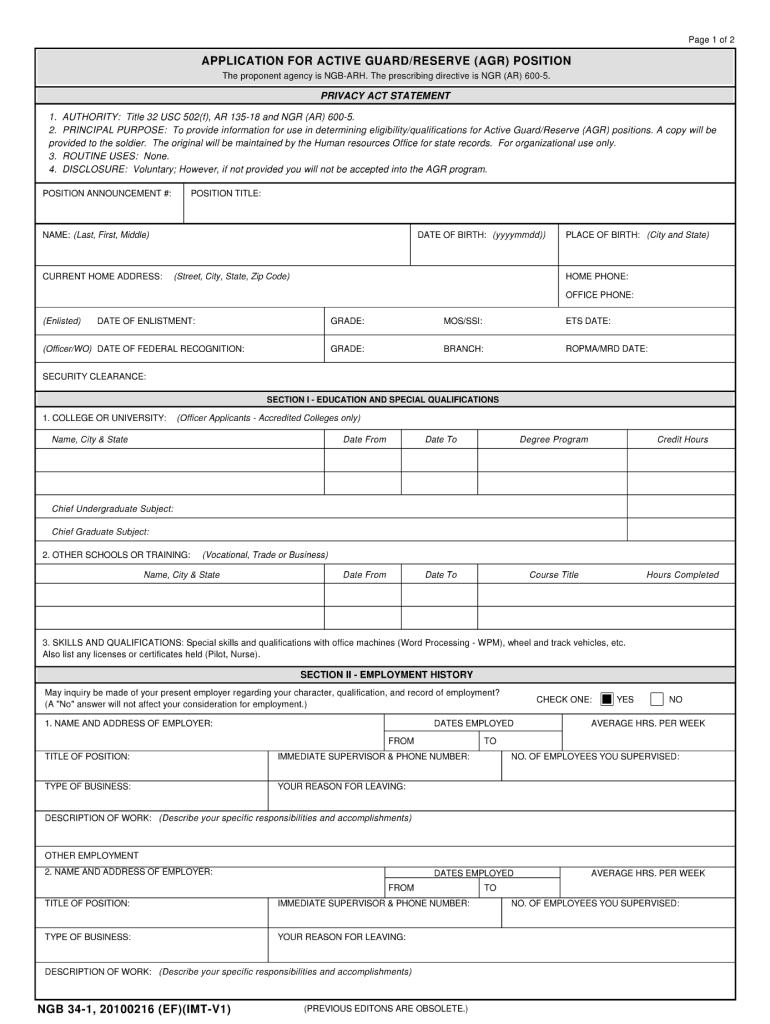







Understanding the California DMV Moving Permit Form
The California DMV moving permit, often referred to as the DMV moving permit, allows vehicle owners to operate their cars for a limited time while they are in the process of moving or awaiting registration. The 2010 version of this form provides standard guidelines relevant for residents who need to transport their vehicles temporarily. This form is particularly useful when owners cannot register their vehicles immediately upon moving.
Eligibility for a California DMV Moving Permit
To qualify for a moving permit, individuals must meet certain criteria:
- Residency Requirements: Applicants must be residents of California or be relocating to California.
- Vehicle Registration: The vehicle must be either unregistered or registered in another state.
- Legal Compliance: The applicant must not have pending violations or issues that would prevent acquiring a permit.
The moving permit is typically granted for temporary operation only, ensuring that vehicles can be legally driven during the transition period for registration updates.
Steps to Obtain a California DMV Moving Permit
Acquiring a DMV moving permit is straightforward, involving several key steps:
-
Gather Required Documents:
- Proof of identity (e.g., driver's license)
- Evidence of vehicle ownership (e.g., title, bill of sale)
- Insurance information
-
Complete the Application:
- Fill out the DMV moving permit form accurately, ensuring all required information is complete.
-
Submit the Form:
- The application can be submitted online, by mail, or in person at a DMV office. If submitting online, ensure that the scanned documents are clear and comply with formatting guidelines.
-
Pay Applicable Fees:
- Fees can vary based on the duration of the permit and other factors; verify current rates on the DMV website.
-
Receive the Permit:
- Upon approval, the online system may issue an electronic permit, or you may receive a physical copy, allowing for legal vehicle operation during the moving period.
Temporary Operation Guidelines
While holding the moving permit, operators should follow specific guidelines to ensure compliance:
- Limited Duration: The permit typically covers operations for a limited time, often up to 90 days.
- Valid Identification: Keep the permit and proof of identity accessible while operating the vehicle.
- Insurance Compliance: Ensure the vehicle is insured during the permit period, as proof of insurance is frequently required during inspections or if stopped by authorities.
- No Transfer of Ownership: The permit is not valid for transferring ownership; its function is strictly for temporary operation.
Important Terms Related to the DMV Moving Permit
Understanding specific terminology helps clarify the nuances of the DMV moving permit:
- Temporary Moving Permit: Another term for the same permit, allowing temporary vehicle operation.
- Vehicle Moving Permit PDF: Refers to the downloadable version of the moving permit application that can be filled out and submitted.
- DMV One Trip Permit: This permit allows for a one-time trip, which may be different from the general moving permit depending on the circumstances.
Comparing Digital and Paper Versions of the Permit
The California DMV provides both digital and paper versions of the moving permit, each with unique advantages:
-
Digital Version:
- Instant access through the DMV's online portal.
- Ability to fill out and submit the form remotely.
- Environmental benefits due to reduced paper usage.
-
Paper Version:
- No need for internet access, appealing to those who prefer traditional methods.
- Easier for individuals who may not be tech-savvy.
- Provides a physical copy for those who prefer tangible documentation.
Common Scenarios for Using a DMV Moving Permit
Various scenarios highlight the utility of the DMV moving permit:
- Relocation Across State Lines: Residents moving to California from another state may need the permit frequently for temporary operation while awaiting registration.
- Moving Vehicles Without Current Registration: Those who have just purchased a vehicle without prior registration may use the permit for legal operation during the transition.
- Short-Term Moves: Individuals moving locally may still require a moving permit if their current registration is not transferable during the move.
Compliance and Penalties Related to the Moving Permit
Non-compliance with the moving permit regulations can lead to penalties, which include:
- Fines: Driving a vehicle without a valid permit can result in monetary fines.
- Legal Issues: Potential legal action can arise from repeated violations or refusal to comply.
- Registration Delays: Failing to register the vehicle after the permit period may lead to complications in future DMV dealings.
Observing the guidelines ensures a smooth transition during the moving process and avoids legal complications that arise from improper vehicle operation.