







Understanding the Secondary School Report
The secondary school report is a vital document for students applying to colleges, providing key details about their academic performance and school environment. It serves multiple purposes, including enlightening admissions committees about the applicant’s achievements, character, and alignment with school standards.
Definition and Importance of the Secondary School Report
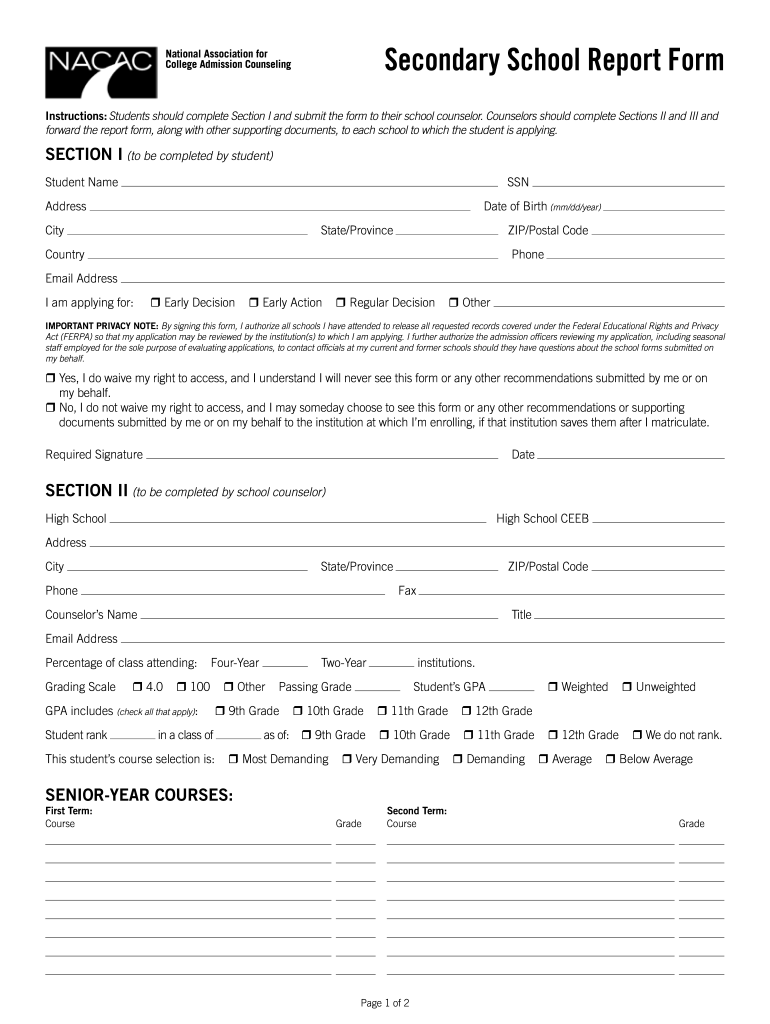
A secondary school report is a comprehensive summary that includes students' academic records, counselor evaluations, and any pertinent information regarding their conduct and extracurricular involvement. Colleges often require this report as part of their application processes to gain insights into the student’s readiness for higher education.
- Contents:
- Academic grades and GPA.
- Courses completed and those in progress.
- Standardized test scores (if applicable).
- Counselor assessments and recommendations.
- Participation in school activities or community service.
The report lays the groundwork for a student's application, showcasing not just grades but also personal growth and diverse experiences throughout their educational journey.
How to Use the Secondary School Report
Students should ensure accurate and timely completion of the secondary school report by coordinating with their school counselors. Follow these steps:
- Request the Form: Visit your school’s counseling office or website to obtain the secondary school report form.
- Provide Personal Details: Students should fill in their personal and academic information accurately.
- Review Academic Records: Work with school officials to verify that all academic grades and achievements are up to date.
- Submit for Review: Allow the school counselor adequate time to fill out their sections, which include personal assessment and recommendations.
- Final Submission: Ensure that the completed report is submitted to colleges by their specified deadlines.
Key Components of a Secondary School Report
A well-structured secondary school report will typically contain several essential components:
- Personal Information: The student’s full name, date of birth, and contact information.
- Academic Transcript: Listing all completed coursework, grades received, and overall GPA.
- Counselor Evaluation: A narrative assessment from a school counselor highlighting personal character, academic diligence, and improvement.
- Extracurricular Activities: Documentation of involvement in clubs, sports, and community service.
- Recommendations: Statements from teachers or administrators regarding the student’s capabilities and readiness for college.
Each section of the report should be filled out with precision to reflect the student’s true potential and achievements.
Examples of Secondary School Reports
When exploring secondary school reports, various institutional templates can be beneficial. Here are examples of formats:
- Basic Template: This includes straightforward sections such as personal info, a transcript, and counselor notes, perfect for schools with fewer additional metrics.
- Comprehensive Report: A more detailed version may include advanced metrics such as class rank, honors, and standardized test scores, in addition to a robust narrative from counselors.
For students applying to prestigious institutions, leveraging a more comprehensive report can significantly enhance their applications.
Legal Considerations of Secondary School Reports
Under the Family Educational Rights and Privacy Act (FERPA), students hold rights over their educational records. This legislation ensures that personal information in secondary school reports is protected, requiring consent before the school can release sensitive information.
- Implications:
- Students can access their records and request corrections to inaccuracies.
- Schools must inform students regarding their rights under FERPA when submitting reports.
Understanding these legalities is critical for both students and counselors to ensure compliance and respect for the student’s privacy.
Recommendations for Crafting an Effective Secondary School Report
Schools and counselors should adhere to best practices in creating secondary school reports:
- Clarity and Accuracy: Each entry should be accurate, reflecting the student’s actual performance.
- Descriptive Feedback: Counselors should provide meaningful, detailed feedback in evaluations to portray the student’s strengths in different areas.
- Consistent Updates: It's essential to maintain updated records throughout the school year to prevent last-minute issues before submission.
By focusing on these aspects, the secondary school report can effectively communicate the student's qualifications and readiness for college.
Variations of the Secondary School Report
Different institutions may request variations or additional elements for their secondary school reports. Some may have specific forms or additional requirements such as:
- Additional Recommendations: Some colleges require supplemental letters from teachers or mentors alongside the official report.
- Online Submissions: Many colleges prefer or require the secondary school report to be submitted electronically through platforms like the Common Application.
Understanding these variations helps schools streamline their processes and ensures that all requirements are met efficiently.
Resources for Completing a Secondary School Report
There are numerous templates and samples available that can guide students and counselors in filling out secondary school reports accurately. Colleges often provide detailed guidelines regarding the documentation process, while organizations like the National Association for College Admission Counseling offer resources that can be helpful.
- Interactive Tools: Utilizing services that facilitate the documentation process, such as digital platforms for filling out reports, can streamline overwhelming tasks for both students and counselors.
- Workshops: Participating in school-sponsored workshops can aid students in understanding the nuances of their reports.
These resources can ease the demands of the report preparation process and ensure thoroughness and accuracy.




