



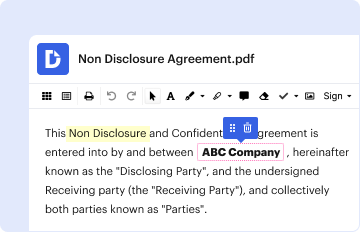
01. Edit your siding order form online
Type text, add images, blackout confidential details, add comments, highlights and more.

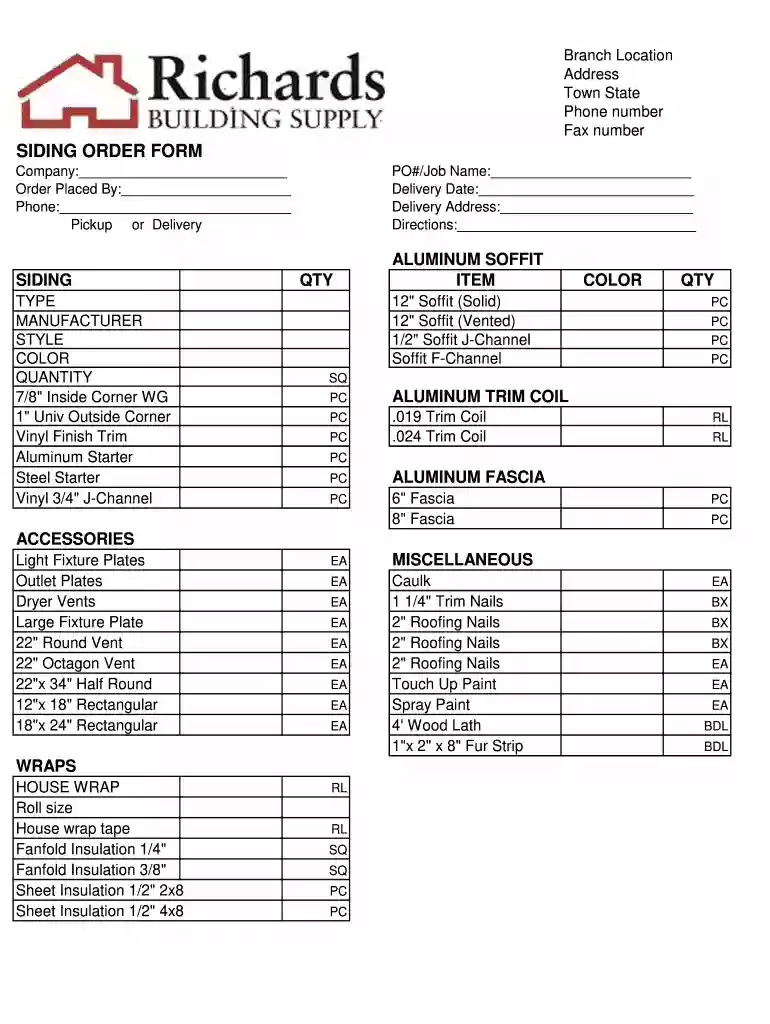
Type text, add images, blackout confidential details, add comments, highlights and more.
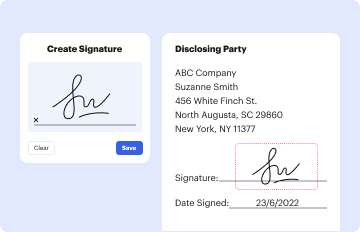
Draw your signature, type it, upload its image, or use your mobile device as a signature pad.

Send siding order form pdf via email, link, or fax. You can also download it, export it or print it out.
A siding order form is a document used by businesses and customers to place orders for siding materials and associated products. This form is essential for clearly outlining the customer's specific needs, including types of siding, quantities, colors, and other relevant details. Often used in the construction and home improvement industries, the siding order form ensures that both customers and suppliers have a mutual understanding of the order's specifics.
The primary purpose of the siding order form is to prevent any misunderstandings and to provide a written record of the agreement. By detailing the exact siding products being ordered, the document helps ensure accuracy in fulfillment and delivery. A typical siding order form may include sections for customer information, product specifications, delivery details, and payment terms.
By clearly defining these components, the siding order form facilitates effective communication between the parties involved.
Using a siding order form involves several key steps, ensuring that all necessary information is collected systematically. This enables homeowners, contractors, and suppliers to streamline their ordering process for siding materials.
Obtain the Form: First, ensure that you have the latest version of the siding order form, either as a printable document or a digital PDF.
Fill Out Customer Information: Enter your name, business name (if applicable), address, and contact number to establish identity and facilitate communication.
Select Products: Review the list of available siding materials, including their specifications. Be precise in selecting the desired colors and styles, as each choice can impact the overall cost and appearance.
Specify Quantities: Accurately indicate how many units of each siding type are required. Consider measuring the area you intend to cover before completing this section to avoid under or overordering.
Provide Delivery Instructions: Clearly state your preferred delivery location and any specific instructions that the supplier should follow to ensure a smooth drop-off.
Review and Submit: Thoroughly review the completed form for any errors or omissions before submitting it to the supplier. Confirm your understanding of payment terms and delivery timelines.
By following these steps, users can efficiently place their siding orders, minimizing the chances for errors and misunderstandings.
Obtaining a siding order form is a straightforward process, essential for ensuring that you have the right document for placing orders. There are several methods to acquire this form:
Supplier Websites: Many siding suppliers provide downloadable PDF versions of their order forms on their websites. These forms are often up-to-date and include specific information pertinent to the supplier's offerings.
In-Person at Supplier Locations: You can visit a local supplier or hardware store that sells siding materials. These locations usually have physical copies of siding order forms available for customers.
Contractor Resources: If working with a contractor, they may supply their customized siding order form as part of their service. It's advisable to use their form if it aligns with the required products.
Industry Associations: Some construction and renovation industry associations provide sample siding order forms on their websites, which can serve as templates for customization.
Document Management Platforms: Tools such as DocHub allow users to create, edit, and store siding order forms. Users can design their forms or modify existing templates to suit their needs.
Using any of these methods ensures that you have the correct and relevant siding order form suited to your specific situation.
Completing the siding order form requires attention to detail and careful consideration of the various elements involved. Following a structured approach ensures that all necessary information is accurately captured.
Begin with Customer Information: Fill in your full name and contact details to allow the supplier to reach you regarding the order.
Review Available Materials: Familiarize yourself with the siding options, considering your project's style and budget. You may want to consult with a design expert if unsure about these choices.
Indicate Specific Products: For each type of siding, select the appropriate color and style. Accurate selections will significantly impact the final outcome of your project.
Enter Quantities: Measure the area where you plan to install the siding and calculate the number of units required. Ensure the quantities match your project's needs.
Delivery Preferences: Provide clear instructions for delivery, including any specific time constraints or access issues that need to be communicated to the delivery team.
Consider Payment Options: Review the payment terms and ensure you select your preferred method, whether it's upfront, upon delivery, or through financing options.
Final Review: Before submitting the form, double-check everything for clarity and correctness. Ensuring that all information is clear will help prevent delays in processing your order.
Completing these steps diligently can help ensure that your siding order is processed without delays, minimizing potential issues down the line.
Understanding the key terminology associated with the siding order form is beneficial for ensuring effective communication between buyers and suppliers. Familiarity with these terms can enhance the entire ordering process.
Siding: A protective material installed on the exterior of a building, affecting both aesthetics and insulation. Common materials include vinyl, wood, and fiber cement.
Trim: Decorative material used to finish edges and openings, often available in various materials and styles to complement the siding.
Order Confirmation: A formal acknowledgment from the supplier, verifying the details of the order, including products, quantities, pricing, and delivery information.
Lead Time: The amount of time that elapses from placing an order until products are delivered. This timeline can vary based on product availability.
Shipping Costs: Fees associated with delivering the ordered siding materials to the specified location. Understanding these costs is crucial for budgeting.
Return Policy: Guidelines established by the supplier for returning unused or incorrect siding materials. Familiarizing yourself with the policy can save potential disputes if issues arise.
Awareness of these terms can empower customers to navigate the siding ordering process more effectively, leading to a smoother experience overall.
At DocHub, your data security is our priority. We follow HIPAA, SOC2, GDPR, and other standards, so you can work on your documents with confidence.
CHANGE ORDER FORM: Project Name: CDBG-DR Hometown Replace (4) exterior receptacles in walls that received new siding upgrades with Contract sum after this
Form Stability: The Paulownia wood is highly form-stable, minimizing warping and twisting, ensuring your siding remains smooth and even over time. Low
Feb 16, 2026 Free True Soul Nere is a Quest in Act One of Baldurs Gate 3. It can be started when the party arrives at Grymforge and talks to SergeantRead more


