






Definition and Importance of NJ Working Papers
NJ working papers, also known as New Jersey working papers, are official documents required for minors aged 14 to 17 to legally work in New Jersey. These papers signify that the minor has received the necessary permissions and meets age-related job requirements established by state regulations. The main purpose of these working papers is to protect minors by ensuring they are of legal working age, enabling proper oversight of their work conditions, and preventing any adverse effects on their education and health.
Obtaining NJ working papers is vital for both the minor seeking employment and the employer. The papers serve as proof that the minor has met all eligibility criteria, including parental consent and medical certification. This documentation ensures that the teen can work legally and safeguards both the minor and employer from potential legal repercussions related to youth employment.
How to Obtain NJ Working Papers
Obtaining working papers in New Jersey involves a straightforward process designed to ensure compliance with state labor laws. The following outlines the key steps required:
- Eligibility Check: Before applying, ensure that the minor meets the age requirements (14-17 years) and has parental or guardian consent to work.
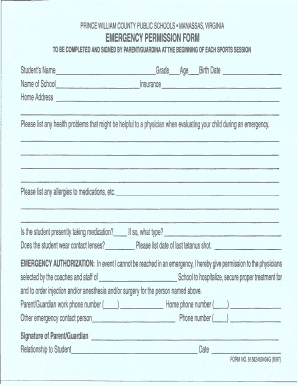
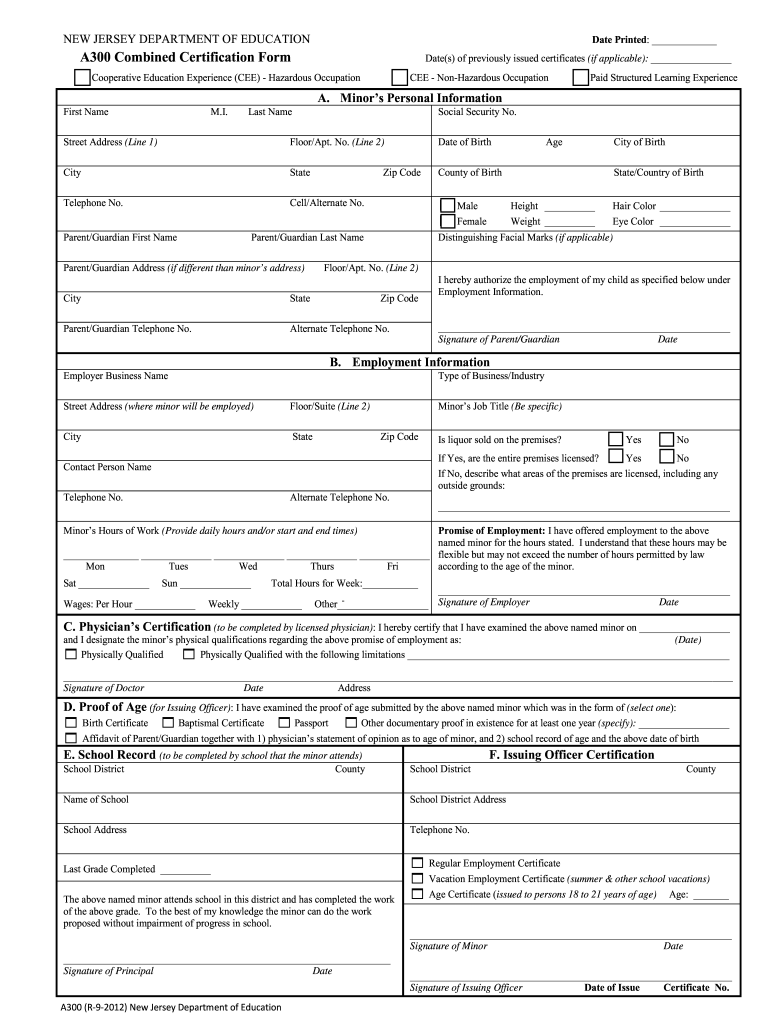
- Visit the School Office: Minors can obtain an application for working papers from their school nurse or administrative office. This is where the A300 Combined Certification Form is usually available.
- Complete Necessary Sections: The minor and parent or guardian need to fill out the required sections of the form, which typically include personal information, details of employer, and parental authorization.
- Physician Certification: A licensed physician must fill out the medical examination section to confirm the minor is fit for work, considering their age and health.
- Submit the Form: Return the completed form to the school office. Upon validation, the school officials will issue the official working papers.
The entire process generally takes a few days, but timing may vary depending on individual school policies.
Steps to Complete the NJ Working Papers
Completing NJ working papers requires attention to detail and adherence to specific guidelines to ensure legal employment. Here’s a step-by-step guide:
- Gather Required Information: Collect personal details, such as full name, address, date of birth, and social security number. Provide information about the prospective employer as well.
- Parental Authorization: Ensure a parent or guardian signs the form, indicating consent for the minor to obtain working papers.
- Medical Certification: Schedule an appointment with a physician to obtain the required health certification. This step is crucial, as it affirms the minor's readiness to work without compromising their health.
- Form Submission: Submit the fully filled A300 Combined Certification Form with all required signatures and certifications to the school.
- Review and Issuance: The school will review the submission for completeness and accuracy before issuing the working papers.
These steps help ensure that both the minor and the employing entity comply with New Jersey’s regulations for youth employment.
Key Elements of NJ Working Papers
Understanding the key elements of NJ working papers is essential for both minors and employers to navigate the employment landscape effectively. The main components include:
- Personal Information: The papers collect essential data related to the minor, including name, age, and contact details.
- Employer Information: Details about the job and employer must be included, ensuring transparency and tracking of the employer’s compliance.
- Certification of Age: A section of the A300 form confirms the minor's age, ensuring that they meet statutory minimum working age requirements.
- Health Certification: This section, filled out by a physician, assesses the minor's physical ability to work, guarding against overexertion and health risks.
- Signatures: Both parental consent and school official signatures are required to ratify the paperwork, ensuring that proper oversight is maintained.
These elements serve to protect the interests of the minor and uphold state labor laws.
Important Rules and Regulations of NJ Working Papers
New Jersey has established specific rules governing the issuance and use of working papers to protect minors in the workforce. Key regulations include:
- Age Restrictions: Minors cannot work until they are 14 years old, and different age groups have varying job restrictions.
- Work Hour Limits: There are limitations on the number of hours a minor can work, especially during school months. For example, minors aged 14 and 15 can work a maximum of 40 hours during summer but are restricted to 18 hours during the school year.
- Types of Employment: Certain jobs are prohibited for minors, including hazardous positions that may pose health risks or violate child labor laws.
- Education Protection: The employment of minors must not interfere with their education. Employers must adhere to regulations that prioritize the minor’s schooling.
Understanding these regulations is essential for ensuring compliance and protecting minors while they gain work experience.