




Here's how it works
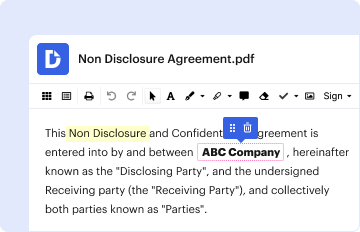
01. Edit your minnesota uniform conveyancing blanks online
Type text, add images, blackout confidential details, add comments, highlights and more.
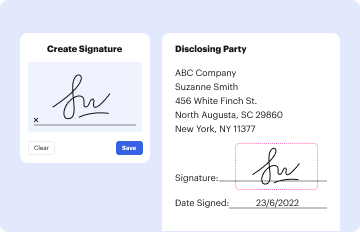
02. Sign it in a few clicks
Draw your signature, type it, upload its image, or use your mobile device as a signature pad.
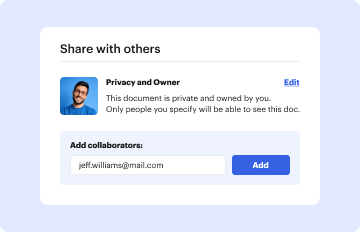
03. Share your form with others
Send mn uniform conveyancing blanks via email, link, or fax. You can also download it, export it or print it out.
How to use or fill out Minnesota Uniform Conveyancing Deed Form with our platform

- Click ‘Get Form’ to open the Minnesota Uniform Conveyancing Deed in the editor.
- Begin by entering the eCRV number and deed tax due in the designated fields at the top of the form.
- Fill in the date of conveyance, followed by the names and marital status of each Grantor. Ensure accuracy as this information is crucial for legal purposes.
- Select one of the options for how Grantees will hold title: either 'tenants in common' or 'joint tenants'. Enter the names of each Grantee accordingly.
- Provide a legal description of the property being conveyed. If applicable, check if any part of it is Registered (Torrens).
- Indicate whether there are any wells on the property by checking the appropriate box and providing necessary details if required.
- Have all Grantors sign where indicated, ensuring that their signatures are notarized as per state requirements.
- Finally, fill in the name and address of who should receive tax statements related to this property.
Start using our platform today to easily complete your Minnesota Uniform Conveyancing Deed form online for free!
Fill out minnesota uniform conveyancing deed form online
It's free
It's free
See more minnesota uniform conveyancing deed form versions
We've got more versions of the minnesota uniform conveyancing deed form form. Select the right minnesota uniform conveyancing deed form version from the list and start editing it straight away!
Got questions?
We have answers to the most popular questions from our customers. If you can't find an answer to your question, please contact us.
Contact us
What is a standard contract for deed in Minnesota?
A contract for deed is a purchase contract for real estate. It may allow people who do not qualify for a traditional mortgage or who do not want to take out a mortgage to buy a house. A contract for deed means that instead of paying the seller all at once, you buy the house over a period of time, like 3-5 years.
How long does a buyer have to record a contract for deed in Minnesota?
Recording the contract for deed Within four months of signing the contract for deed, you must record it with the office of the county recorder or registrar of titles in the county in which the property is located. If you do not do so, you could face a fine.
What is Section 559.21 in Minnesota statute?
Minnesota Statutes, Section 559.21 is primarily used to terminate the rights of a contract-for-deed purchaser in the event of the purchasers default in the terms of the contract-for-deed.
What is a deed of distribution in Minnesota?
When the real property is distributed, the PR executes a deed of distribution and conveys legal ownership of the property to the heirs as designated in the probated will.
How to fill out a Minnesota quit claim deed?
0:16 1:59 Include the names of the grantor. And Grant T. As well as a description of the property. BeingMoreInclude the names of the grantor. And Grant T. As well as a description of the property. Being transferred once the form is completed it must be signed by the grantor in the presence of a notary.
Security and compliance
At DocHub, your data security is our priority. We follow HIPAA, SOC2, GDPR, and other standards, so you can work on your documents with confidence.
Learn more


People also ask
What is the new contract for deed law in Minnesota?
Entering into all residential contracts for deed Commencing August 1, 2024, all sellers entering into residential contracts for deed have a non-alterable obligation to pay any delinquent real estate taxes on the property and to record the contract within four months of execution.
How to transfer property title to family member in Minnesota?
How to Transfer Property Through Gifting Conducting a House Title Search. Filing a Property Transfer Affidavit. Drafting a Compliant House Deed. Signing the Deed Before Witnesses. Acquiring a Notary Acknowledgement. Registering the Deed With the Government.
What is the contract law in Minnesota?
Under Minnesota law, a contract may be formed verbally, in writing, or it may be implied based on the parties conduct and course of dealing. Most contracts in the State of Minnesota are governed by principles of contract law developed by the courts over the years (referred to as the common law).