Definition & Meaning
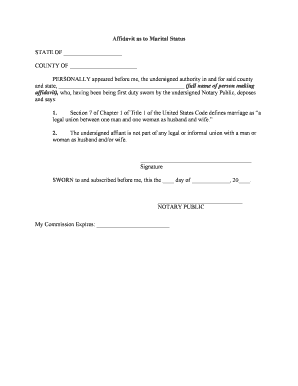
An "Affidavit of Heirship" in Texas is a legal document used to establish the heirs of a deceased person who did not leave a valid will. It serves to clarify familial relationships and distribute the decedent's assets according to Texas intestacy laws. This affidavit is completed by a third party who is not a beneficiary and has knowledge of the deceased's family history. It includes detailed information about family members such as the decedent's marital status, offspring, grandchildren, parents, and siblings, among others, aiding in the resolution of estate matters without requiring complex probate procedures.
How to Use the Heirship Affidavit Texas
To effectively use the heirship affidavit in Texas, follow these steps: ensure that the affidavit is filled out by a disinterested third party with personal knowledge of the decedent's family history. Next, the affidavit should be sworn and notarized. Once completed, file the document with the county clerk's office where the decedent resided at the time of death. This filing helps to officially record the information regarding the heirs, aiding in property title transfer and other legal processes related to estate management. The affidavit must accurately reflect the familial situation to avoid future legal disputes.
Steps to Complete the Heirship Affidavit Texas
-
Identify an Affiant: Choose an impartial individual familiar with the family and marital history of the deceased to complete the affidavit.
-
Gather Required Information:
- Decedent’s full name and date of death.
- Detailed family tree including spouses, children, parents, and siblings.
- Any significant anniversaries or events tied to the decedent's marital status and offspring.
-
Complete the Form: Include all pertinent details, ensuring the accuracy of information concerning living and deceased relatives.
-
Notarize the Document: Have the affidavit signed in the presence of a notary public for legal binding.
-
File with County Clerk: Submit the completed affidavit at the appropriate county clerk’s office for official recording.
By following these steps, you ensure the document serves its purpose in settling the estate under Texas law.
Why Should You Complete an Heirship Affidavit Texas
Using an affidavit of heirship has practical benefits. It facilitates a simplified transfer of assets when a decedent passes away intestate, avoiding probate. This document provides legal recognition of heirs, making it easier to claim property, settle debts, and distribute assets. Furthermore, it helps prevent disputes among potential heirs by clearly identifying rightful beneficiaries. Completing this affidavit helps families move forward more quickly and cost-effectively in managing an estate, especially useful in situations where the decedent left minimal assets or had a straightforward family structure.
Important Terms Related to Heirship Affidavit Texas
Understanding specific legal terms is crucial:
- Decedent: The deceased whose estate is being settled.
- Affiant: A disinterested person completing and verifying the affidavit.
- Intestate: Dying without a legal will.
- Heir: Individuals legally entitled to inherit from the decedent.
- Notary Public: An official witnessing the signing to authenticate the document.
These terms outline critical roles and conditions for the affidavit’s application, supporting effective estate management.
Legal Use of the Heirship Affidavit Texas
The affidavit is legally used in Texas to establish heirs' rights to a decedent's estate for real property transactions and other related legal matters without full probate. It is crucial for scenarios where heirs need to transfer property titles, close bank accounts, or manage other assets distributed by intestacy law. Proper filing grants it legitimacy in courts, making it a reliable tool for swift estate resolution. This usage highlights its role in protecting legal rights and ensuring orderly succession.
State-Specific Rules for the Heirship Affidavit Texas
Texas law requires specific compliance when using an affidavit of heirship. The affidavit must be notarized and filed with the appropriate county clerk’s office. Detailed family information and credible witnesses (two or more advising on heirs if possible) are required for validation. The document's accuracy is vital due to its role in legally binding declarations regarding heirship and property transfer. These state-specific rules emphasize adherence to local legal standards for processing estate matters.
Key Elements of the Heirship Affidavit Texas
Key components include:
- Decedent Information: Full name, date of death, and domicile.
- Family Details: Comprehensive list of heirs, both direct (children, spouses) and extended (siblings, parents).
- Affiant’s Role: Disinterested party’s confirmation of family relations.
- Notarization: Proper witnessing for legal acknowledgment.
- Filing Procedure: Filing location and format ensuring accepted legal documentation.
These elements ensure that the affidavit meets its intended purpose within Texas legal requirements.
Examples of Using the Heirship Affidavit Texas
Consider a scenario where a Texas resident passes away without a will. The decedent's children use an affidavit of heirship to claim their late parent's real estate without proceeding through probate. In another case, siblings file this document to distribute assets after their unmarried, childless brother's demise, simplifying the legal process. These examples illustrate how this affidavit supports smooth property and estate settlements.