




Definition and Meaning
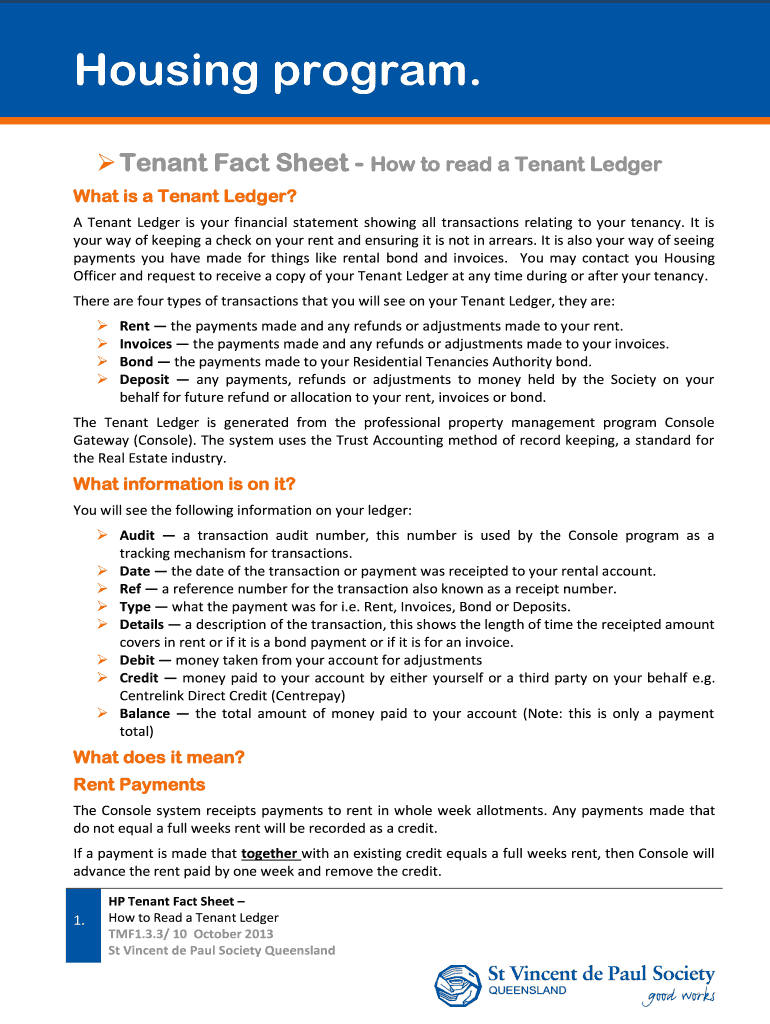
A rental ledger from a private landlord serves as a comprehensive record of all financial transactions between a tenant and their landlord. It details rental payments, security deposits, late fees, and any other financial interactions related to the leasing situation. This document is essential for both parties as it ensures transparency in financial dealings, assists in resolving disputes, and serves as evidence of payment history.
How to Use the Rental Ledger from a Private Landlord
To effectively utilize a rental ledger, tenants and landlords should regularly update it to reflect all financial transactions. This involves recording each rent payment with its date, amount, and payment method. Any deductions or additional charges, such as repairs or late fees, should also be documented. Consistently maintaining the ledger helps in monitoring payment patterns, identifying discrepancies, and managing finances more efficiently.
How to Obtain the Rental Ledger from a Private Landlord
Typically, tenants can request a rental ledger by directly contacting their landlord or property manager. Landlords are generally required to provide this documentation to tenants upon request. It is advisable to make the request in writing, either via email or through certified mail, to keep a formal record of the request. Depending on local regulations, landlords may have a specific time frame to provide the ledger to their tenants.
Key Elements of the Rental Ledger from a Private Landlord
The main components of a rental ledger include:
- Payment Date: This indicates the exact date when the rent was paid.
- Payment Amount: This specifies the exact amount paid by the tenant.
- Payment Method: This details whether the payment was made by check, bank transfer, or another method.
- Balance Carried Forward: Any remaining balance from the previous month should be noted.
- Additional Charges or Credits: These are additional costs like late fees or credits for repairs.
Each section should be filled out accurately to avoid misunderstandings and disputes.
Legal Use of the Rental Ledger from a Private Landlord
The rental ledger serves as a legal document that can be used in various legal contexts. For tenants, it can be utilized as proof in disputes over payment claims or eviction proceedings. For landlords, it functions as official documentation of payment history, which may be required in legal proceedings concerning rent arrears or lease violations.
Who Typically Uses the Rental Ledger from a Private Landlord
Rental ledgers are primarily used by tenants and landlords within the private rental sector. Real estate agents and property managers may also utilize these ledgers to manage multiple properties and tenant accounts effectively. Additionally, accountants and financial advisors might use them for tax preparation or financial auditing purposes.


Examples of Using the Rental Ledger from a Private Landlord
Consider a scenario where a tenant is disputing a charge for an alleged late rent payment. By referring to the rental ledger, both parties can verify the payment timeline and amounts to resolve the dispute. In another example, a tenant might use the ledger to demonstrate consistent on-time payments when applying for a new rental property, thus enhancing their rental application with a positive payment history.
Versions or Alternatives to the Rental Ledger from a Private Landlord
While rental ledgers are commonly formatted as simple spreadsheets or tabled documents, various software solutions can offer more dynamic and integrated alternatives. Programs like QuickBooks or specialized rental management software platforms provide automated and cloud-based ledger functions. These alternatives can streamline data entry and enhance versatility in tracking and reporting financial activities related to rental agreements.