



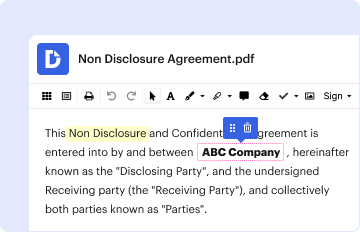
01. Edit your 8857 form online
Type text, add images, blackout confidential details, add comments, highlights and more.

Type text, add images, blackout confidential details, add comments, highlights and more.
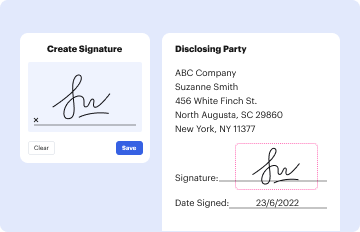
Draw your signature, type it, upload its image, or use your mobile device as a signature pad.

Send irs form 8857 via email, link, or fax. You can also download it, export it or print it out.
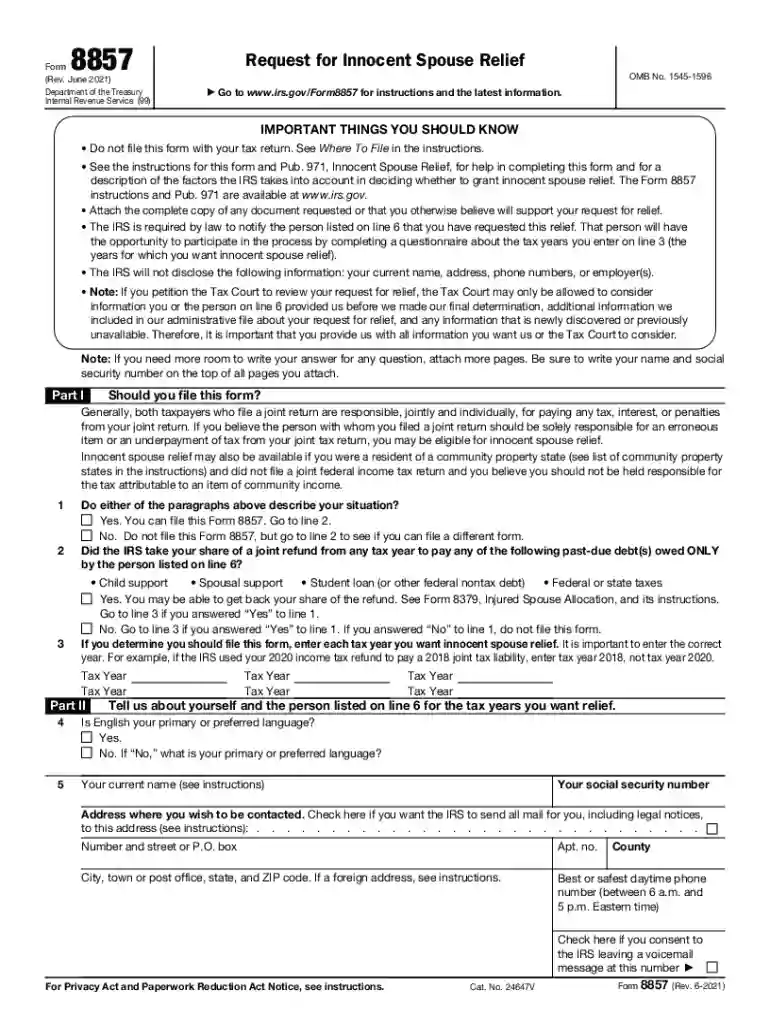
IRS Form 8857 is known as the "Request for Innocent Spouse Relief." This form is designed to assist individuals who filed joint tax returns and seek relief from having to pay additional taxes due to errors made by their spouse. The primary intent of this form is to shield individuals from tax liabilities arising from underreported income, incorrect deductions, or erroneous credits inadvertently attributed to them on jointly filed returns.
Acquiring IRS Form 8857 is straightforward. It can be downloaded directly from the official IRS website in PDF format. It’s essential to ensure you have the most current version of the form by checking the website regularly. Alternatively, individuals can contact the IRS directly to request a mailed copy of the form. Some local IRS offices may also provide physical copies for those who prefer to complete it by hand.
To be eligible for Innocent Spouse Relief using IRS Form 8857, the requesting individual must meet specific criteria:
Eligibility is subject to thorough review by the IRS, making it crucial for applicants to provide ample evidence supporting their claims for relief.


Filling out IRS Form 8857 involves several key steps:
Submitting IRS Form 8857 requires accompanying it with several crucial documents to substantiate the claims:
These documents help demonstrate the applicant's circumstances and strengthen the case for obtaining relief.
After submission, the IRS will review the application and all accompanying documents following their guidelines. They may contact both spouses for additional information or clarification. The review period can vary, typically lasting several months. The decision is communicated in writing. If denied, the letter will articulate the reasons for the denial, and the applicant may have the option to appeal the decision.
The filing deadline for IRS Form 8857 is dependent on when the IRS first began collection activities. Generally, relief should be requested within two years from the start of these actions. It's important to monitor IRS communications and act promptly to meet these critical deadlines.
Failure to successfully secure Innocent Spouse Relief may result in full liability for the tax debt, including accrued interest and penalties. Applicants need to ensure that they provide comprehensive and truthful information to avoid potential consequences, such as penalties for fraudulent claims, which could exacerbate their financial obligations.
Consider a scenario where one spouse, unknown to the other, reports inaccurate income for a tax year. Upon IRS review, a tax deficiency is identified. By filing IRS Form 8857, the uninformed spouse can plead their case for relief, arguing their unawareness and unfair liability for the discrepancies. Another example involves a spouse contesting taxes due after a divorce, where assets were unfairly reported during their previous marriage.
Through detailed understanding and proper completion of IRS Form 8857, individuals can seek to protect themselves from undue tax burdens stemming from their spouse's financial mismanagement or inaccuracies.
We've got more versions of the 8857 form form. Select the right 8857 form version from the list and start editing it straight away!
At DocHub, your data security is our priority. We follow HIPAA, SOC2, GDPR, and other standards, so you can work on your documents with confidence.
Do not file this form with your tax return. See Where To File in the instructions. See the instructions for this form and Pub. 971, Innocent Spouse Relief,Read more
Generally, you should file Form 8857 as soon as you become aware of a tax liability for which you believe only your spouse (or former spouse) should be held.Read more
Jan 2, 2018 Equitable relief. You must file Form 8857, Request for Inno- cent Spouse Relief, to request relief from joint responsibility. Pub. 971Read more


