







Definition & Meaning
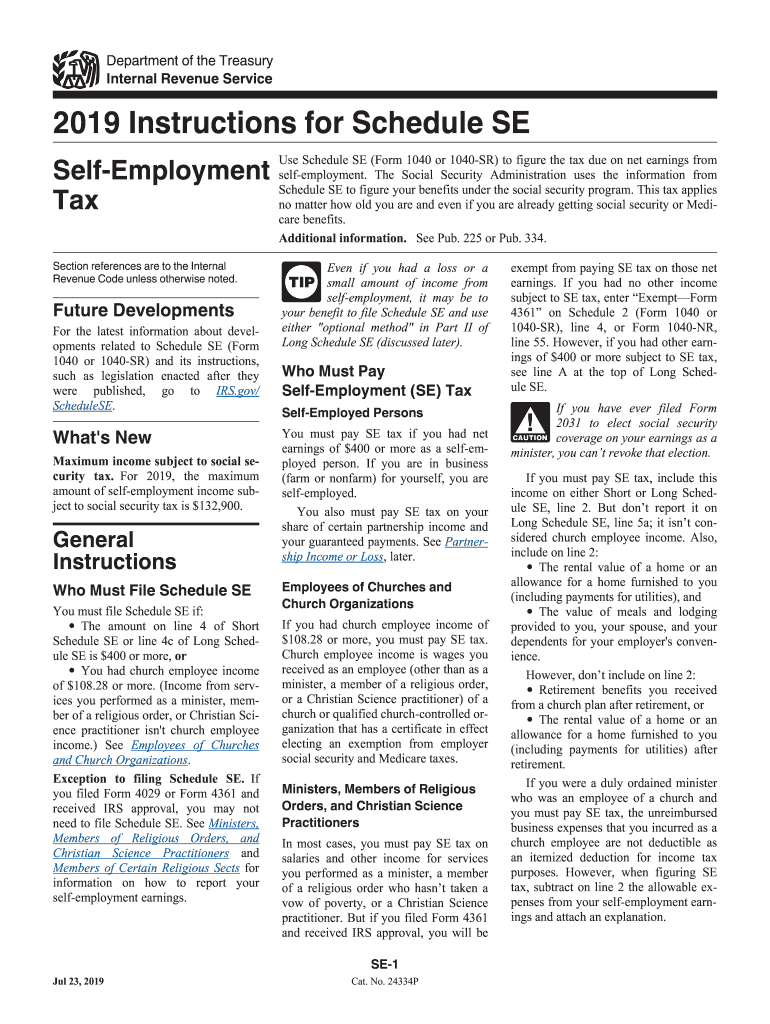
The 2 SE, also known as Schedule SE (Form 1040), is a tax form used to calculate and report self-employment tax for individuals with net earnings from self-employment activities. This form is essential for those who earn income outside of traditional employment, such as freelancers, independent contractors, and small business owners. Self-employment tax includes Social Security and Medicare taxes, similar to the contributions withheld from traditional employees' paychecks. Understanding the form's meaning is crucial for accurately reporting income and avoiding IRS penalties.
Key Elements of the 2 SE
Schedule SE consists of several sections designed to capture different aspects of self-employment income:
- Net Profit Calculation: Begin by determining your net profit from self-employment. This includes total income minus allowable business expenses, aiding in ensuring taxes are calculated correctly.
- Self-Employment Tax Rate: The form applies the self-employment tax rate, typically 15.3% as of 2017, which comprises 12.4% for Social Security and 2.9% for Medicare.
- Adjustments to Income: This may include deductions for one-half of the self-employment tax to decrease your taxable income under IRS rules.
Steps to Complete the 2 SE
- Gather Required Information: Collect your financial records, including earnings, expenses, and any prior year tax documents.
- Calculate Net Earnings: Use part of the form to record total self-employment income and subtract business expenses.
- Apply the Tax Rates: Determine the amounts owed in Social Security and Medicare taxes, applying the current tax rates.
- Fill in the Form: Enter all calculated figures into the appropriate sections of Schedule SE.
- Attach to Main Tax Return: Make sure to include Schedule SE with your IRS Form 1040 when filing.
Important Terms Related to 2 SE
- Self-Employment Income: Any income received from business activities, freelance work, or contracting.
- Net Earnings: Gross self-employment income minus business expenses.
- Self-Employment Tax: Combined Social Security and Medicare taxes for self-employed individuals.
- Deduction for One-Half of Self-Employment Tax: A specific adjustment allowing self-employed taxpayers to deduct a portion of self-employment tax from their taxable income.
IRS Guidelines
The IRS provides specific instructions to ensure the accurate filing of Schedule SE, including who must file, income thresholds, and exemptions for particular income types such as church employment and partnerships. Familiarize yourself with these guidelines to avoid common filing errors and discrepancies.
Filing Deadlines / Important Dates
The due date for filing the 2017 Schedule SE coincides with the federal tax filing deadline, typically April 15th each year. Monitor for any IRS-announced extensions that may affect deadlines, particularly in years following significant national or regional events.
Who Typically Uses the 2 SE
This form is essential for anyone engaged in self-employed activities, including:
- Freelancers: Artists, writers, and consultants regularly use Schedule SE to report earnings.
- Small Business Owners: Sole proprietors who receive business income without traditional payroll deductions.
- Independent Contractors: Professionals working across various sectors without W-2 employment.


Why Should You Use the 2 SE
Filing Schedule SE is crucial for:
- Compliance: Staying compliant with federal tax laws, avoiding audits, and potential penalties.
- Social Security Benefits: Ensuring that you contribute to Social Security, thereby accruing credits toward potential future benefits.
- Accurate Financial Reporting: Presenting a clear and accurate picture of your earnings and tax liabilities to the IRS.
State-Specific Rules for the 2 SE
While the Schedule SE is a federal form, state tax requirements can differ. Familiarize yourself with state-specific mandates regarding self-employment and income reporting, as additional forms or considerations might apply depending on:
- Local Tax Rates: Some states impose tax obligations on self-employed individuals beyond federal requirements.
- State-Specific Deductions: Availability of unique deductions or credits for state tax filings.
Required Documents
To complete the 2017 Schedule SE, ensure you have:
- Business Income Records: Copies of 1099 forms or similar income documentation.
- Expense Receipts: Proof of business-related expenses.
- Previous Year’s Tax Return: For comparison and continuity.
Comprehensively addressing these areas will aid in understanding and accurately completing the 2 SE Form, essential for all self-employed taxpayers.




