Ifsp 2026

Get Form
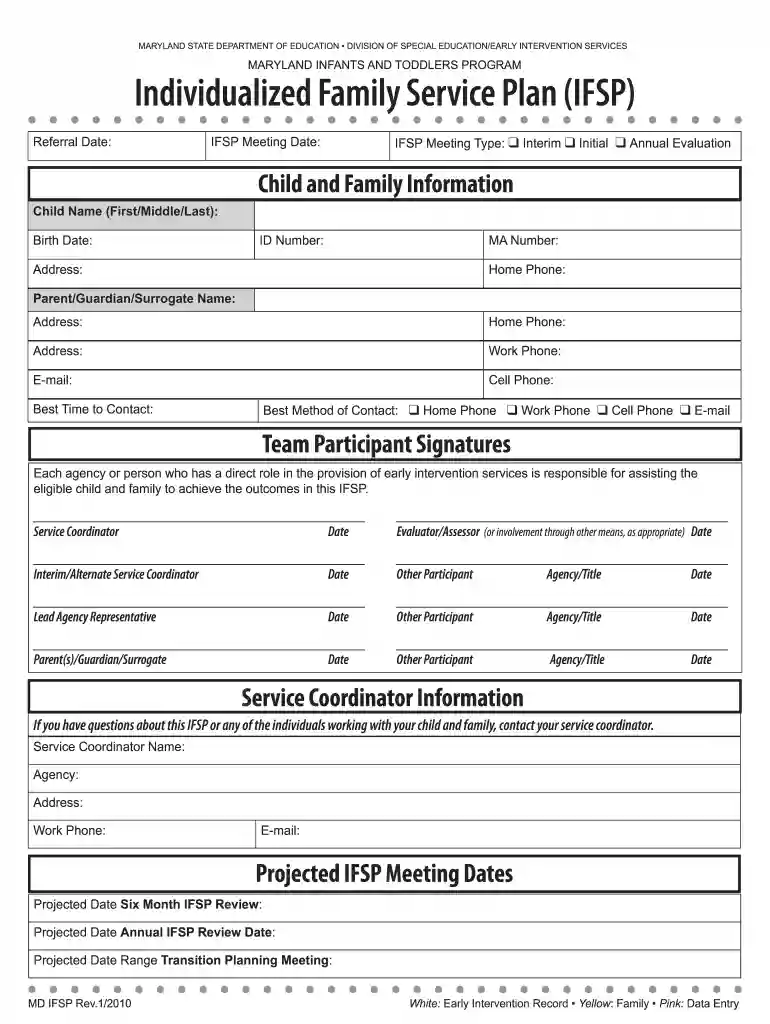
ifsp template Preview on Page 1

Here's how it works

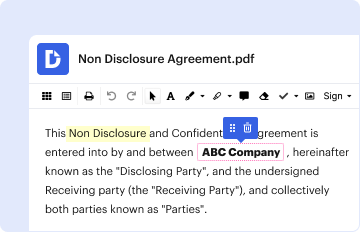
01. Edit your ifsp template online
Type text, add images, blackout confidential details, add comments, highlights and more.

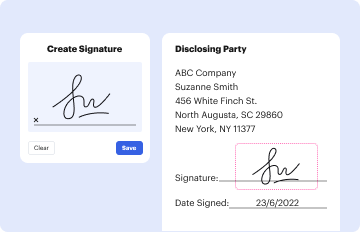
02. Sign it in a few clicks
Draw your signature, type it, upload its image, or use your mobile device as a signature pad.
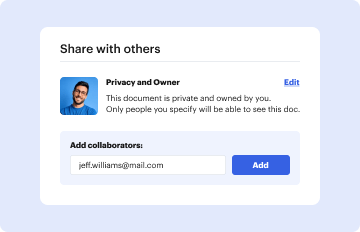
03. Share your form with others
Send ifsp example via email, link, or fax. You can also download it, export it or print it out.

Understanding the Individualized Family Service Plan (IFSP)

The Individualized Family Service Plan (IFSP) is a critical document tailored to support the developmental needs of young children with disabilities and their families in the United States. The IFSP outlines a comprehensive approach to delivering early intervention services and is governed by both federal and state regulations to ensure standardized support.

Components of an IFSP

An IFSP includes several key components that help in planning and delivering services effectively.

  • Child and Family Information: This section captures essential details about the child and family, including demographics and cultural considerations that may influence service delivery.
  • Developmental Assessments: A thorough evaluation of the child's developmental milestones helps identify strengths and areas needing support, forming a basis for the services outlined in the IFSP.
  • Eligibility Criteria: The document specifies the criteria through which a child qualifies for early intervention services, ensuring that families understand their options.
  • Strengths and Needs: This section details the unique strengths of the child and the family's concerns or priorities, addressing how services will support both.
  • Service Linkages: It outlines the types of services to be provided, such as speech therapy or occupational therapy, and how these services will be interconnected to support the child's development.

The Process of Developing an IFSP

Creating an IFSP is a collaborative process involving professionals, the child’s family, and sometimes the child.

  1. Referral: This typically starts with a referral for evaluation, which may come from a pediatrician, a teacher, or a family member concerned about a child's development.
  2. Evaluation: An evaluation team assesses the child's needs through standardized tests and observations. This may include input from various specialists, such as psychologists or speech therapists.
  3. Team Meeting: A meeting is scheduled to discuss the evaluation results. Families are encouraged to participate actively, voicing their concerns and priorities.
  4. Drafting the IFSP: Based on the discussion, the IFSP is drafted, including specific goals, services, timelines, and roles of various participants.
  5. Review Process: After the initial IFSP is created, there should be regular reviews to adjust services, based on the child's progress and changing family needs.

Legal Framework Governing IFSPs

The development and implementation of IFSPs are guided by several legal frameworks, including:

  • Individuals with Disabilities Education Act (IDEA): This federal law mandates early intervention services and establishes guidelines for developing, reviewing, and revising IFSPs.
  • State Regulations: Each state may have additional rules and guidelines that impact the structure and content of the IFSP.

Practical Applications of the IFSP

The IFSP is not merely a formality; it has practical applications that influence daily life for the child and family:

  • Goal Setting: The IFSP serves as a roadmap for setting achievable developmental goals tailored to each child’s unique circumstances.
  • Resource Allocation: It helps determine what resources, such as therapies or support services, are needed and how they will be provided.
  • Coordination of Services: Effective coordination among various service providers ensures that families receive comprehensive support that aligns with the child's needs.

Examples of IFSP Scenario Applications

Consider a family with a toddler diagnosed with speech delays. Their IFSP may include:

  • Developmental Goals: Increase vocabulary to 50 words within six months.
  • Services: Weekly speech therapy sessions.
  • Family Involvement: Parents are trained on activities they can do at home to support speech development.

Another example could involve a child with motor skill delays. For this case, an IFSP could include:

  • Assessment Findings: Delayed gross motor skills impacting mobility.
  • Goals: Improve independent sitting without support in three months.
  • Services: Bi-weekly occupational therapy to enhance motor skills and family education on facilitating practice at home.

Transition Planning in the IFSP

An essential part of the IFSP process is transition planning, which prepares children and families for the shift to preschool services around age three.

  • Timing: Transition discussions should begin six months before the child turns three.
  • School Readiness Goals: The IFSP should include objectives related to transitioning into a school setting, ensuring families understand the steps to prepare for these services.

The IFSP is a cornerstone in early intervention, designed to be flexible and responsive to the needs of children and families, supporting healthy development in a collaborative environment. It exemplifies a family-centered approach, emphasizing the critical role that families play in the developmental trajectory of their children.

See more ifsp versions

We've got more versions of the ifsp form. Select the right ifsp version from the list and start editing it straight away!
Versions Form popularity Fillable & printable
2010 4.8 Satisfied (127 Votes)
2010 4.3 Satisfied (163 Votes)
be ready to get more

Complete this form in 5 minutes or less

Get form

Security and compliance

At DocHub, your data security is our priority. We follow HIPAA, SOC2, GDPR, and other standards, so you can work on your documents with confidence.

Learn more
ccpa2
pci-dss
gdpr-compliance
hipaa
soc-compliance
be ready to get more

Complete this form in 5 minutes or less

Get form