







Definition & Meaning of the Itemized List for Insurance Claim Template
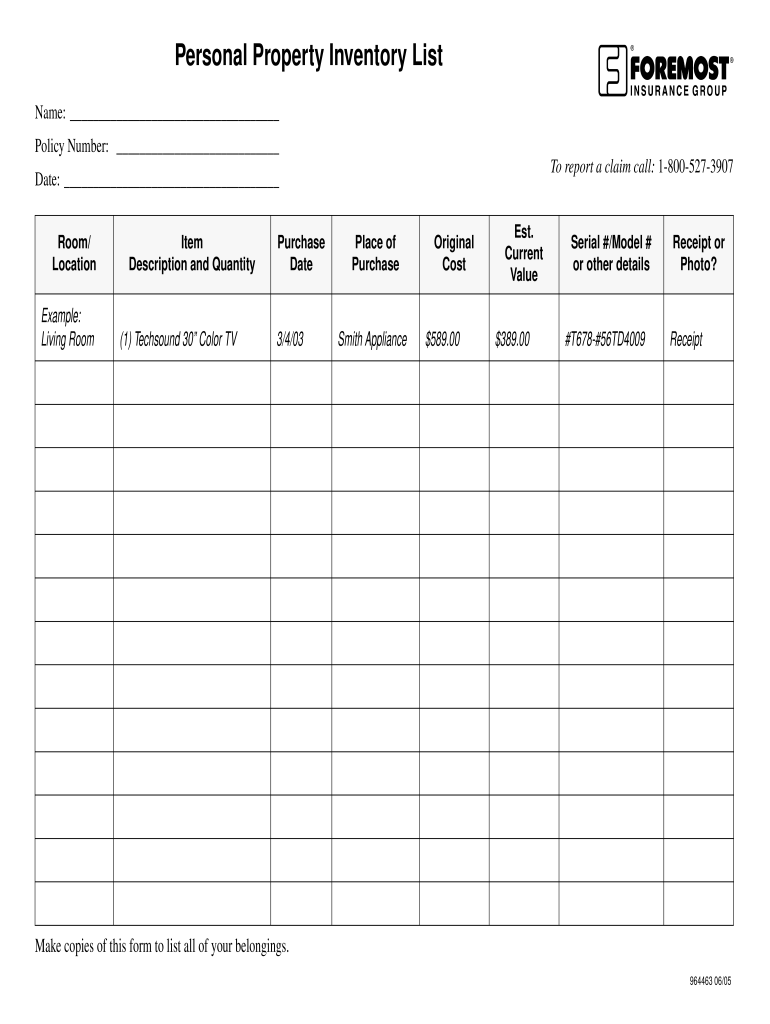
The itemized list for insurance claim template serves as a structured document that allows individuals to catalog and detail their personal belongings for the purpose of filing an insurance claim. This template typically outlines specific items, their descriptions, purchase details, and current values, ensuring that all necessary information is readily available for reimbursement processes. By having a standardized approach, policyholders can present a clear and organized summary of their possessions to insurance providers, thereby facilitating a smoother claims process.
Typically, such a list includes the following key components:
- Item Description: A detailed explanation of each item, including brand names, models, and any unique features.
- Purchase Information: Dates of purchase, receipts, or any proof of ownership that adds legitimacy to the claim.
- Current Value: The estimated value of the item at the time of the loss, which may include depreciation assessments.
- Quantity: The total number of each item, especially for common items like furniture or electronics.
- Photographic Evidence: Images may be included to support the claim, proving ownership and current condition.
Key Elements of the Itemized List for Insurance Claim Template
Creating an effective itemized list for insurance claims involves several essential elements that enhance its utility and comprehensiveness.
- Detailed Descriptions: Each entry should contain a thorough description. For instance, rather than simply listing "TV," the description should specify "Samsung 55-inch Smart LED TV, Model UN55NU6900."
- Acquisition Proof: It's advisable to keep receipts or images of purchases as supporting documents. If a physical receipt is not available, digital purchase confirmations can also serve as credible evidence.
- Current Values: Correctly assessing the current market value of items is crucial. Tools like online marketplaces can guide evaluations for used goods. Items such as high-value electronics may require professional appraisals in certain instances.
- Condition Reports: Notes on the condition of items prior to the event of loss can further substantiate claims. For example, mentioning that a specific piece of jewelry was in "excellent condition" can validate the claimed value.
- Inventory Tracking: Regularly updating the itemized list ensures that it reflects recent purchases and disposals, which is vital in case of a claim after a loss.
Regularly revisiting this document maintains its accuracy and relevance, making future claims straightforward.
Steps to Complete the Itemized List for Insurance Claim Template
Completing the itemized list for an insurance claim typically follows a structured approach. Here’s a step-by-step breakdown:
- Gather Documentation: Start by collecting receipts, warranty information, and prior appraisals for all items.
- List Items: Write down each item in the designated format. Include brand names and model numbers for clarity.
- Assess Values: Determine the current market value for each item. Online marketplaces or appraisal services can assist with accurate valuations.
- Photography: Take clear photographs of each item. Include close-ups to capture unique identifiers and overall condition.
- Maintain Updates: Review the itemized list regularly, adding new purchases and removing disposed items.
This organized approach not only prepares individuals for potential claims but also promotes better tracking of personal property over time.
Examples of Using the Itemized List for Insurance Claim Template
Various real-world scenarios highlight the practical application of the itemized list for insurance claims.
- Home Theft: A homeowner discovers numerous items missing due to a burglary. Having an updated itemized list enables them to document lost goods quickly, facilitating prompt reimbursement.
- Natural Disasters: After a fire, homeowners can utilize their itemized list to specify which items were destroyed. This organized presentation aids in the insurance adjuster’s assessment and enhances the chance of a favorable resolution.
- Accidental Damage: An individual accidentally damages their laptop. By referencing the itemized list, they can provide the insurance company with necessary details such as the purchase date and value for replacement.
These examples illustrate how effectively using an itemized list can impact the efficiency and success of insurance claims.
Why Should You Use the Itemized List for Insurance Claim Template?
Utilizing an itemized list for insurance claims is beneficial for multiple reasons:
- Streamlined Process: An organized list accelerates the insurance claim process, ensuring that relevant information is accessible when needed.
- Enhanced Accuracy: It reduces the chances of missing valuable items, as all possessions are clearly documented, enabling comprehensive claims.
- Increased Reimbursement Likelihood: Detailed documentation improves interaction with insurance adjusters, leading to higher chances of receiving full value on claims.
- Proof of Ownership: An itemized list acts as a credible proof of ownership, which is often necessary for claim validation.
- Financial Protection: Maintaining a thorough inventory can safeguard individuals financially by ensuring they are adequately compensated in the event of loss.
Overall, this template plays a crucial role in protecting personal property interests and ensuring that individuals are prepared for fiscal challenges.




