
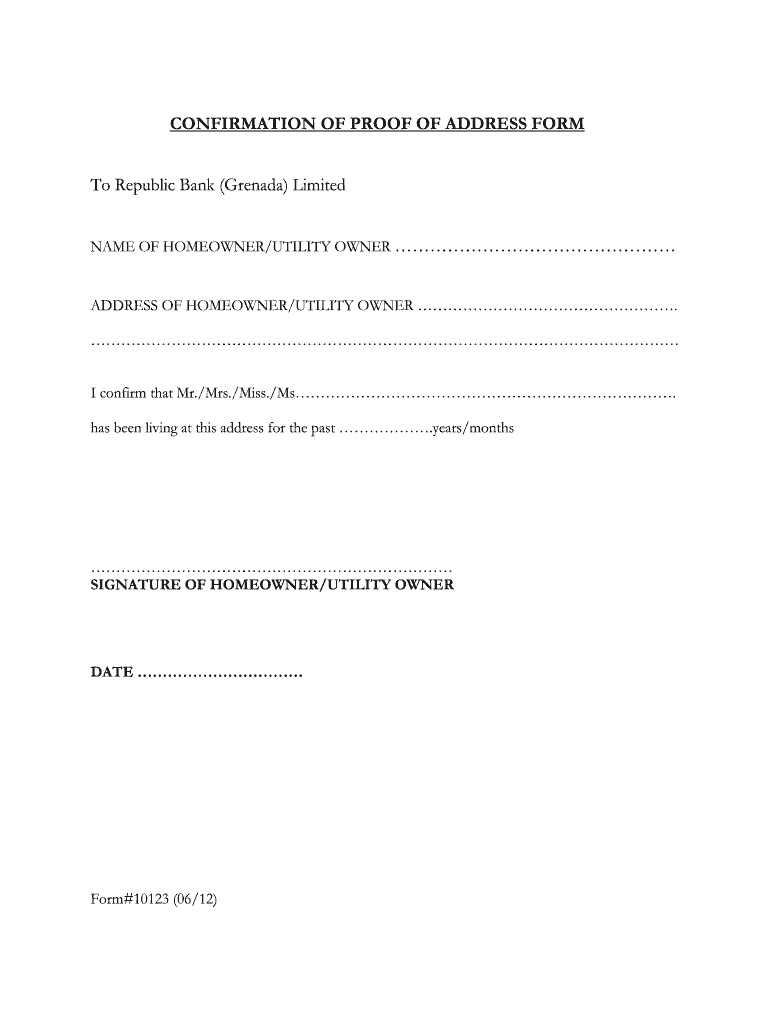







Understanding the Proof of Address Letter for Banks
A proof of address letter for banks serves multiple purposes in personal and business finance, notably during account setup, loan applications, or verification processes. This document verifies that an individual resides at a specified address, which is a critical requirement for financial institutions to comply with regulatory obligations and ensure accurate record-keeping.
Key Components of a Proof of Address Letter
A well-structured proof of address letter contains several essential elements:
- Sender Information: This includes the name, address, and contact details of the person writing the letter.
- Recipient Information: The bank's name and address where the letter is being submitted must be included.
- Date: The letter should clearly indicate the date it was issued.
- Subject Line: Clearly stating the purpose, such as "Proof of Address Confirmation".
- Body Content: Specific statements confirming the individual's residency and length of residence.
- Signature: The letter must be signed by the person verifying the address.
Types of Documents Typically Used
In addition to a formal letter, several types of documents can also serve as proof of address for banks:
- Utility Bills: These are the most common proofs of address, accompanied by a recent date.
- Lease Agreements: Rented accommodation documents showing the tenant's name and address.
- Official Government Correspondence: Letters from government agencies that display the individual's address.
- Bank Statements: Recent bank statements typically list the account holder’s address, confirming residency.
Practical Steps for Writing a Proof of Address Letter
When tasked with creating a proof of address letter, you can follow these structured steps:
- Gather Necessary Information: Ensure all relevant details such as full names, addresses, and dates are accurate.
- Choose the Right Format: The letter should be formatted professionally with clear sections for sender and recipient information.
- Draft the Letter: Clearly state the purpose of the letter at the beginning, then provide the address confirmation details.
- Include an Affidavit of Truthfulness: If applicable, add a statement to confirm the information is accurate and true.
- Review and Sign: Check for errors, add your signature and date. If it’s coming from an official source, ensure it’s on company letterhead if possible.
Address Verification Procedures for Banks
Financial institutions use this letter as part of their KYC (Know Your Customer) processes. This can include:
- Verification of Identity: Ensuring the applicant is who they claim to be.
- Fraud Prevention: Reducing fraudulent activities by confirming the address associated with the bank account.
- Regulatory Compliance: Adhering to laws which mandate the verification of customer addresses to combat money laundering and other financial crimes.
Acceptable Format Examples for Address Verification Letters
Here are a few examples of how the letter can be structured:
Example 1: Formal Utility Bill Letter
[Your Name] [Your Address] [City, State, Zip Code] [Email]
[Date]
[Bank Name] [Bank Address] [City, State, Zip Code]
Subject: Proof of Address Confirmation
To Whom It May Concern,
This letter is to confirm that [Your Full Name] resides at [Your Address] since [Date of Move]. This information has been verified through the utility bill dated [Date of Bill].
Thank you for your attention to this matter.
Sincerely,
[Your Signature] [Your Printed Name]
Example 2: Informal Letter
[Utility Owner's Name] [Utility Owner’s Address] [City, State, Zip Code]
[Date]
[Recipient's Bank Name] [Recipient's Address] [City, State, Zip Code]
Subject: Verification of Address
Dear [Recipient's Name],
I hereby confirm that [Individual’s Name] has resided at [Address] since [Start Date]. Please feel free to reach out to me at [Utility Owner's Contact Information], should you require further information.
Thank you.
Best regards,
[Signature] [Utility Owner’s Name]
Legal Implications of Address Verification Letters
Utilizing a proof of address letter must adhere to legal standards to mitigate risk. Common issues arise when:
- Misinformation: Providing false information can lead to legal repercussions, including potential criminal charges.
- Fraudulent Use: Misusing address verification can contribute to identity theft or other financial crimes.
Banks may conduct audits or request further proof of residency if they suspect inaccuracy.
Conclusion on Proof of Address Letters
Navigating the requirements of a proof of address letter for banks involves understanding specific formatting, necessary content, and potential implications. It’s vital to be thorough and accurate to ensure the letter serves its intended purpose.
By adhering to these guidelines, individuals can facilitate a smoother banking experience and comply with necessary regulations.


