Definition & Meaning
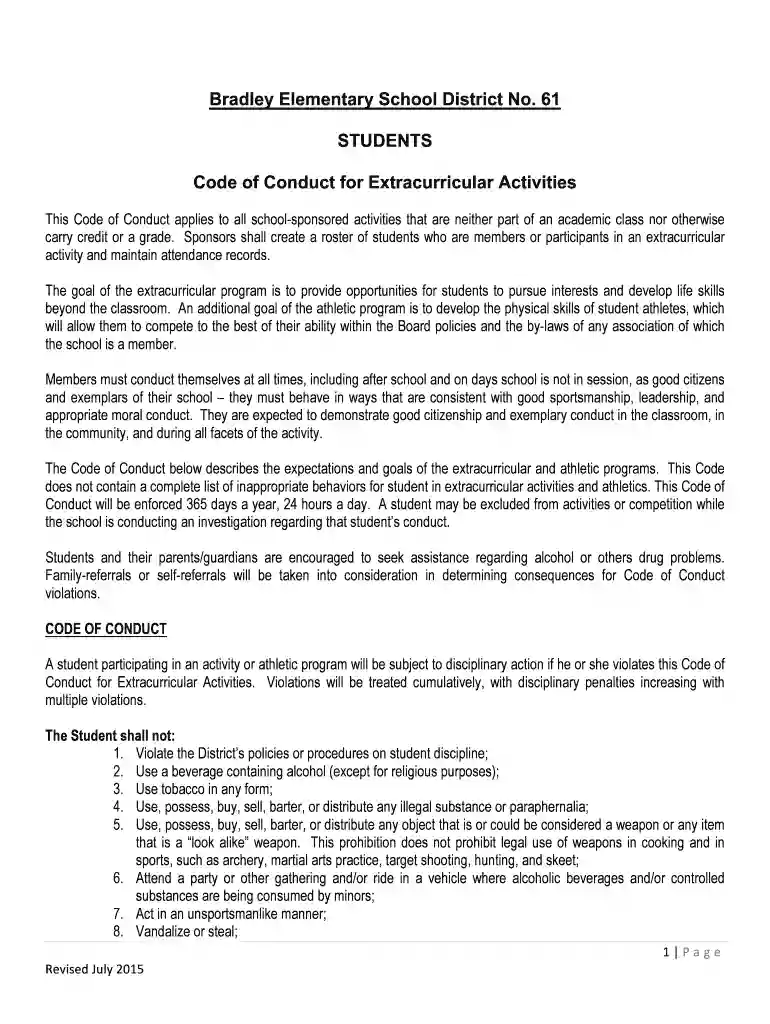
The "Statement on Expectations and Responsibilities" is a formal document that outlines the anticipated behavior and obligations of individuals within a certain context, such as in a school, workplace, or community organization. This statement is designed to provide a clear understanding of what is expected in terms of conduct, participation, and contribution. It serves as a contract between parties, ensuring that everyone is aware of their roles and duties, which can help in maintaining order and accountability.
Core Components
- Expectations of Behavior: Details about the expected conduct, including adherence to rules, fulfilling roles, and upholding organizational values.
- Responsibilities: Specific duties and obligations individuals must carry out to meet the organization’s goals.
- Consequences for Non-Compliance: Information on potential repercussions or disciplinary actions if expectations are not met.
How to Use the Statement on Expectations and Responsibilities
Utilizing the "Statement on Expectations and Responsibilities" involves integrating it into the daily operations of an organization or group. Here’s how to effectively implement it:
Implementation Steps
- Dissemination: Share the document with all relevant parties, ensuring that each person reviews and understands it.
- Training: Conduct sessions to explain the statement's contents, clarifying any ambiguous terms or responsibilities.
- Regular Review: Encourage periodic reviews to reinforce the expectations and adapt to any changes in the organizational context.
Practical Applications
- Orientation for New Members: Use it as part of the onboarding process for new employees or members to set expectations from the onset.
- Performance Reviews: Refer to the statement during evaluations to assess whether individuals are meeting the standards set forth.
Steps to Complete the Statement on Expectations and Responsibilities
Completing the "Statement on Expectations and Responsibilities" requires a thorough approach to ensure all necessary information is accurately captured.
Detailed Process
- Identify Objectives: Clearly define what the statement aims to achieve, focusing on fostering a cooperative and respectful environment.
- Draft Guidelines: Collaborate with stakeholders to draft sections that specify behavior expectations and responsibilities.
- Review and Feedback: Solicit input from potential signees to refine the document, ensuring it is comprehensive and fair.
- Finalize and Distribute: Approve the final version and distribute it among the concerned parties for acknowledgment.
Best Practices
- Clarity: Use straightforward language to avoid misinterpretations.
- Inclusivity: Consider diverse perspectives to ensure the document is equitable.
Key Elements of the Statement on Expectations and Responsibilities
The statement comprises several essential elements that collectively provide a framework for organizational behavior.
Essential Sections
- Introduction: An overview of the statement’s purpose and scope.
- Expectations: Specific behaviors that are encouraged or required.
- Responsibilities: Detailed tasks or roles assigned to individuals.
- Feedback Mechanism: Channels for providing or receiving feedback related to the statement’s application.
Operational Examples
- Behavioral Examples: List of behaviors that align with organizational values, such as teamwork, punctuality, and respect.
- Role-Specific Duties: Responsibilities tied to particular roles, such as management duties or committee leadership.
Important Terms Related to the Statement on Expectations and Responsibilities
Understanding the terminology used in the statement is crucial for proper comprehension and compliance.
Key Terminology
- Compliance: Adherence to the rules and responsibilities outlined in the statement.
- Accountability: The obligation to accept responsibility for one's actions as stipulated by the statement.
- Ethical Conduct: Behaving in a morally responsible and principled manner in line with organizational norms.
Contextual Applications
- Compliance Monitoring: Mechanisms for ensuring adherence to the statement, such as audits or evaluations.
- Ethical Guidelines: Set of principles that govern professional and personal behavior within the organization.
Legal Use of the Statement on Expectations and Responsibilities
The legal implications of the statement ensure it is respected and enforceable within the organization.
Legal Considerations
- Binding Agreement: When signed, the statement can serve as a legally binding contract, upholding the outlined expectations and responsibilities.
- Dispute Resolution: Includes procedures for resolving conflicts arising from the interpretation or application of the statement.
Examples of Legal Scenarios
- Disciplinary Actions: Legally justified actions based on documented non-compliance with the statement’s guidelines.
- Litigation: Using the statement as evidence in disputes or legal proceedings concerning organizational misconduct.
Examples of Using the Statement on Expectations and Responsibilities
Practical examples highlight how this statement can be applied in real-world settings.
Scenario Applications
- School Settings: Outlining student responsibilities and behavioral expectations to promote a safe and productive learning environment.
- Workplace Policies: Codifying employee duties and decorum, reducing misunderstandings about job requirements and acceptable conduct.
Case Studies
- Team Projects: Utilizing the statement in collaborative projects to delineate individual roles and foster accountability.
- Community Programs: Establishing clear expectations for participants in community initiatives, ensuring cohesive and goal-oriented efforts.
Penalties for Non-Compliance
Non-compliance with the "Statement on Expectations and Responsibilities" can result in various penalties, tailored to the severity of the breach.
Penalty Structure
- Verbal and Written Warnings: Initial steps to address minor infractions with the goal of corrective action.
- Suspensions: Temporary removal from duties or participation as a consequence of repeated or significant violations.
- Termination or Expulsion: Ultimate penalty for serious or persistent non-compliance, signaling a cessation of association with the organization.
Implementation and Enforcement
- Documentation of Violations: Maintain records of all non-compliance instances as part of the disciplinary process.
- Consistent Application: Ensure penalties are applied fairly and consistently to uphold the integrity of the statement.