




01. Edit your form online
Type text, add images, blackout confidential details, add comments, highlights and more.

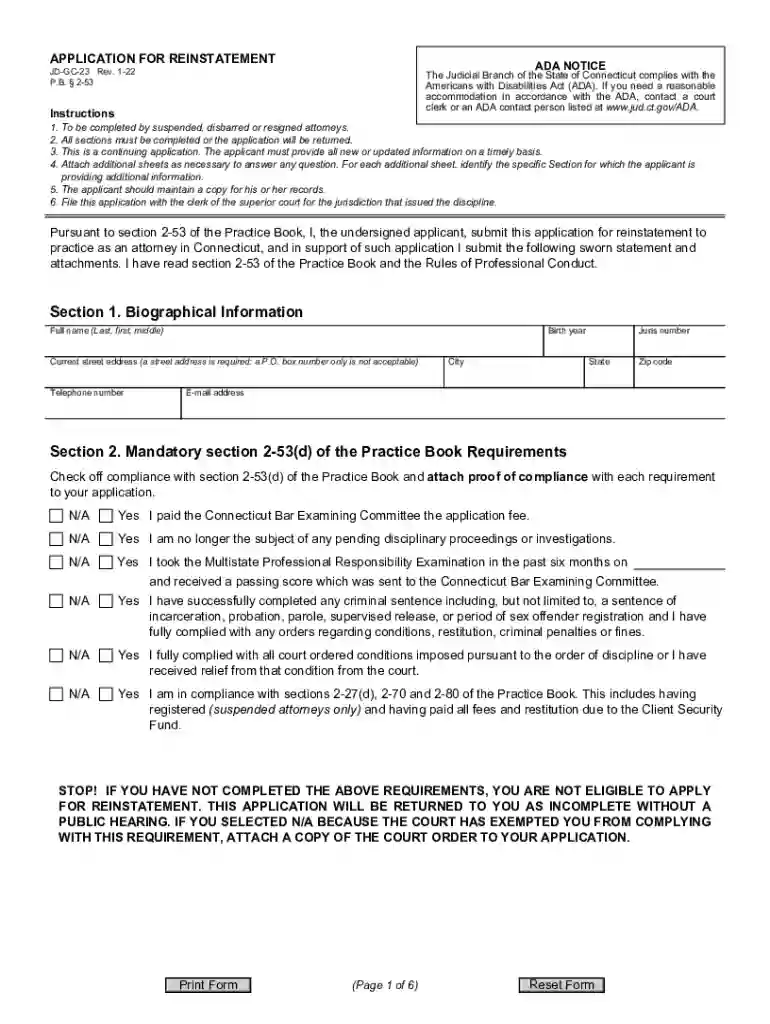
Type text, add images, blackout confidential details, add comments, highlights and more.

Draw your signature, type it, upload its image, or use your mobile device as a signature pad.

Send it via email, link, or fax. You can also download it, export it or print it out.
The "ASSIGNMENT FORM - SUPREME COURT - cloudfront" is a legal document used in association with cases presented to the Supreme Court. It facilitates the process of assigning rights or responsibilities related to legal proceedings. This form ensures that all legal assignments are properly documented and recognized by the court, providing a clear record of which attorneys or representatives have been designated specific responsibilities or rights in a proceeding.
Using the Assignment Form involves a series of steps designed to ensure proper completion and submission. First, obtain the latest version of the form from an authorized source, such as the court's website or a legal service provider. Carefully fill out all designated sections, ensuring accuracy in detailing parties involved, both assignor and assignee. The form must be signed by both parties to validate the assignment. It's important to cross-check with any specific instructions provided by the jurisdiction to ensure compliance with local rules.
Completing the Assignment Form involves precise attention to detail to ensure all necessary information is included and accurately recorded. Follow this step-by-step guide:
The form comprises several important sections, each requiring comprehensive and accurate information to ensure its validity:
The Assignment Form is used legally to document the transfer of legal duties or rights within a court case. It helps establish a clear chain of responsibility and ensures that the court recognizes the designated representatives. The use of this form must align with the procedural rules of the Supreme Court, and it must be completed and filed in accordance with any specific legal mandates set forth by local jurisdictions.
The primary users of this form are legal professionals such as attorneys, paralegals, and court officials who manage the assignments of legal cases in the Supreme Court. It is also utilized by litigants who require official reassignment of responsibilities or rights concerning their cases.


Each state may impose unique requirements for the completion and submission of the Assignment Form in accordance with their local rules and procedures. It's essential for users to understand and adhere to these rules to avoid issues with acceptance or processing.
Real-world scenarios where the Assignment Form might be utilized include transitions within law firms, reassignment of duties during prolonged legal cases, or administrative changes within court systems.
When submitting the Assignment Form, it may be necessary to include additional documentation to support the assignment. Common required documents might include:
Depending on jurisdictional protocols, the submission of the Assignment Form can occur through various methods, each with its own set of instructions and requirements:
We've got more versions of the ASSIGNMENT FORM - SUPREME COURT - cloudfront form. Select the right ASSIGNMENT FORM - SUPREME COURT - cloudfront version from the list and start editing it straight away!
With DocHub, it’s quite simple. The service offers users an add-on called DocHub for Gmail, which you can locate in the Google Workspace Marketplace without being charged. Set it up and grant it access to your Google account. Open your email with your ASSIGNMENT FORM - SUPREME COURT - cloudfront attached and click on the add-on button in the right-side panel. Sign in to your DocHub account, and import the file to our editor, where you can complete it and sign.
You can easily edit and complete your ASSIGNMENT FORM - SUPREME COURT - cloudfront on any iOS device. Open an internet browser of your liking, go to the DocHub website, authorize or create a new account, add your file for editing, and make your required changes. Our service is mobile-friendly, so using its functions on your phone will be a no-brainer, even on the first try.
At DocHub, your data security is our priority. We follow HIPAA, SOC2, GDPR, and other standards, so you can work on your documents with confidence.


