






Understanding the RMA Form: Definition and Importance
The Return Merchandise Authorization (RMA) form is a vital document in the process of returning products to manufacturers or retailers for various reasons, including defects, dissatisfaction, or warranty claims. This form acts as an official request for permission to return a product and outlines the conditions under which the return can be completed. Without an approved RMA, companies typically do not accept returned items, emphasizing the form’s significance in businesses that handle returns frequently.
Understanding what an RMA form entails ensures both consumers and businesses maintain organized processes when dealing with returns. The RMA meaning not only relates to the authorization itself but also describes a structured method of documenting these transactions. This becomes critical in maintaining accurate inventory records and ensuring customer satisfaction while adhering to company policies.
Key Components of an RMA Form
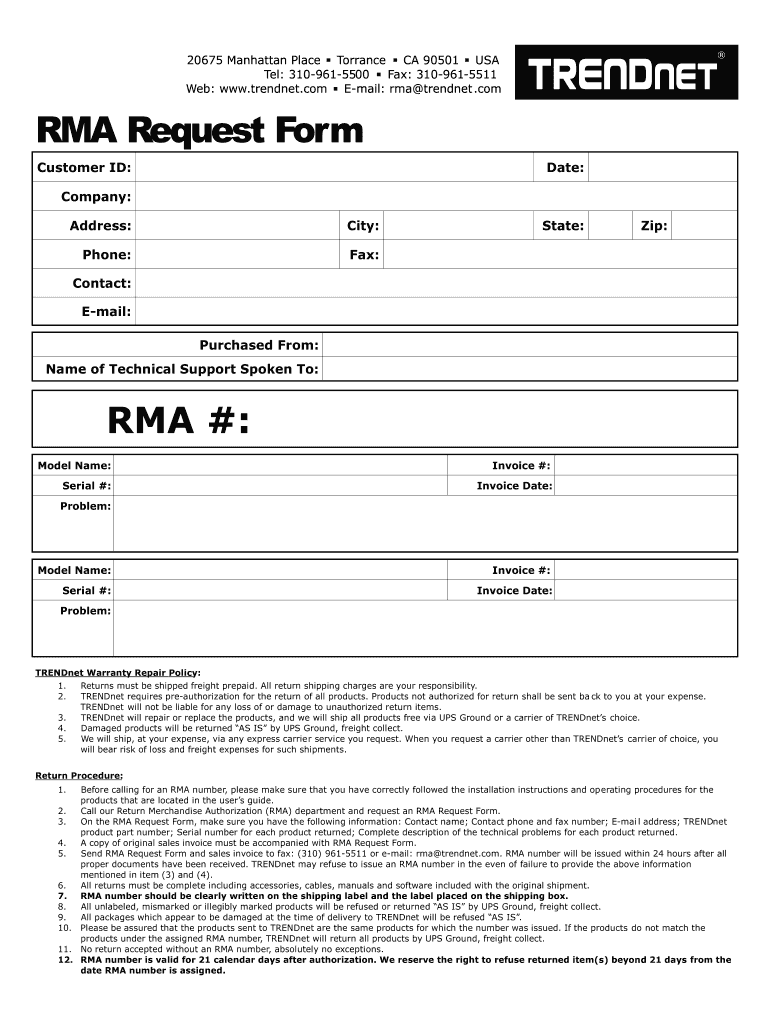
An RMA form generally includes several essential elements necessary for processing returns efficiently. The following components are often included:
- RMA Number: A unique identifier assigned to each return request.
- Customer Information: Details such as name, contact information, and billing address.
- Product Information: Description, model number, and quantity of the item being returned.
- Reason for Return: Specific explanation of why the return is necessary.
- Return Instructions: Guidelines for packing and shipping the item back to the seller.
Each of these sections plays a critical role in ensuring that the return process runs smoothly and helps prevent confusion or errors in processing.
Steps to Complete an RMA Form
Completing an RMA form involves a straightforward process. Here’s how to effectively fill out an RMA request:
-
Obtain the RMA Form: Access the RMA form from the company’s website or customer service. Some businesses provide a downloadable template, while others may require you to request one directly.
-
Fill in Customer Information: Provide accurate details, including your name, contact number, and order number. This information helps the company locate your purchase quickly.
-
Detail the Product Information: Include the product name, model, and any serial numbers associated with the item to ensure precise tracking.
-
Specify the Reason for Return: Clearly explain the reason for returning the product. This could include defects, wrong item received, or dissatisfaction.
-
Sign and Date the Form: Depending on the company, you may need to sign and date the form to confirm your request for return.
-
Submit the Form: Send the completed form back to the company through the instructed method, whether that's an online submission, email, or traditional mail.
Completing these steps precisely can expedite the return process and help ensure that your return is authorized smoothly.
Common Reasons for Requesting an RMA
Understanding typical reasons for requesting an RMA can clarify when customers should initiate this process:
- Defective Products: Items are not functioning as advertised or expected.
- Incorrect Items: Receiving an item that differs from what was ordered.
- Buyer’s Remorse: Change of mind within a company’s return policy timeframe.
- Warranty Claims: Returning products under warranty for repair or replacement.
Identifying the reason for the return not only aids customers in their requests but also assists businesses in tracking patterns related to their products and policies.
Legal Considerations Surrounding RMAs
The legality of RMA procedures varies by jurisdiction, but generally, businesses must comply with consumer protection regulations. Key legal considerations include:
- Consumer Rights: In the U.S., customers have rights concerning returns, which must be clearly outlined in return policies.
- Documentation: Maintaining thorough records of RMA requests and outcomes ensures compliance and can protect against disputes.
- Time Limits: Many businesses establish time frames for returns that comply with federal and state laws, which must be clearly communicated.
By understanding these legal aspects, both consumers and businesses can navigate RMA procedures more effectively and maintain lawful compliance.
Examples of RMA Usage Across Industries
Several industries implement RMA forms as part of their standard return processes. Examples include:
- Retail: Common for clothing and electronics, where customers return items for size or functionality issues.
- Technology: Involving software or hardware products that may need to be returned for reasons such as compatibility or defects.
- Automotive: Parts that may not fit or perform as expected often require RMAs to return to suppliers.
These diverse applications demonstrate the RMA form’s adaptability and necessity across various fields, ensuring that returns are handled in an organized and efficient manner.
Templates and Variants of RMA Forms
Businesses often create specific templates for RMA forms to ensure uniformity in returns. Common variants include:
- Printable Blank RMA Forms: These can be filled out manually but may lack interactive features found in digital forms.
- RMA Form Templates in Word or Excel: Facilitating ease of use, these formats enable customization and straightforward documentation.
- RMA Forms in PDF Format: These are often used for secure electronic submissions, ensuring unaltered document integrity.
Having access to various form types allows companies to choose formats that best align with their operational needs and customer preferences.
Conclusion
An RMA form is an essential tool for managing returns effectively. By understanding its components, the completion process, legal considerations, and templates, both consumers and businesses can navigate the return process with clarity and confidence. This knowledge allows for smoother transactions, fostering a positive relationship between customers and retailers.