





Definition and Meaning of the Direct Debit Request Service Agreement
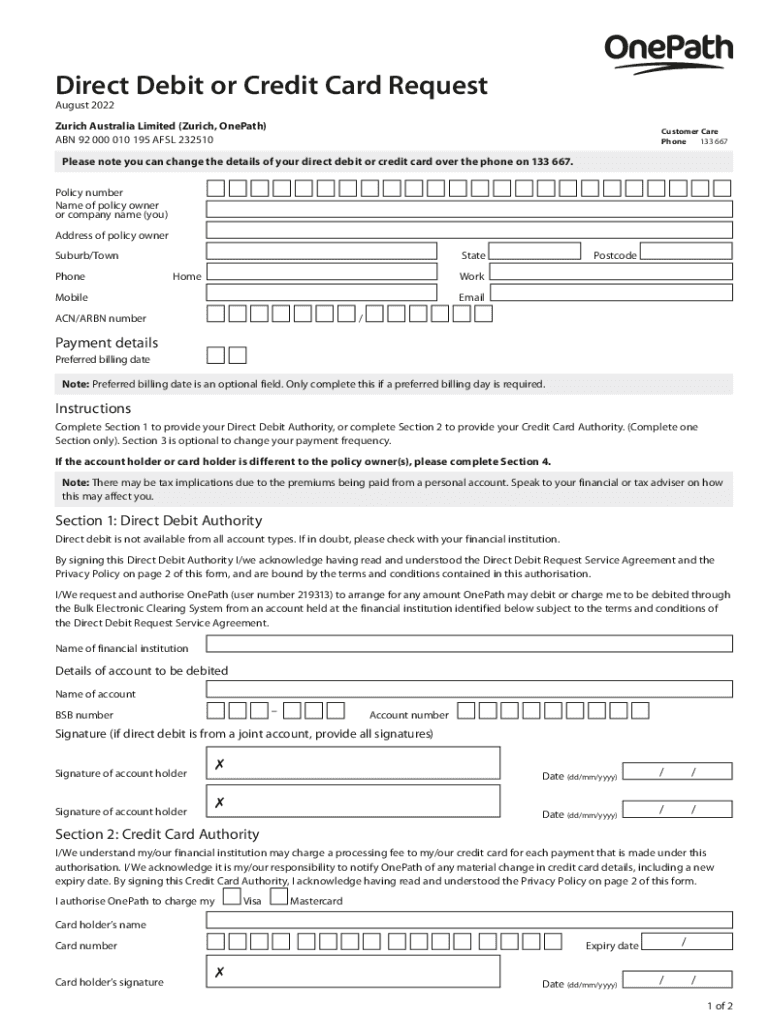
The Direct Debit Request Service Agreement from Zurich provides a contractual framework that allows the policyholders to authorize automated payments for their insurance premiums. These payments can be made directly from a bank account or via a credit card. This agreement is crucial for maintaining seamless policy coverage by ensuring timely payments. It includes detailed sections about account details, payment terms, and consent requirements. The agreement protects both Zurich and the policyholders by clearly outlining the obligations and rights of each party, ensuring transparency in the payment process.
Usage of the Direct Debit Request Service Agreement
Utilizing the Direct Debit Request Service Agreement involves setting up a direct link between your financial account and Zurich for the purpose of premium payments. Once established, this arrangement automatically deducts the specified amount at predetermined intervals. Policyholders can decide the payment frequency, such as monthly or annually, according to their convenience. This automated system eliminates the need for manual payments and reduces the risk of policy lapses due to missed payments.
- Setup Process: Usually involves filling out the account or card details along with authorization for recurring payments.
- Security Measures: Include password protection and encryption to safeguard your financial information.
Obtaining the Direct Debit Request Service Agreement
Policyholders can obtain the Direct Debit Request Service Agreement directly from Zurich’s official channels. It is often made available through their customer service portal or by contacting Zurich's support team. Additionally, Zurich may provide digital versions of this agreement that can be accessed via their website or sent directly through email upon request.
- Where to Find It:
- Zurich's online customer portal
- Through direct communication with Zurich's customer support
- Included in policy documentation packages
Steps to Complete the Direct Debit Request Service Agreement
Completing the Direct Debit Request Service Agreement is a straightforward process, encompassing several key steps to ensure accuracy and compliance:
- Read the Entire Document: Prior to filling out the form, review all the terms and conditions.
- Enter Account Details: Provide accurate banking or credit card information for the direct debit.
- Specify Payment Frequency: Choose your preferred payment schedule—monthly, quarterly, or annually.
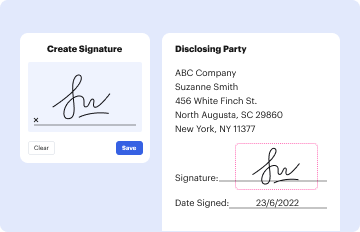
- Consent and Sign: Provide consent by signing the form, either digitally or physically, depending on the submission method.
- Submit the Form: Return the completed form to Zurich via their preferred submission method, whether online or by mail, to activate the service.
Importance of the Direct Debit Request Service Agreement
The Direct Debit Request Service Agreement is essential for policyholders who prefer streamlined, automated payment processes without the need for manual intervention. This agreement ensures:
- Timely Payments: Reduces the risk of missing due dates, thereby maintaining uninterrupted insurance coverage.
- Convenience: Automates the payment process, which is particularly beneficial for individuals with multiple policies.
- Cost-Effectiveness: Potentially reduces administrative costs associated with manual payment methods.
Typical Users of the Direct Debit Request Service Agreement
While the Direct Debit Request Service Agreement can be utilized by various individuals, it is typically employed by:
- Policyholders seeking hassle-free payment options: Individuals and businesses looking for a convenient and reliable way to manage insurance premiums.
- Financially Savvy Consumers: Those who want to leverage automated systems for better financial management and to avoid late fees.
Key Elements of the Direct Debit Request Service Agreement
This agreement consists of several crucial components that ensure clarity and protection for all parties involved:
- Account Information Section: Details regarding the account to be debited, including bank or credit card numbers.
- Authorization Statement: A legal section where the account holder consents to automatic debits.
- Privacy Clause: Outlines how Zurich will handle and protect personal and financial information.
- Amendment Rights: Describes the process for altering the agreement, such as changing account details or payment frequency.
Legal Use of the Direct Debit Request Service Agreement
The legal standing of the Direct Debit Request Service Agreement is backed by compliance with financial regulations that govern electronic payments. It acts as a formal contract ensuring all parties adhere to the agreed payment terms. By signing this agreement, policyholders authorize Zurich to initiate transfers from their designated account, thereby forming a legally binding commitment. Benefits include simplified compliance with insurance payment obligations and minimizing disputes over payment collection.
Submission Methods for the Agreement
Zurich offers several ways to submit the completed Direct Debit Request Service Agreement, catering to different preferences:
- Online Submission: Through the Zurich website or secure customer portal.
- Mail Submission: Send the physical form to Zurich's designated address, ensuring all information is complete and accurate.
- In-Person Submission: Available at certain Zurich offices or through authorized agents.
Important Terms and Conditions
The Direct Debit Request Service Agreement is accompanied by a set of terms and conditions that provide guidance and restrictions related to its execution:
- Modification Clause: Allows modifications with mutual consent, such as updating account information.
- Cancellation Policy: Describes the process for withdrawing consent and stopping the direct debit arrangement.
- Error Resolution Procedures: Details the steps to follow if errors are detected in account debits.
Compliance with these terms is vital to ensuring both parties have a clear understanding and maintaining the integrity of the payment process.




