



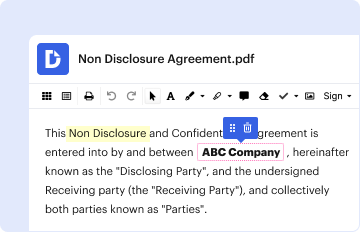
01. Edit your form online
Type text, add images, blackout confidential details, add comments, highlights and more.

Type text, add images, blackout confidential details, add comments, highlights and more.
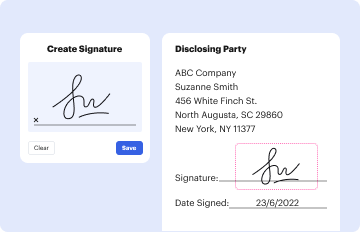
Draw your signature, type it, upload its image, or use your mobile device as a signature pad.

Send it via email, link, or fax. You can also download it, export it or print it out.
An "Affidavit for Order for Appearance and" is a legal document used primarily in the U.S. judicial system. This form serves as a formal declaration, sworn under oath, typically requiring a third party to appear in court. The purpose is to examine the third party about their knowledge of a judgment debtor's property or debts. The affidavit is integral in cases where a creditor is seeking information to collect a debt or enforce a judgment.
To utilize this affidavit effectively, the filing party must have an existing judgment against a debtor. The affidavit targets a third party possibly in possession of the debtor’s assets.
Successfully completing this form involves several detailed steps. Each section must be filled accurately, reflecting the specific circumstances of the case.
Gather Necessary Information:
Fill Out Personal and Case Details:
Draft the Statement of Facts:
Understanding key terms associated with this affidavit is crucial for proper execution and compliance.
This affidavit has specific legal grounds and applications within the court system to ensure compliance and effectiveness.
A comprehensive understanding of the affidavit's elements is critical for ensuring accuracy and legal effectiveness.
This affidavit's application and requirements can differ by state due to varying local laws.
The affidavit process requires supporting documentation that corroborates the claims made within it.
We've got more versions of the AFFIDAVIT FOR ORDER FOR APPEARANCE AND form. Select the right AFFIDAVIT FOR ORDER FOR APPEARANCE AND version from the list and start editing it straight away!
At DocHub, your data security is our priority. We follow HIPAA, SOC2, GDPR, and other standards, so you can work on your documents with confidence.
Mar 27, 2026 Family Court: Application and Affidavit: Registration of Out-of-State Child Custody Order - SCCA458A; Notice: Registration of Out-of-State ChildRead more
Asks the court to order, and orders the judgment debtor or a third party holding the judgment debtors property to appear at court to answer your questions.Read more
Aug 7, 1998 affidavit attempts to create the appearance that reverse engineering I REFUSED to do for the FBI was legal before July 27, 1992, the date ofRead more


