




01. Edit your sss company representative identification card online
Type text, add images, blackout confidential details, add comments, highlights and more.

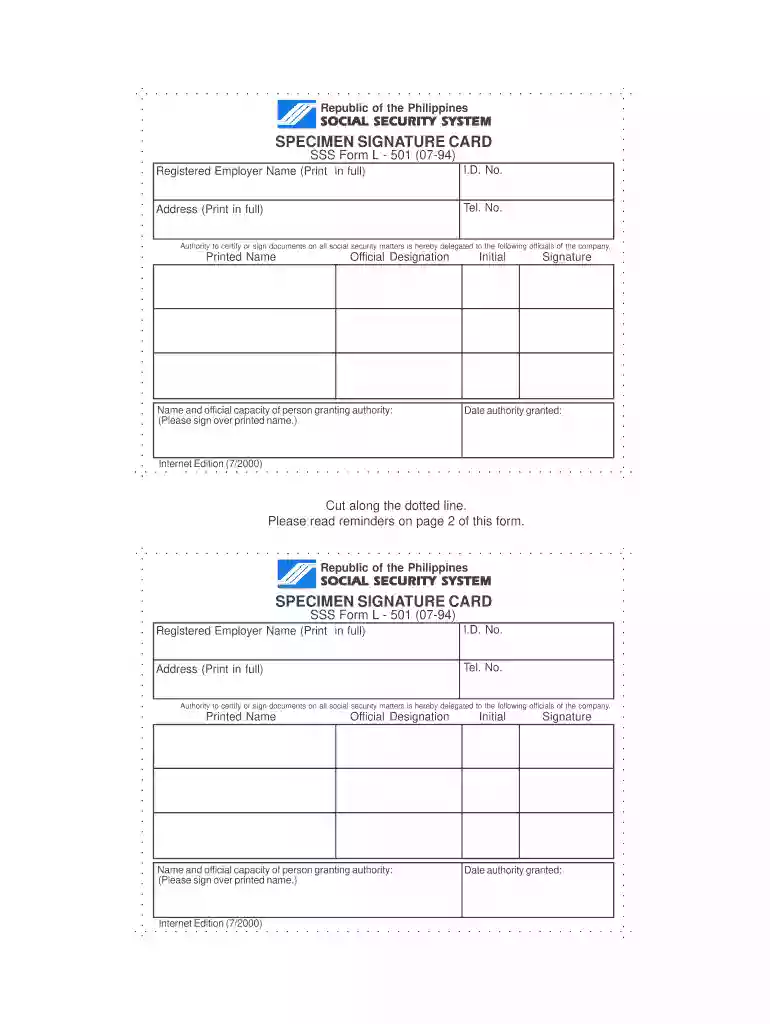
Type text, add images, blackout confidential details, add comments, highlights and more.

Draw your signature, type it, upload its image, or use your mobile device as a signature pad.

Send company representative identification card sss via email, link, or fax. You can also download it, export it or print it out.
The SSS company representative identification card is an official document that certifies individuals authorized by a company to represent it in matters related to the Social Security System (SSS) in the Philippines. This identification card is crucial for businesses as it facilitates processes such as the submission of contributions, accessing member data, and signing various documents on behalf of the company.
The key functions of the SSS company representative identification card include:
Having a properly issued identification card helps mitigate issues related to regulatory compliance and establishes trust with the SSS, ensuring that only authorized personnel can manage sensitive social security matters.
Obtaining the SSS company representative identification card involves a straightforward process that requires submission of specific documents and application forms. Companies must ensure that their representatives comply with the following steps:
Preparation of Required Documents:
Completion of the Application Form:
Submit the Application:
Wait for Processing:
Companies should routinely check for any updates or specific guidelines issued by the SSS regarding the application process to ensure compliance.
The SSS company representative identification card contains essential information necessary for its function as an official identification method. The key elements generally include:
Understanding these elements is crucial not only for the representative but also for the company to ensure proper use and maintenance of the identification card, as it must be renewed or updated when necessary.
Familiarity with certain terms can enhance understanding of the SSS company representative identification card and its implications. Important terminology includes:
This terminology underpins the legal and operational framework surrounding the issuance and utilization of the identification card, ensuring that companies understand their obligations and rights.
Filling out the SSS company representative identification card accurately is essential for successful application. The crucial steps in completing the card include:
Personal Information:
Company Details:
Authorization Details:
Signature:
Following these steps ensures that the application for the identification card is comprehensive, minimizing the risk of rejection or additional queries from the SSS.
The SSS company representative identification card serves various legal purposes once obtained. Here are key points about its legal applications:
Understanding the legal implications of the SSS company representative identification card is vital for both the representative and the company, ensuring adherence to regulatory obligations and protecting the rights of employees under the social security system.
At DocHub, your data security is our priority. We follow HIPAA, SOC2, GDPR, and other standards, so you can work on your documents with confidence.
Official website of the U.S. Social Security Administration.
Filed by Household Employer's Representative Present the following: 6.1 Original copy of any one (1) of the Household Employer Representative's primary ID cards ...
The Social Security System is a state-run, social insurance program in the Philippines to workers in the private, professional and informal sectors. SSS is ...


