
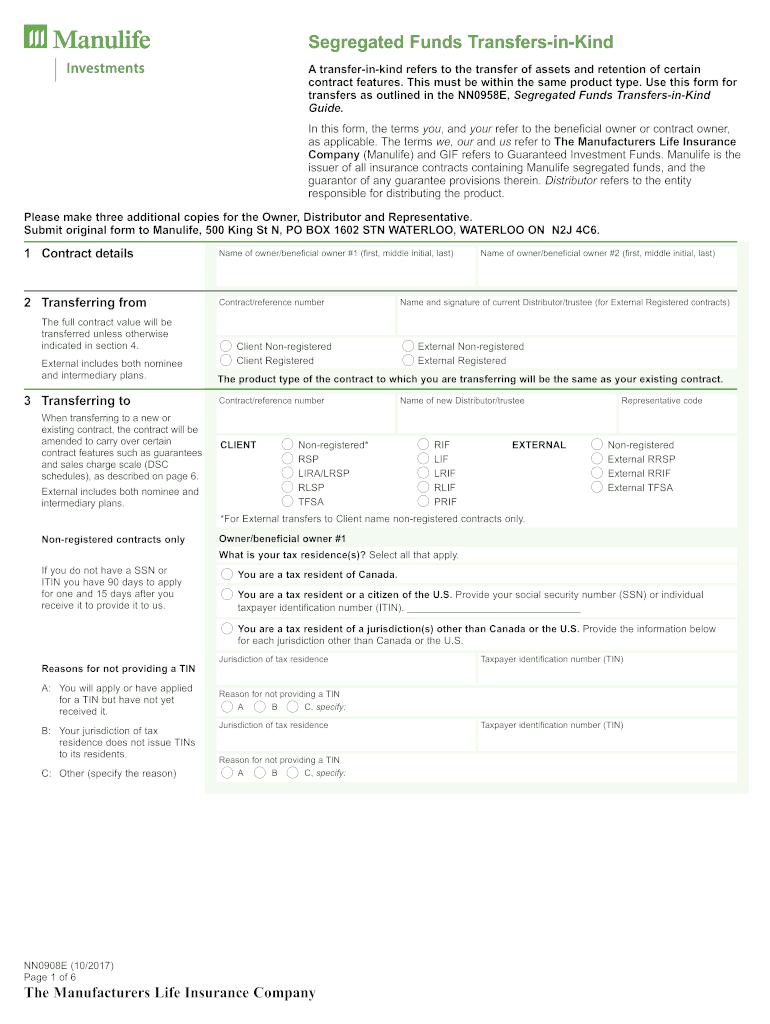







Definition & Meaning
Segregated funds are a type of investment typically offered by insurance companies. They combine features of both mutual funds and life insurance contracts, providing unique benefits like creditor protection and a guarantee of the invested capital. Within the U.S., segregated funds are often compared to mutual funds for their investment structure, but they introduce elements of life insurance agreements, making them a distinct choice for investors seeking both growth potential and a level of financial security.
Important Terms Related to Segregated Funds
Understanding segregated funds requires familiarity with several key terms:
- Policyholder: The individual or entity owning the segregated fund contract.
- Beneficiary: The person designated to receive the benefits of the fund upon the policyholder's death.
- Maturity Guarantee: A promise that a percentage (typically 75-100%) of the investor's initial capital will be returned at the end of the term or on death, less any withdrawals.
- Funds Value: The market value of the investments at a given time.
- Death Benefit: A payout to the beneficiary if the policyholder passes away, potentially providing a financial safety net.
How to Use Segregated Funds
To utilize segregated funds, investors typically engage through insurance companies, signing a contract that specifies investment terms. Users must decide on:
- Investment Amount: How much capital to allocate.
- Investment Strategy: Choosing from various funds based on risk tolerance and financial goals.
- Beneficiary Designation: Who will benefit from the death benefit component.
These funds are particularly attractive for individuals seeking both asset growth and specific protections not offered by traditional mutual funds, such as creditor protection, which can be especially beneficial for business owners or those with significant financial liabilities.
Steps to Complete the Segregated Funds Contract
When entering into a segregated funds contract, follow these steps:
- Research & Select Provider: Evaluate insurance companies offering segregated funds.
- Review Policy Details: Understand fees, guarantees, and investment options.
- Complete Application: Fill out necessary forms, providing personal, financial, and beneficiary information.
- Submit Required Documents: Evidence of identity and potential financial background check.
- Finalize Contract: Upon approval, review and sign the final policy documents.
The process allows comprehensive customization of the investment approach to align with long-term financial objectives and personal circumstances.
Legal Use of Segregated Funds
Segregated funds must be used in compliance with U.S. regulations, which offer certain protections under state and federal law. One legal advantage includes the potential to shield assets in the event of bankruptcy due to their insurance contract status. Investors need to be mindful of laws that govern insurance products, ensuring proper designation of beneficiaries and adherence to policy terms for tax and legal consequences.
Who Typically Uses Segregated Funds
These investment vehicles are commonly used by:
- Business Owners: Seeking creditor protection.
- Retirees: Looking for a combination of investment growth and capital protection.
- High-net-worth Individuals: Desiring structured estate planning.
- Risk-averse Investors: Preferring guaranteed returns at the end of the term.
Understanding specific user scenarios helps inform strategic decisions aligning financial needs with investment benefits.
Key Elements of Segregated Funds
Central to understanding segregated funds are their core elements:
- Guarantee Levels: Often provide 75-100% return of the principal after a fixed term.
- Insurance Component: Includes a life insurance aspect, providing additional financial security.
- Investment Options: Diverse fund choices to align with individual risk profiles and objectives.
- Tax Implications: Potential differences from traditional investments, such as deferment of taxes.
Each element offers a unique feature set, blending growth potential with protective benefits.
Examples of Using Segregated Funds
Consider a business owner concerned about potential financial liabilities; investing in segregated funds could safeguard personal assets while providing investment growth. Retirees might use them to reduce financial risk, ensuring a portion of their investment is secure for their beneficiaries. These scenarios illustrate how segregated funds can be strategically leveraged to meet varied financial planning needs and goals.
Required Documents
To invest in segregated funds, prepare the following documents:
- Identity Verification: Government-issued ID and social security number.
- Financial Statement: To establish investment capabilities.
- Beneficiary Information: Designation requires accurate personal details.
- Completed Application Forms: As specified by the insurance provider.
These documents ensure compliance with legal standards and facilitate a smooth investment process.
State-Specific Rules for Segregated Funds
Some states may have unique regulations affecting the use of segregated funds, particularly concerning creditor protection and tax treatment. Investors should consult legal and financial advice specific to their state of residence to ensure compliance with local laws and optimize the benefits of segregated funds within a comprehensive financial strategy.




