






Definition and Purpose of a Letter of Responsibility
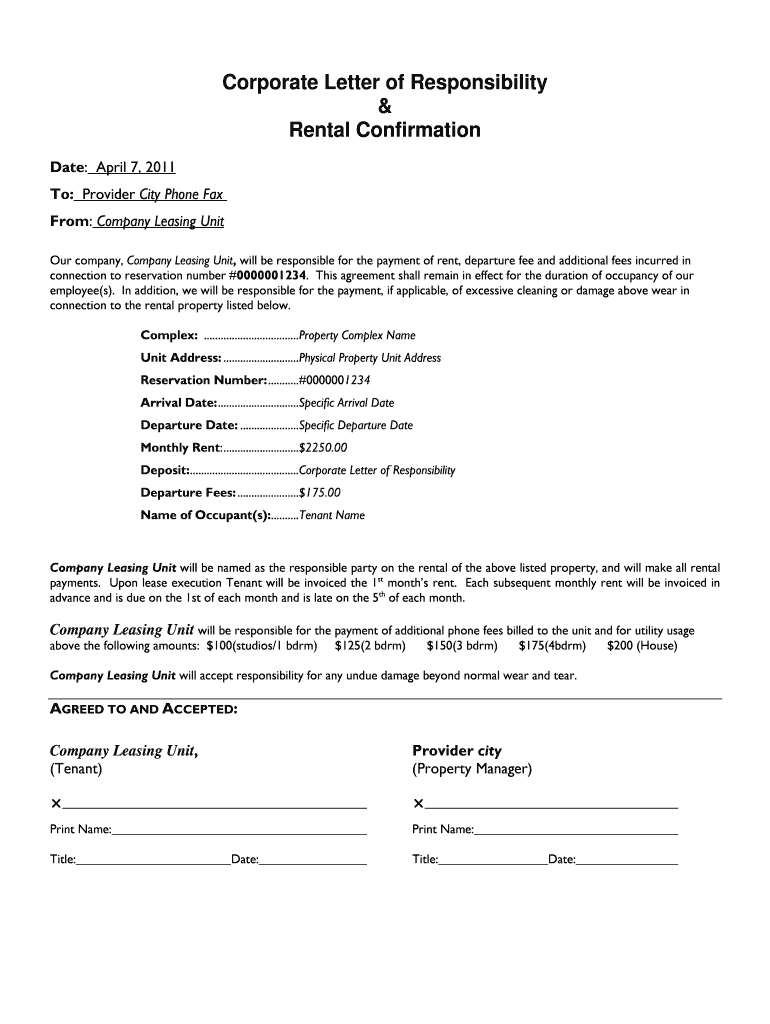
A letter of responsibility is a formal document that outlines an individual's or organization's commitment to fulfilling specific obligations. This type of letter is often used in various contexts, including employment agreements, rental agreements, and financial commitments. The letter serves as a binding acknowledgment of responsibility, detailing the parties involved, the obligations to be met, and the consequences for failing to uphold those responsibilities.
Key Features of a Letter of Responsibility
- Clear Recipients: It specifies who is responsible for the actions or obligations mentioned.
- Duration: The letter often includes the time frame during which the responsibilities shall be upheld.
- Conditions: Conditions under which the responsibilities may change or end are typically stated.
This type of document is crucial in formal settings, providing clarity and ensuring that all parties understand their roles and commitments.
How to Use the Letter of Responsibility Template
Using a letter of responsibility template can greatly simplify the process of drafting a formal document. The template acts as a foundational structure, allowing users to focus on filling in relevant details rather than creating the document from scratch.
Steps to Utilize the Template
- Select the Template: Choose a letter of responsibility template that fits your specific needs. Ensure that it is comprehensive enough to cover all necessary areas.
- Fill in Relevant Details: Enter the specific information related to your situation, including names, dates, and obligations.
- Customize As Needed: Tailor the content to reflect any unique requirements or circumstances relevant to your situation.
- Review for Accuracy: Before finalizing, verify that all the information is accurate and complete.
Using a well-crafted template ensures that important components are not overlooked, making the document valid and enforceable.
Key Elements of the Letter of Responsibility Template
A robust letter of responsibility should include several critical components to ensure clarity and enforceability. These elements help define the responsibilities and rights of all parties involved.
Essential Components
- Title: A clear title stating the nature of the document.
- Date: The date on which the letter is created.
- Parties Involved: Names and descriptions of all parties responsible.
- Defined Responsibilities: Detailed description of each party's obligations.
- Consequences of Breach: Explanation of penalties or consequences if responsibilities are not met.
- Signature Block: Spaces for signatures, ensuring all parties acknowledge the document.
These elements collectively establish a comprehensive understanding of responsibilities and help prevent disputes.
Examples of Using the Letter of Responsibility Template
Understanding practical applications of a letter of responsibility enhances its relevance. Here are several scenarios where this document could be applicable:
Common Use Cases
- Rental Agreements: A letter confirming that a tenant will be responsible for rent payments and maintenance of the property.
- Employment Contracts: Formal acknowledgment by an employee regarding their obligations in terms of job performance and adherence to company policies.
- Financial Agreements: A document that outlines an individual’s responsibilities in repaying loans or financial commitments.
These examples illustrate the versatile nature of the letter and its importance across various endeavors.
Important Terms Related to the Letter of Responsibility Template
Familiarizing oneself with key terms related to a letter of responsibility can help in understanding its implications and utility. Here are critical terms one should be aware of:
Key Terminology
- Obligation: A duty or responsibility that is legally or morally bound.
- Withholdings: Deductions from payments that can affect financial responsibilities.
- Liability: The state of being responsible for something, particularly in a legal context.
- Default: Failure to fulfill a financial obligation or duty.
These terms provide a foundation for understanding the responsibilities outlined in the letter and the legal obligations that may arise from it.