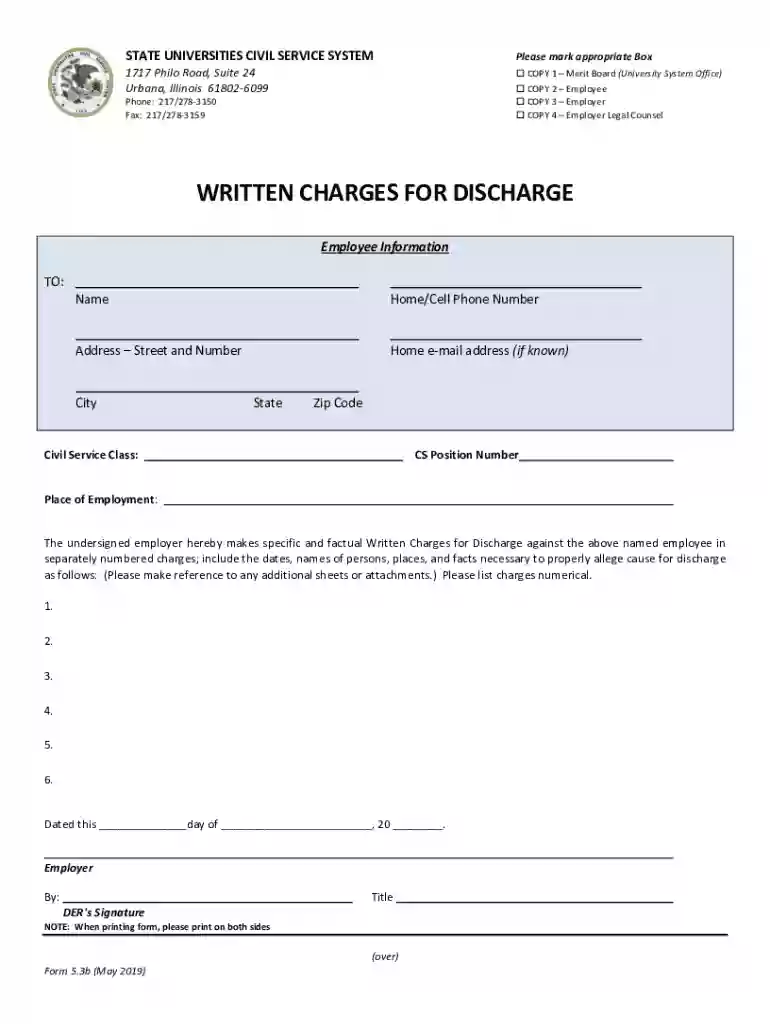
Definition & Meaning
The "Civil Service New Hire Employee Checklist & Information" is a comprehensive guide used by new employees within the civil service sector to ensure they complete all necessary onboarding tasks. This form is designed to streamline the transition into public service roles, detailing essential steps such as completing tax forms, understanding benefits, and abiding by employment policies. The checklist serves both as a practical guide and a confirmation tool to ensure that new hires are fully compliant with employment requirements.
Purpose and Objectives
- Ensure employees complete all required onboarding documentation.
- Provide a structured approach to familiarize new hires with workplace policies.
- Serve as an official record to confirm that all employment obligations are met.
Key Features
- Lists mandatory forms and documents for new employees.
- Outlines important steps such as selecting benefits and setting up payroll information.
- Includes sections on training modules and introductory meetings.
How to Use the Civil Service New Hire Employee Checklist & Information
Using the checklist effectively involves understanding the sequence of steps and the materials required to complete each task. New hires should refer to the checklist regularly during their initial weeks of employment.
Steps to Follow
- Review the Checklist: Start by reading through the entire checklist to understand all the tasks at hand.
- Gather Required Documents: Collect necessary identification documents, tax forms like W-4, and proof of eligibility to work in the U.S.
- Complete Employment Forms: Ensure all employment forms are correctly filled out and submitted, including direct deposit setups for payroll.
- Attend Orientation Sessions: Participate in scheduled orientation and training sessions as outlined in the checklist.
Tips for Effective Use
- Highlight completed items to track progress.
- Keep all documents organized in a dedicated folder for easy access.
- Regularly update your supervisor or HR contact on your progress.
Steps to Complete the Civil Service New Hire Employee Checklist & Information
Completing the checklist requires attention to detail and adherence to prescribed procedures.
Detailed Process
- Initial Documentation: Fill out and submit necessary forms such as the I-9, W-4, and any other tax-related documents.
- Benefit Selection: Review available benefits, including health insurance and retirement plans, and complete the respective enrollment forms.
- Training and Development: Register for and attend any mandatory training programs as indicated on the checklist.
- Policy Acknowledgment: Read and sign off on company policies, including those related to confidentiality, code of conduct, and IT usage.
Continuing Obligations
- Regularly check for updates to any policies that may require your attention or re-certification.
- Engage with continuous learning opportunities as they become available.
Key Elements of the Civil Service New Hire Employee Checklist & Information
Certain elements of the checklist are critical to ensuring compliance and a smooth transition into civil service roles.
Important Components
- Employee Information: Basic personal and employment details for official records.
- Employment Eligibility: Verification of legal eligibility to work in the U.S. through I-9 documentation.
- Payroll Information: Direct deposit setup and tax withholding preferences.
- Benefits Enrollment: Health, dental, and other benefits package selections.
Examples of Key Tasks
- Completing orientation questionnaires.
- Submitting emergency contact information.
- Acknowledging receipt of the employee handbook.
User Categories
- New Hires: Individuals recently employed by a government department or agency.
- Human Resources Personnel: Responsible for guiding new hires through the onboarding process and ensuring all documentation is complete.
- Supervisors and Managers: Oversee the onboarding procedure and ensure that new employees are integrated into their respective teams.
Role in Onboarding
- Assists HR in tracking the progress and completion of onboarding requirements.
- Enables management to verify that new hires are prepared to undertake their roles effectively.
Legal Use of the Civil Service New Hire Employee Checklist & Information
The legal framework surrounding the checklist ensures that all necessary steps comply with federal and state employment laws.
Compliance and Regulations
- Federal Compliance: Adheres to requirements set by bodies such as the U.S. Department of Labor for employment eligibility and employee benefits.
- State-specific Requirements: May include additional procedures depending on state laws affecting civil service employment.
Importance of Compliance
- Mitigates legal risks related to employment disputes.
- Ensures transparency and fairness in the onboarding process.
State-specific Rules for the Civil Service New Hire Employee Checklist & Information
Different states may have unique requirements for civil service onboarding. Understanding these state-specific rules is crucial for compliance.
Variations Across States
- Additional documentation may be required for state-specific benefits.
- Certain states might have diversity and inclusion programs integrated into the onboarding process.
How to Navigate State Rules
- Consult the state's civil service commission or a relevant HR expert to obtain tailored guidance.
- Keep up to date with any legislative changes affecting civil service employment within your state.
Examples of Using the Civil Service New Hire Employee Checklist & Information
Practical scenarios can illustrate how the checklist operates in real-world settings.
Case Studies
- A new hire struggling with the enrolment process for health benefits receives guidance from HR representatives using the checklist.
- A recently promoted manager uses the checklist to orient new team members efficiently, ensuring all documentation is finalized in a timely manner.
Lessons Learned
- Emphasizing the importance of timelines helps avoid delays in benefits activation.
- Regular follow-up with HR ensures all tasks are completed correctly and efficiently.
Required Documents
Ensuring that all necessary documents are prepared and submitted is vital to completing the onboarding process smoothly.
Essential Documentation
- Identification Documents: A valid driver’s license, passport, or Social Security card.
- Tax Forms: The W-4 form for withholding preferences.
- Employment Eligibility Verification: Complete and accurate I-9 form submissions.
Tips for Document Preparation
- Double-check all documents for accuracy before submission.
- Maintain copies of submitted documents for personal records.
Through comprehensive coverage of these topics, the content detailed here offers an extensive and informative guide to understanding and utilizing the "Civil Service New Hire Employee Checklist & Information" effectively.