





Definition and Meaning of Real Estate Transfer FAQs
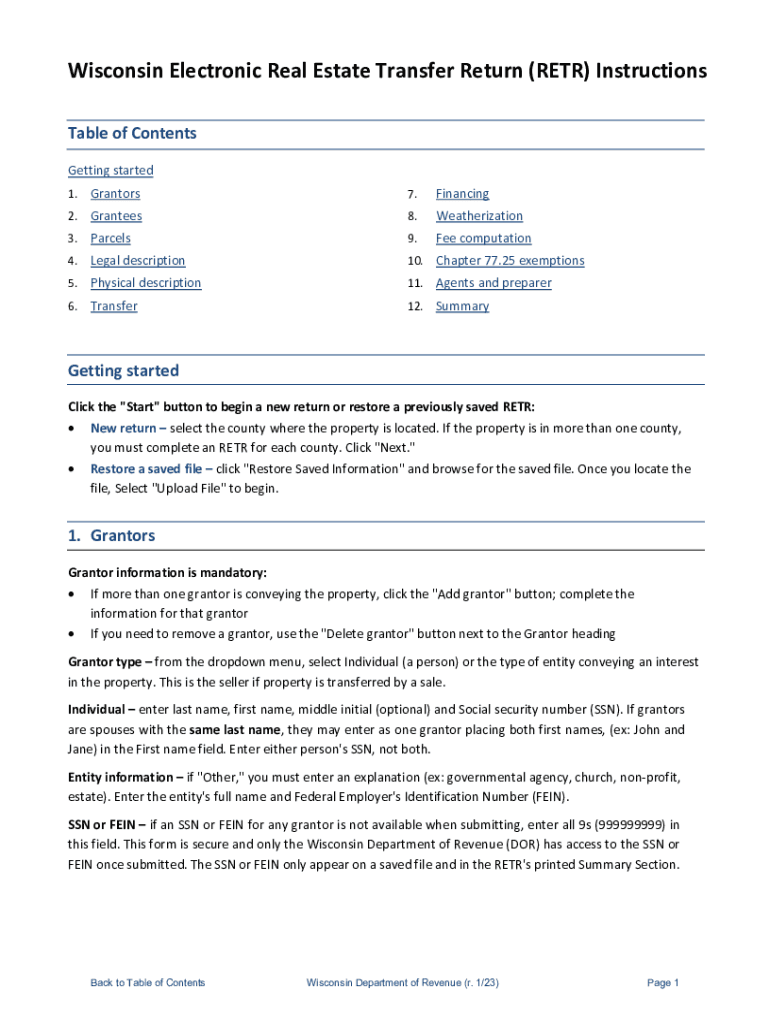
Real Estate Transfer Frequently Asked Questions/Answers encompass a collection of common inquiries and clear, concise responses related to the process of transferring real estate ownership. These FAQs serve to guide grantors (sellers) and grantees (buyers) through complex real estate transactions, facilitating a smooth, well-informed transfer by addressing common issues such as legal requirements, procedural steps, and common complications. This makes it essential for parties involved to understand and utilize these materials to ensure compliance and efficiency in their estate dealings.
Components of Real Estate Transfer FAQs
- Purpose: To provide clarity on various aspects of real estate transfers, from legal obligations to procedural nuances.
- Elements: Include questions about necessary documentation, legal terminology, common pitfalls, and state-specific regulations.
- Users: Typically used by individuals involved in real estate transactions, including property owners, real estate agents, legal professionals, and financial advisors.
How to Use Real Estate Transfer FAQs
Step-by-Step Guide
- Identify Your Questions: Before consulting the FAQ, outline specific topics or questions you need answers to.
- Locate Relevant Topics: Use the FAQ index or table of contents to find sections related to your queries.
- Analyze Answers: Compare the provided answers with your situation to verify relevance and applicability.
- Consult Additional Resources: For complex scenarios or unresolved questions, refer to supplementary legal documents or consult a professional.
- Implement Guidance: Apply the insights gained to your real estate transfer process, ensuring compliance with applicable regulations for a smooth transaction.
Required Documents for Real Estate Transfer
Necessary Papers
- Deed: Legal document evidencing property ownership.
- Title Report: Verification of the property's legal status.
- Tax Clearance Certificate: Confirmation of settled tax obligations.
- Bill of Sale: Details the transfer of property, occasionally used alongside the deed for personal property inclusions.
- Mortgage Statements: Current loan details affecting the property.
Supplemental Documentation
- Disclosure Forms: Required revelations about the property's condition and legal status to the buyer.
- Certificate of Real Estate Transfer Taxes: Proof that applicable taxes have been addressed.
Steps to Complete Real Estate Transfer
Detailed Process
- Prepare Documentation: Gather essential documents like deeds and certificates.
- Verify Information: Ensure all legal descriptions and personal data are correct and up to date.
- Submit Deed for Recording: After execution, present the deed to the local government office for official recording.
- Pay Transfer Taxes: Determine applicable taxes and complete the transaction.
- Finalize Transfer: Confirm with involved parties—seller, buyer, lender—that all necessary steps are complete.
Considerations
- Ensure conformity with state-specific procedures to avoid legal challenges.
- Double-check the inclusion of all requisite supporting documentation to facilitate a seamless process.
Key Elements of Real Estate Transfer
Major Components
- Legal Descriptions: Precise, legally binding detail of the property’s location and boundaries.
- Property Type: Description of the property form, such as residential, commercial, or agricultural.
- Transfer Type: Identifies the nature of the sale—gift, inheritance, sale, or foreclosure.
Critical Details
- Party Identifications: Clearly denote grantor(s) and grantee(s) involved in the transaction.
- Financing Details: Outline terms and sources of purchase funding, where applicable.
State-Specific Rules for Real Estate Transfers
Variations Across States
- Regulatory Differences: States hold distinct procedures for property transfer, encompassing tax rates, necessary forms, and filing procedures.
- Mandatory Requirements: Varied stipulations for disclosures, such as environmental hazards and structural defects.
Considerations for Compliance
- Consult specific state guidelines and seek professional advice to meet unique requirements, reducing risks of delays or penalties.
Examples of Using Real Estate Transfer FAQs
Practical Scenarios
- First-Time Buyers: Utilize FAQs to grasp basic transfer processes and necessary documents.
- Real Estate Investors: Reference to ensure compliance with legal requirements for multiple property transactions.
- Legal Assistants: FAQ use to support real estate lawyers by clarifying procedural ambiguities.
Case Study
- A couple purchasing their first home reviews FAQs to understand the legal terms within their purchase agreement, ensuring informed decision-making and awareness of their rights and obligations.
Legal Use of Real Estate Transfer FAQs
Compliance and Obligations
- Ensure that all parties involved in the transaction are aware of their rights and responsibilities as defined in the legal FAQs.
- Retain documentation for potential legal disputes, illustrating adherence to recommended practices and legal stipulations.
Legal Contexts
- Address property disputes, title issues, and tax implications with the aid of legally-reviewed FAQ guidance as a preliminary resource before seeking further legal counsel.
Penalties for Non-Compliance in Real Estate Transfer
Potential Consequences
- Financial Penalties: Incurred for incorrect or incomplete document submission.
- Legal Challenges: Failure to comply with state-specific regulations may lead to contested transfers.
- Delay Penalties: Rescheduling closing dates due to procedural errors or omissions.
Avoidance Strategies
- Conduct thorough document checks and seek professional advice when necessary to ensure process adherence and avoid penalties.
These blocks have been constructed to provide comprehensive guidance on various facets of real estate transfer while offering detailed insights into associated procedures, compliance requirements, and practical applications.