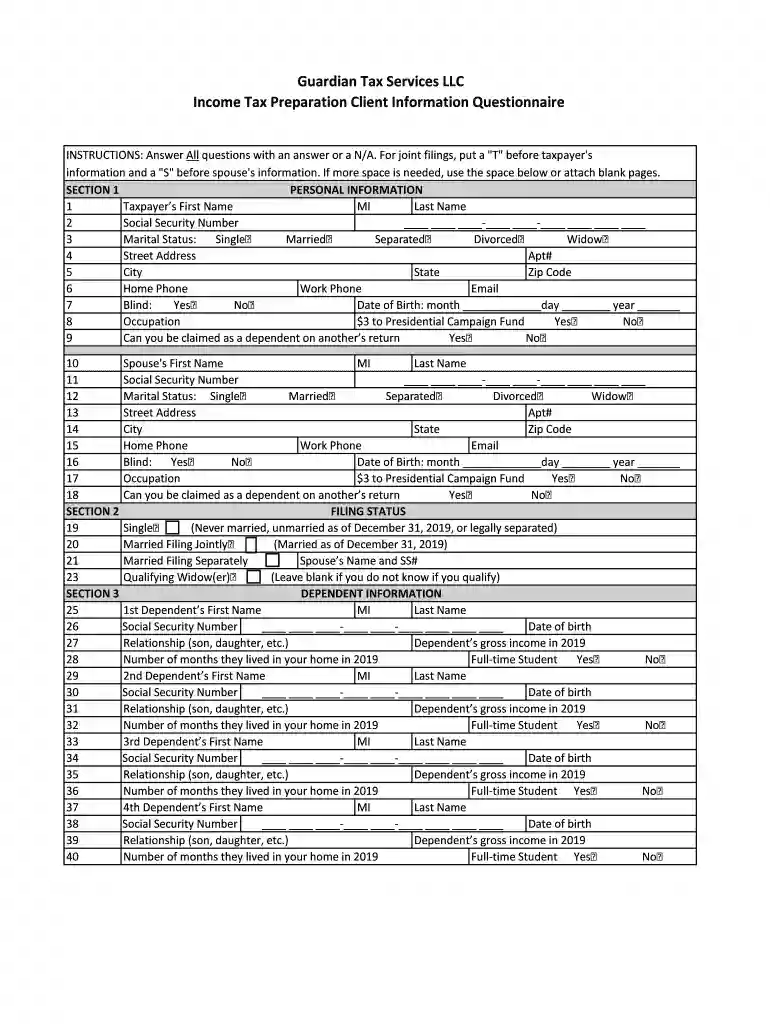
Definition & Meaning
The Earned Income Credit (EIC) from the Internal Revenue Service (IRS) is a benefit designed to assist low to moderate-income workers and families by reducing the tax owed and potentially providing a refund. This tax credit incentivizes employment and alleviates poverty by offering significant financial relief. EIC eligibility is primarily based on income level, filing status, and the number of qualifying children, reflecting its intention to support those most in need.
Purpose and Impact
- EIC aims to uplift working families, ensuring financial stability and promoting work.
- By lowering the tax burden, eligible recipients often receive a refund, which can provide critical support in everyday expenses like housing, food, and education.
- The credit has a ripple effect, boosting local economies as more individuals have disposable income to spend within their communities.
EIC Beneficiaries
The EIC primarily benefits low to moderate-income households, specifically:
- Singles or couples with children, as the credit amount increases significantly with each qualifying child.
- Individuals with limited income, as the threshold for eligibility limits the benefit to those genuinely in need.
- Workers in transitional employment phases, such as part-time workers or those experiencing temporary unemployment.
Income Thresholds
- The IRS sets specific income limits annually, which vary based on filing status and the number of qualifying children. These thresholds are crucial for determining eligibility.
Basic Requirements
To qualify for the EIC, individuals must meet several criteria, which include:
- Having earned income from employment or self-employment.
- Holding a valid Social Security number.
- Being a U.S. citizen or resident alien for the entire tax year.
- Not filing as "Married Filing Separately."
Additional Considerations
- Taxpayers without qualifying children must be between ages 25 and 65 and reside in the U.S. for more than half the year.
- Investment income must be below a certain limit, ensuring that only those reliant on earned income receive the credit.
Steps to Complete the EIC - Internal Revenue Service
Essential Guidelines
- Determine Eligibility: Use the IRS EIC Assistant tool to verify eligibility, ensuring that you meet income and citizenship requirements.
- Gather Necessary Documents: Collect income statements like W-2s and 1099s, and any documentation related to qualifying children.
- Complete the Form 1040: The EIC claim is made through Form 1040, and specific lines pertain to the EIC calculation.
- Attach Schedule EIC: If claiming children, Schedule EIC must be completed, listing each child's information like Social Security Number and age.
- Submit Taxes by Deadline: Ensure that the completed tax return is filed by the IRS deadline to avoid penalties or lost benefits.
Essential Documentation
To claim the EIC, taxpayers need:
- Income documentation such as W-2 or 1099 forms.
- Proof of qualifying children if applicable, such as birth certificates and school records.
- Valid Social Security Numbers for all claimants.
- Filing status confirmation to ensure eligibility for the credit.
Verification Process
- IRS may request additional verification, especially when claiming qualifying children, to prevent fraud and ensure compliance.
Official Regulations
The IRS provides extensive guidelines to help taxpayers understand and correctly claim the EIC:
- Publications like the IRS Publication 596 outlines credit requirements, tailored advice, and changes to income thresholds.
- The IRS website offers updated information and tools to help taxpayers determine eligibility and credit amounts.
Updates and Changes
- Annually, the IRS adjusts credit amounts, income thresholds, and rules based on legislative changes, inflation, and socio-economic factors.
Filing Deadlines / Important Dates
Key Timeframes
- EIC claims must be part of a timely-filed tax return, typically due on April 15 each year.
- Extensions to file (e.g., beyond the automatic six-month extension) must still fall within deadlines to claim the credit without penalty.
Penalties for Late Filing
- Late filing can lead to penalties and interest charges, reducing the benefit received from the credit.
- Missing documentation or inaccurate claims may delay processing and refund issuance.
Application Process & Approval Time
Streamlined Procedure
- Online Filing: Taxpayers can file their returns electronically using IRS Free File or commercial software.
- Paper Returns: Traditional paper form submissions are slower but still valid. Attach all required documentation for processing.
Timeline for Approval
- Electronic filers generally receive refunds faster, typically within 21 days, while paper submissions may take up to six weeks.
- Discrepancies or required verifications can delay processing times.
Penalties for Non-Compliance
Consequences of Misrepresentation
- Providing incorrect information, especially about income or qualifying children, can result in penalties.
- Fraudulent claims may result in prohibitive measures, such as being barred from claiming the EIC for up to ten years.
Resolution Procedures
- Taxpayers may appeal decisions or provide additional documentation if initially denied the EIC.
- The IRS offers support, including Taxpayer Advocate Services, to assist in resolving disputes or clarifying eligibility issues.
Important Terms Related to EIC - Internal Revenue Service
- Earned Income: Includes wages, salaries, and self-employment earnings, which are fundamental to basic eligibility.
- Qualifying Child: A child that meets relationship, age, residency, and joint return tests as outlined by the IRS.
- Investment Income Limit: A threshold ensuring the credit targets those primarily reliant on earnings from work rather than investments.
Additional Definitions
- Schedule EIC: A supplementary form specific to claiming qualifying children within the tax return.
- Resident Alien: Non-U.S. citizens who meet certain IRS tests, allowing them to access EIC benefits.