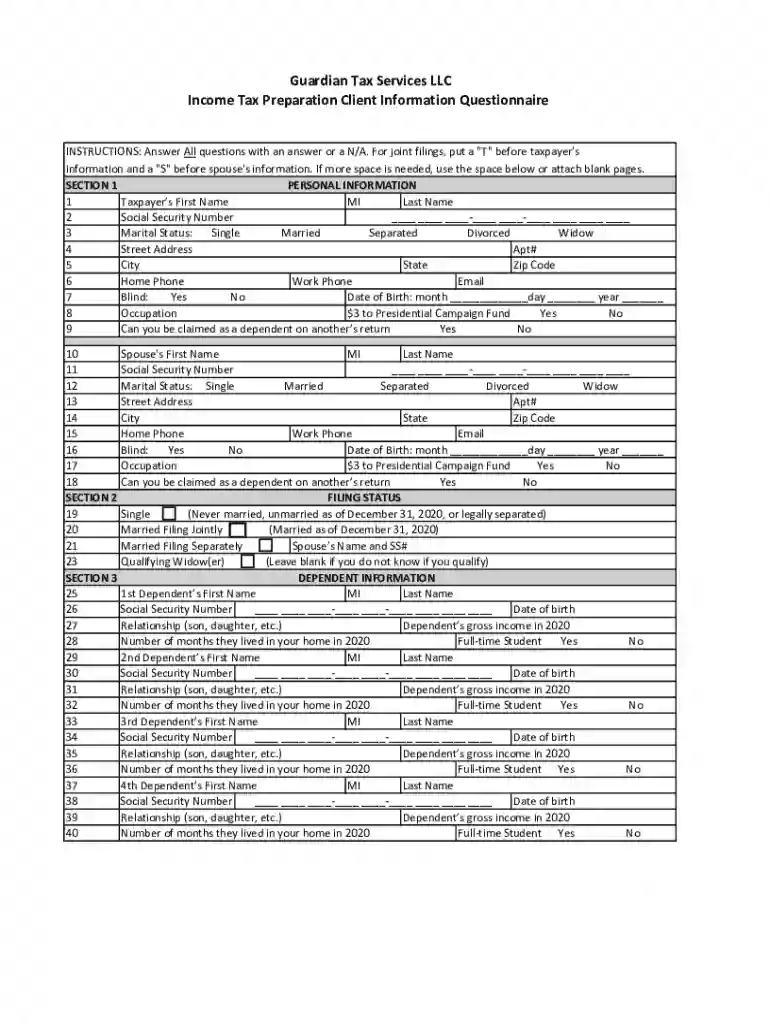
Tax Deductions for Funeral Expenses - TurboTax - Intuit 2026

Get Form
Tax Deductions for Funeral Expenses - TurboTax - Intuit Preview on Page 1

Here's how it works

01. Edit your form online
Type text, add images, blackout confidential details, add comments, highlights and more.

02. Sign it in a few clicks
Draw your signature, type it, upload its image, or use your mobile device as a signature pad.

03. Share your form with others
Send it via email, link, or fax. You can also download it, export it or print it out.

Understanding Tax Deductions for Funeral Expenses

Tax deductions for funeral expenses can alleviate some burdens during a financially trying time. These deductions primarily apply to estate taxes rather than personal income taxes. When an estate pays funeral expenses, those costs may reduce the estate's taxable income. It's crucial to understand that funeral expenses typically do not qualify for federal income tax deductions. However, they are deductible against the estate if the total estate value exceeds the federal estate tax exemption limit.

Breakdown of Allowable Funeral Expense Deductions

  1. Funeral Service Costs: These include service fees paid to funeral homes, including the cost of a hearse, embalming, and necessary service staff.
  2. Cemetery and Burial Plot Fees: Payments for purchasing burial plots, mausoleums, or the services related to grave openings and closing can be deductible.
  3. Obituaries and Memorial Items: Fees for publishing an obituary, as well as the cost of memorial items like flowers, remembrance cards, and programs, could be considered.
  4. Transportation Costs: Relevant travel expenses for transporting the deceased or immediate family members to the funeral site might qualify.

IRS Guidelines on Funeral Expenses Deductions

The IRS provides specific guidelines on what constitutes a deductible funeral expense. Expenses can only be deducted when paid by the estate and when the estate is subject to federal estate taxes. Personal expenses, such as travel costs for family members to attend the funeral, typically aren't deductible.

Key IRS Requirements

  • Estate Tax Form: Use Form 706, United States Estate (and Generation-Skipping Transfer) Tax Return, to report and deduct qualifying funeral expenses.
  • Documentation: Maintain thorough records, including receipts and invoices, to justify and validate deductions claimed.
  • Limitations: Ensure expenses don't exceed the gross estate value and fall within the decedent's lawful estate responsibility.

How to Utilize TurboTax for Funeral Expense Deductions

TurboTax provides tools that help users understand whether their estate is eligible for deductions related to funeral costs. The software guides users through inputting applicable expenses and assists in correctly completing Form 706.

TurboTax Features Supporting Funeral Expense Deductions

  • Guidance and Tips: Step-by-step instructions to determine eligible deductible expenses.
  • Automatic Calculations: TurboTax calculates all eligible deductions based on the input provided, ensuring compliance with IRS regulations.
  • Form Generation: Automatically generates IRS Form 706 suitable for estate tax filings with correctly calculated expenses.

Legal Use of Tax Deductions for Funeral Expenses

Estate executors must comply with both federal and state laws regarding the deduction of funeral expenses. It is crucial to ensure that all deductions claimed are legitimate and within the legal framework to avoid penalties for non-compliance.

Legal Considerations

  • Executor's Role: Executors must act in the best interest of the estate, ensuring deductions are justifiable and accurately reported.
  • State Laws: Be aware of any state-specific rules that might impact how funeral expenses are handled within estate tax filings.

Important Terms and Concepts

Understanding key terms can aid in navigating the complexities of tax deductions for funeral expenses:

  • Gross Estate: The total value of an individual’s estate before debts and taxes are deducted.
  • Estate Tax Exemption: The threshold under which the estate is not subject to federal estate tax.
  • Deductible Expenses: Costs that the IRS allows to be subtracted from the gross estate to lower the taxable amount.

Filing Deadlines and Required Documents

Adhering to filing deadlines is critical when claiming deductions for funeral expenses:

  • Deadline: Generally, IRS Form 706 must be filed within nine months of the decedent’s death.
  • Necessary Documents: Collect detailed expense evidence such as contracts, invoices, payment receipts, and third-party verifications.

Examples and Scenarios

Consider the following scenarios where funeral expenses might be deductible:

  • High-Value Estates: An estate valued well over the federal exemption might see substantial tax savings through careful deduction claims.
  • Complex Estates: Estates involving multiple beneficiaries or high-value assets typically benefit from professional advice to navigate deductions properly.

Penalties for Non-Compliance

Improperly claiming funeral expense deductions can lead to penalties:

  • Financial Penalties: Misreported deductions may incur monetary fines or lead to additional tax liabilities.
  • Audit Risks: Non-compliance increases the likelihood of IRS audits, demanding additional time and resources to resolve.

Understanding these aspects can help ensure that estate executors manage funeral expense deductions effectively, minimizing tax liabilities and adhering to legal mandates.

See more Tax Deductions for Funeral Expenses - TurboTax - Intuit versions

We've got more versions of the Tax Deductions for Funeral Expenses - TurboTax - Intuit form. Select the right Tax Deductions for Funeral Expenses - TurboTax - Intuit version from the list and start editing it straight away!
Versions Form popularity Fillable & printable
2023 4.9 Satisfied (60 Votes)
2021 4.7 Satisfied (55 Votes)
2020 4.5 Satisfied (38 Votes)
2019 4.4 Satisfied (23 Votes)
2017 4.7 Satisfied (26 Votes)
be ready to get more

Complete this form in 5 minutes or less

Get form

Got questions?

We have answers to the most popular questions from our customers. If you can't find an answer to your question, please contact us.
Contact us
Yes. Unsatisfied liabilities incurred by the decedent prior to his / her death are deductible against his/her taxable estate.
The 10 Most Overlooked Tax Deductions State sales taxes. Reinvested dividends. Out-of-pocket charitable contributions. Student loan interest paid by you or someone else. Moving expenses. Child and Dependent Care Credit. Earned Income Tax Credit (EITC) State tax you paid last spring.
You cant deduct funeral expenses on your personal income tax return because the IRS doesnt consider them qualified medical expenses. You can deduct funeral expenses if theyre paid using the estates funds, but only for estates that are subject to tax.
Deductions you can claim. How to claim deductions. Work-related deductions. Memberships, accreditations, fees and commissions. Meals, entertainment and functions. Gifts and donations. Investments, insurance and super. Cost of managing tax affairs.
What deductions are available to reduce the estate tax? Charitable deduction: If the decedent leaves property to a qualifying charity, it is deductible from the gross estate. Mortgages and debt. Administration expenses of the estate. Losses during estate administration.

Security and compliance

At DocHub, your data security is our priority. We follow HIPAA, SOC2, GDPR, and other standards, so you can work on your documents with confidence.

Learn more
ccpa2
pci-dss
gdpr-compliance
hipaa
soc-compliance
be ready to get more

Complete this form in 5 minutes or less

Get form

People also ask

Only estates can claim tax write-offs for funeral costs, not individuals. There are several costs that qualify, including: Embalming or cremation. Casket or urn.

Related links