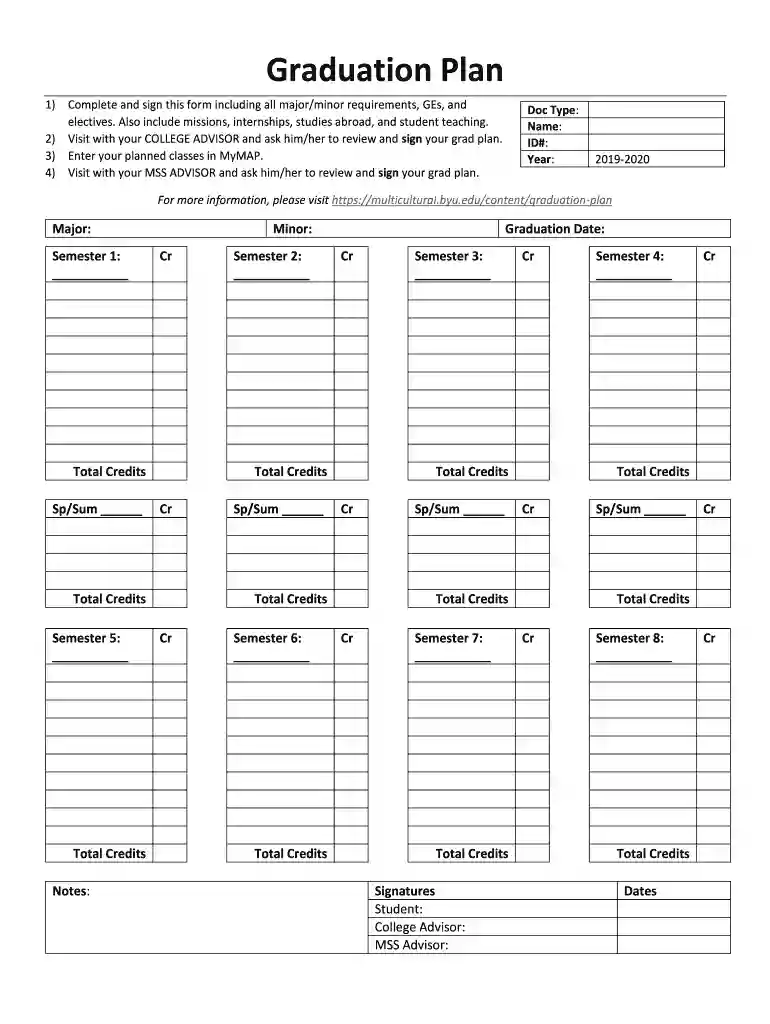
Definition & Meaning
The term "missions, internships, studies abroad, and student teaching" refers to various experiential learning opportunities that play a crucial role in educational development. These activities enhance a student's academic experience by providing practical, real-world exposure that goes beyond traditional classroom settings. "Missions" often include service-focused or religious initiatives, "internships" provide professional industry experience, "studies abroad" involve academic programs outside the student's home country, and "student teaching" refers to practical teaching experiences required for education majors.
Why Include Missions, Internships, Studies Abroad, and Student Teaching
Incorporating these experiences is essential for a comprehensive educational journey. They enable students to:
- Apply theoretical knowledge to practical situations, enhancing learning outcomes.
- Develop professional skills and networks, which are advantageous for future career prospects.
- Gain cultural competence and adaptability through exposure to diverse environments, especially significant in globally connected markets.
- Fulfill specific academic or credentialing requirements necessary for graduation in certain programs, particularly education degrees.
Who Typically Uses This Form
Educational institutions, academic advisors, and students themselves often use forms related to missions, internships, studies abroad, and student teaching. These forms document the participation and completion of such programs as part of a student's academic record. They can serve various purposes, such as verifying eligibility for credit transfer, satisfying graduation requirements, or applying for specific academic roles or positions.
How to Use This Form
Students typically need to:
- Identify the relevant experiential activity they wish to document or participate in.
- Obtain the form from their educational institution's registrar or departmental office.
- Complete personal and program-specific information detailing their involvement in a mission, internship, study abroad program, or student teaching.
- Submit the form for approval or as an official record, as required by their institution.
Steps to Complete the Form
- Gather Necessary Information: Students should compile all relevant details about their participation, including dates, locations, and contact information of participating organizations.
- Complete Student Information: Fill in personal identification details such as name, student ID, and academic program.
- Describe Experience: Provide a detailed description of the activity, including objectives, tasks performed, and skills developed.
- Get Required Signatures: Obtain signatures from program supervisors or academic advisors for validation.
- Submit and Follow Up: Submit through the prescribed means—online, via mail, or in person. Follow up to ensure the form is processed and recorded correctly.
Key Elements of the Form
- Student Information: Name, ID, contact information, and major.
- Activity Details: Title, description, dates, and locations of each activity.
- Learning Objectives and Outcomes: Specific goals intended and achievements gained.
- Approval Signatures: Necessary endorsements from supervisors and academic faculty.
- Feedback Section: Might include feedback or reflections from the participant or evaluator, if applicable.
Application Process & Approval Time
The application process usually involves several steps:
- Initial Consultation: Students should discuss their plans with an academic advisor to understand institutional requirements.
- Form Submission: Complete and submit the form with all necessary details and signatures.
- Review and Approval: The institution's relevant department will review the submission for compliance with academic requirements.
- Notification of Approval: Students will receive confirmation once the form is approved, usually within a few weeks.
Important Terms Related to the Form
- Experiential Learning: Educational approach emphasizing learning through doing.
- Credit Transfer: The process of recognizing academic credits from outside activities to count towards a degree.
- Cultural Competence: The ability to understand and interact effectively with people from different cultures.
- Professional Network: A social structure made up of individuals or organizations connected through professional or business relationships.
Examples of Using the Form
- Case Study 1: A student majoring in international relations submits their study abroad form to ensure their credits from a semester in Spain are counted towards graduation.
- Case Study 2: An education major submits a student teaching form to document their practicum requirements needed for teacher certification.
- Case Study 3: A business student completes an internship form to include their summer internship with a multinational corporation as part of their professional experience credits.
By comprehensively documenting these diverse educational experiences, students not only fulfill institutional requirements but also enrich their academic and professional journeys.