






Definition & Purpose of the Georgia 5347 Form
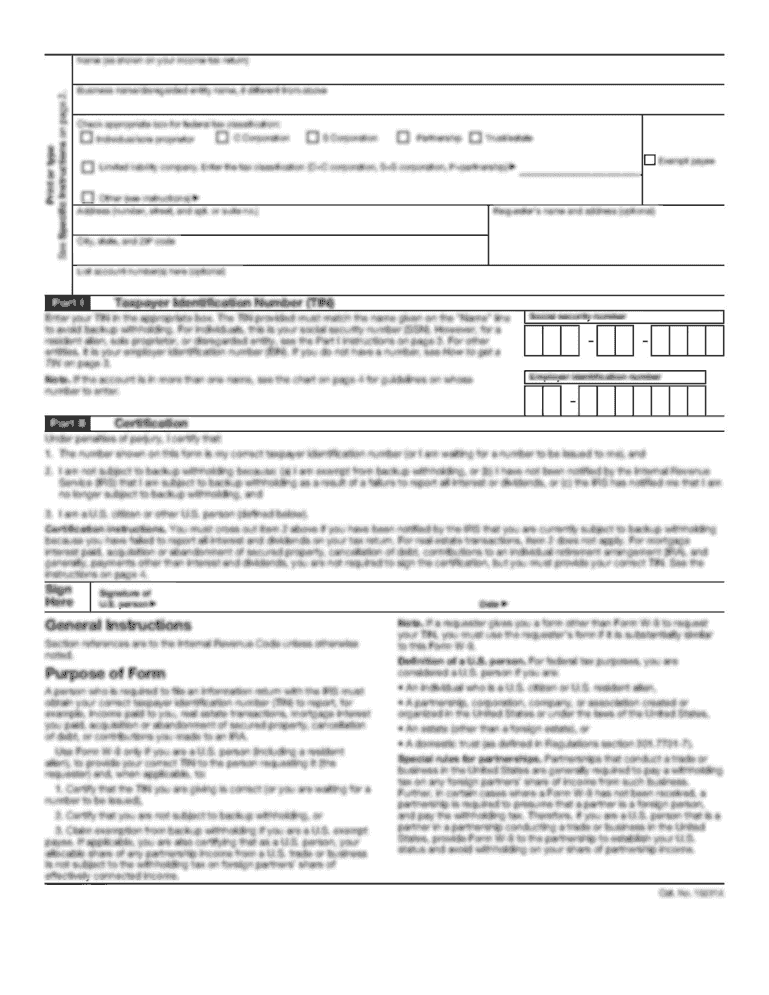
The Georgia Form 5347 is specifically designed for claiming a tax refund on behalf of a deceased taxpayer in Georgia. This form is an essential tool for personal representatives or surviving spouses to ensure that any taxes owed to the decedent are accurately refunded. The document collects necessary information about the decedent and the claimant, facilitating the legal process of transferring financial entitlements from the state to the rightful recipient.
Obtaining the Georgia 5347 Form
The Georgia 5347 Form can be accessed through various official channels. Individuals can download the form directly from the Georgia Department of Revenue’s website, which ensures access to the most updated version. Alternatively, the form can be obtained in person at local tax assistance centers. It is crucial to ensure that you have the correct version of the form to avoid any processing delays.
Steps to Complete the Georgia 5347 Form
Completing the Georgia 5347 Form requires careful attention to detail. Follow these steps for accurate completion:
-
Section for Decedent’s Information:
- Enter the full legal name, social security number, and date of death of the decedent.
-
Claimant’s Relationship:
- Specify the relationship between the claimant and the decedent to establish the legitimacy to file.
-
Filing Status Explanation:
- Indicate if you are filing as a surviving spouse or as a personal representative.
-
Verification Instructions:
- Complete any additional fields that verify your claim, including attaching necessary documentation.
-
Final Review and Signature:
- After filling out the respective sections, review for accuracy and sign the document.
Ensure you annex all required attachments before submission to avoid any delays or rejections in processing.
Key Elements of the Georgia 5347 Form
Critical components of the form include sections for the decedent's personal information, the claimant's details, and specific filing instructions based on the claimant's relationship to the deceased. Essential fields such as social security numbers and dates of death must be accurately filled out to prevent processing errors. Moreover, sections dedicated to verifying claims provide clear guidance on supplemental documents required to substantiate the refund request.
Eligibility Criteria for Using the Georgia 5347 Form
The eligibility to use the Georgia Form 5347 is typically limited to the following:
- Surviving Spouse: Must provide a marriage certificate or other legal documentation proving their relationship with the decedent.
- Personal Representative: Individuals in this role must offer evidence such as court orders or official documents appointing them as the executor of the estate.
Understanding these criteria is crucial to determine whether the Georgia 5347 Form applies to your specific scenario.


Filing Deadlines and Important Dates
Timeliness is vital when filing the Georgia 5347 Form. Generally, the form should be submitted as promptly as possible following the decedent’s death to align with the state’s regulation on refund claims. While specific deadlines might vary due to unique circumstances, it’s advisable to coordinate with local tax advisors to ensure compliance with any updated deadlines or extensions that may apply.
Required Documents for Submission
To facilitate a seamless filing process, attach these documents with your Georgia 5347 Form:
- Certified copy of the decedent’s death certificate.
- Legal documents proving the claimant’s right to file, such as marriage certificates or letters of administration.
- Any prior tax documentation that references the refund claim, assisting in substantiating the request.
These documents provide necessary substantiation, ensuring the tax claim is processed without legal impediments or delays.
Legal Usage and Compliance with the Georgia 5347 Form
Abiding by the legal standards associated with the Georgia 5347 Form is imperative. This form is utilized within the framework of state laws governing estate and tax refund claims of deceased individuals. Misuse or falsification of the form, or the information provided within it, may result in legal penalties or failure to receive the refund. It is recommended to consult with a tax attorney or accountant if any legal ambiguities arise during the process.
Examples of Using the Georgia 5347 Form
Consider a scenario where an individual must file a Georgia 5347 Form as a personal representative for a relative who passed away. The claimant provides the necessary documents, fills out the form with precision, submits supplemental legal notices, and successfully secures the refund. Reviewing case studies like these illustrates the practical application of the form and delineates common pitfalls to avoid.
Form Submission Methods: Online, Mail, and In-Person
The Georgia Form 5347 offers multiple submission methods to cater to diverse preferences. You can:
- Online Submission: If digital submission options are available, it can expedite processing times.
- Mail-In Option: Send the form and requisite documents to the designated address; a traceable method is advisable.
- In-Person Delivery: At designated tax offices, ensuring all documents are validated by professionals.
Each method features unique advantages, making it essential for filers to choose the most suitable option based on their circumstances and preferences.