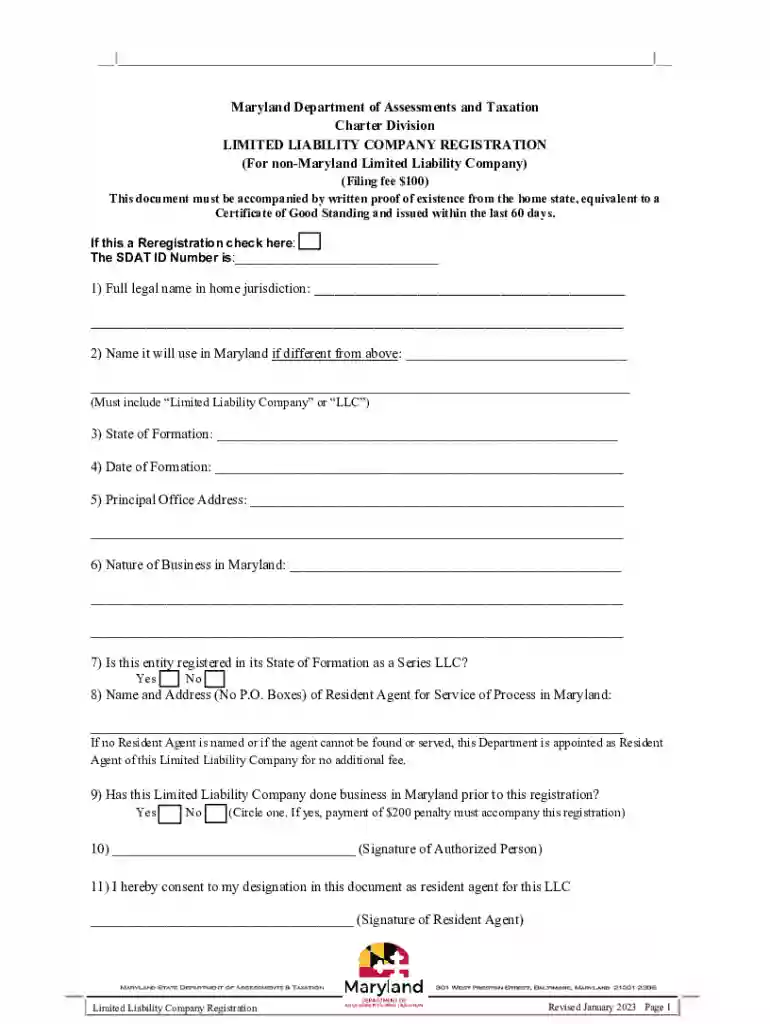
Definition & Meaning
A Limited Liability Company (LLC) is a legal entity that combines the flexibility of a partnership with the liability protection of a corporation. It is designed to safeguard the personal assets of its owners, known as members, while maintaining a more simplified operational structure. LLCs have gained popularity due to their versatility in ownership, taxation, and management structures. In the United States, the LLC is a common choice for businesses of various sizes seeking liability protection without the formalities associated with other business structures.
Steps to Complete the Limited Liability Company Registration
- Choose a Name for the LLC: Select a unique and compliant name for your LLC that adheres to your state’s naming regulations.
- Appoint a Registered Agent: Designate a registered agent to receive legal documents on behalf of the LLC.
- File Articles of Organization: Submit the required formation document, often referred to as Articles of Organization, with the appropriate state agency (typically the Secretary of State).
- Create an Operating Agreement: Draft an operating agreement outlining the management structure, member roles, and operating procedures of the LLC. Although not required in all states, it is highly recommended.
- Obtain an Employer Identification Number (EIN): Apply for an EIN from the IRS for tax purposes. This is necessary for opening a bank account and hiring employees.
- Meet Other State-Specific Requirements: Comply with additional state-specific registration requirements, such as publishing a notice in local newspapers in certain jurisdictions.
Key Elements of the Limited Liability Company Registration
- Name Reservation: Ensure the name is available and meets state naming conventions. It typically must include "Limited Liability Company" or an accepted abbreviation like "LLC" or "L.L.C.".
- Registered Agent: The registered agent must have a physical address within the state of registration and be accessible during regular business hours.
- Articles of Organization: This document contains essential information about the LLC, like its name, address, registered agent, and, optionally, management structure.
- Management Structure: Decide whether the LLC will be member-managed or manager-managed, impacting the way decisions are made within the company.
- Operating Agreement: Even though an operating agreement is not legally required in every state, it is beneficial for establishing clear member roles and operational guidelines.
State-Specific Rules for LLC Registration
LLC registration requirements can vary significantly between states. Some states impose additional requirements such as:
- Publication Requirements: States like New York and Arizona require LLCs to publish a notice of formation in a local newspaper for a specific duration.
- Annual Reports: Many states mandate LLCs to file annual or biennial reports to maintain good standing.
- Franchise Taxes: Certain states, such as California, levy an annual franchise tax or fee on LLCs.
- Industry-Specific Licenses and Permits: Depending on the nature of the business, industry-specific licenses may be required before an LLC can legally operate.
Required Documents for Registration
- Articles of Organization: The primary document to register the LLC, typically requiring details such as the LLC's name, main office address, and registered agent information.
- Operating Agreement: Although not filed with the state, this is an internal document that outlines ownership and operating procedures.
- Certificate of Good Standing: Required in some jurisdictions for LLCs expanding into new states.
- Foreign LLC Registration: Non-domicile LLCs operating in other states must file for a Certificate of Authority, proving legal operation in the home state.
Who Typically Uses the Limited Liability Company Registration
LLC registration is commonly used by:

- Entrepreneurs: Individuals looking to formalize a business idea with personal liability protection.
- Small Business Owners: Owners who desire a flexible management structure and pass-through taxation.
- Startups: Emerging ventures seeking investor participation without corporate formalities.
- Family Businesses: Multi-member LLCs facilitating the seamless transfer of ownership interests among family members.
- Single-Member LLCs: Sole proprietors aiming for liability protection without complicated corporate processes.
Legal Use of the Limited Liability Company Registration
Forming an LLC legally separates personal assets from business liabilities, which is essential for:
- Asset Protection: Shielding personal wealth from business-related lawsuits and debts.
- Future Growth: Allowing the business entity to enter contracts, open bank accounts, and hire employees under its own name.
- Facilitating Loans and Investments: Providing a framework that investors are familiar with and willing to engage with.
Penalties for Non-Compliance
There are various consequences for failing to maintain compliance with LLC regulations, including:
- Fines and Penalties: Non-filing of reports or failure to pay taxes can result in monetary penalties.
- Administrative Dissolution: The state may dissolve an LLC for persistent non-compliance, eliminating liability protection.
- Loss of Good Standing: Loss of good standing affects the LLC's ability to do business legally and enter into agreements.
Business Types that Benefit Most from LLC Registration
- Service-Based Businesses: Such as consulting firms, given the flexibility in ownership and liability protection.
- Professional Firms: Like law or accounting practices, where liability protection from malpractice is vital.
- Retail Operations: Desiring a simple yet protective business structure for managing multiple outlets.
An LLC offers a blend of simplicity and structure suitable for many American entrepreneurs and businesses, ensuring compliance with state-specific registration nuances.