
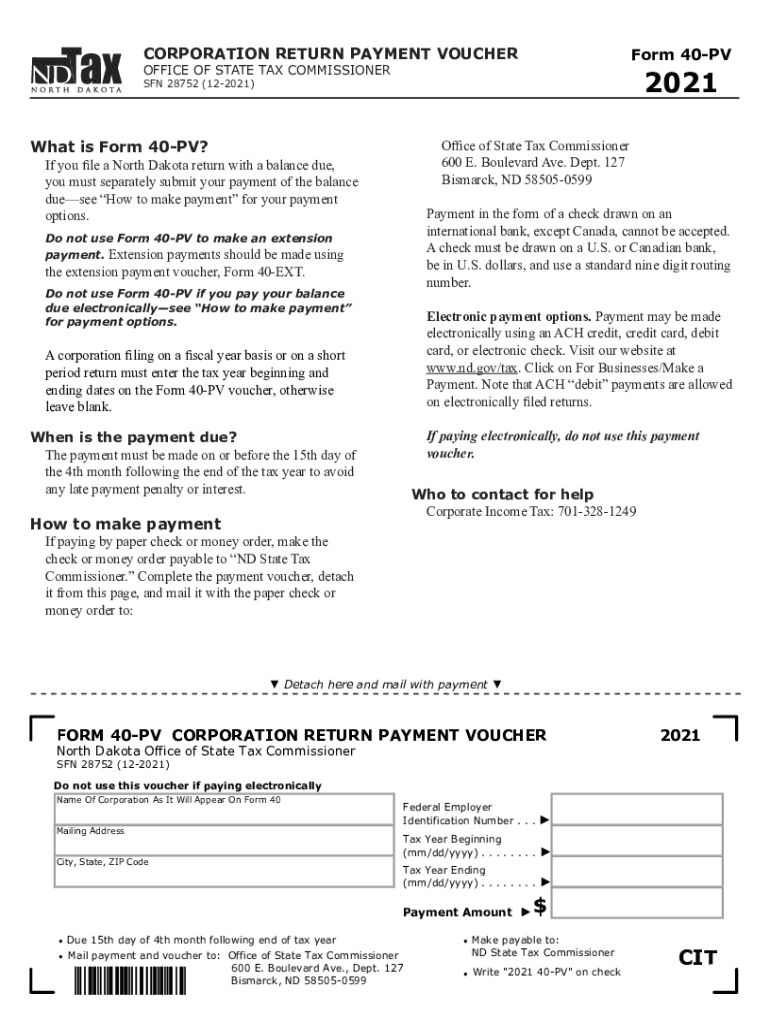







Definition and Purpose of the Corporation Tax Forms - Pennsylvania Department of Revenue
The Corporation Tax Forms from the Pennsylvania Department of Revenue serve as essential documentation for businesses to report their state tax obligations. They are designed for corporations operating within Pennsylvania to calculate and declare taxes owed based on their financial activities. These forms ensure compliance with state tax laws, providing a standardized method for businesses to communicate necessary financial information to the department.
Corporations must use these forms to report various tax liabilities, including corporate net income taxes, capital stock taxes, and any tax credits or deductions they are eligible for. The forms are comprehensive and include specific schedules for different types of tax obligations, facilitating thorough reporting.
How to Use the Corporation Tax Forms
Using the Corporation Tax Forms involves several key steps that corporations must follow to ensure accuracy and compliance. These are:
-
Gather Necessary Financial Information: Compile all pertinent financial documents such as income statements, balance sheets, and statements of cash flow.
-
Select the Appropriate Form: Identify the specific form applicable to the tax being reported, such as the RCT-101 for corporate tax reports.
-
Complete the Form Accurately: Provide detailed financial information as requested, ensuring that all calculations are precise and correct.
-
Review and Double-Check: Verify that all filled sections are accurate and that the form complies with the current tax regulations.
-
Submit Form by the Deadline: Ensure the form is submitted by the due date to avoid penalties.
By meticulously following these steps, corporations can fulfill their tax reporting obligations effectively.
How to Obtain the Corporation Tax Forms
Corporation Tax Forms are accessible through several methods:
-
Online Access: Visit the Pennsylvania Department of Revenue's official website to download forms directly. This method ensures you obtain the most current versions.
-
Physical Copies: Request forms by mail from the Department of Revenue or visit local tax offices for printed versions.
-
Third-Party Software: Utilize tax preparation software that often includes the latest forms for convenience.
These options ensure that corporations can easily access necessary documentation to meet their tax obligations.
Steps to Complete the Corporation Tax Forms
Filing the Corporation Tax Forms involves a structured process:
-
Identify the Correct Form: Determine the precise form applicable to your corporation's tax situation.
-
Prepare Financial Documents: Ensure all relevant financial statements are ready and accurately reflect the business’s activities.
-
Enter Financial Data: Carefully input the financial details into the form, using guidance tools or instructions if necessary.
-
Attach Required Schedules: Include any additional schedules or documentation as required for specific tax items like deductions and credits.
-
Verify Accuracy: Review all entries for accuracy and compliance with state tax laws.
-
Submit Form: Depending on preference, submit the form online, via mail, or in-person before the tax deadline.
Following these steps ensures thoroughness and compliance when completing the Corporation Tax Forms.
Key Elements of the Corporation Tax Forms
Corporation Tax Forms contain several critical components:
-
Taxpayer Identification: Business name and taxpayer identification number (TIN) for official records.
-
Income Details: Sections dedicated to reporting corporate net income.
-
Deductions and Credits: Areas to declare any eligible deductions or tax credits.
-
Liability Calculation: Spaces to calculate the total tax liability.
-
Certification and Signature: Authorization section for an official signature verifying accuracy.
These elements collectively provide a comprehensive overview of a corporation's tax obligations.
Filing Deadlines and Important Dates
Knowing the key filing deadlines for Corporation Tax Forms is essential:
-
Annual Filing Date: Typically, corporate tax forms must be submitted by April 15, aligning with the federal tax filing deadline.
-
Estimated Tax Payments: These are due quarterly and must be submitted according to the specified schedule to avoid penalties.
-
Extension Requests: File requests for extensions by the original due date if additional time is needed to complete the forms.
Adhering to these dates is crucial to maintaining compliance and avoiding financial penalties.
Digital vs. Paper Submission Methods
Corporations have the option of submitting tax forms digitally or on paper:
-
Digital Submission: Offers convenience and speed, with submission directly through the Pennsylvania Department of Revenue electronic filing system or supported tax software.
-
Paper Submission: Allows traditional filing via mail, requiring preparation of physical copies of the forms.
Each method has its advantages, whether prioritizing speed and efficiency or opting for physical documentation.
Penalties for Non-Compliance
Failure to comply with filing requirements can lead to:
-
Late Filing Penalties: Fees incurred for not submitting forms by the deadline.
-
Interest on Unpaid Taxes: Interest charges accrue on any unpaid tax balances after the deadline.
-
Accuracy-Related Penalties: Charges due to significant errors or misstatements on the forms.
Understanding these penalties underscores the importance of timely and accurate submission of tax forms.


