




01. Edit your form online
Type text, add images, blackout confidential details, add comments, highlights and more.

Type text, add images, blackout confidential details, add comments, highlights and more.

Draw your signature, type it, upload its image, or use your mobile device as a signature pad.

Send it via email, link, or fax. You can also download it, export it or print it out.
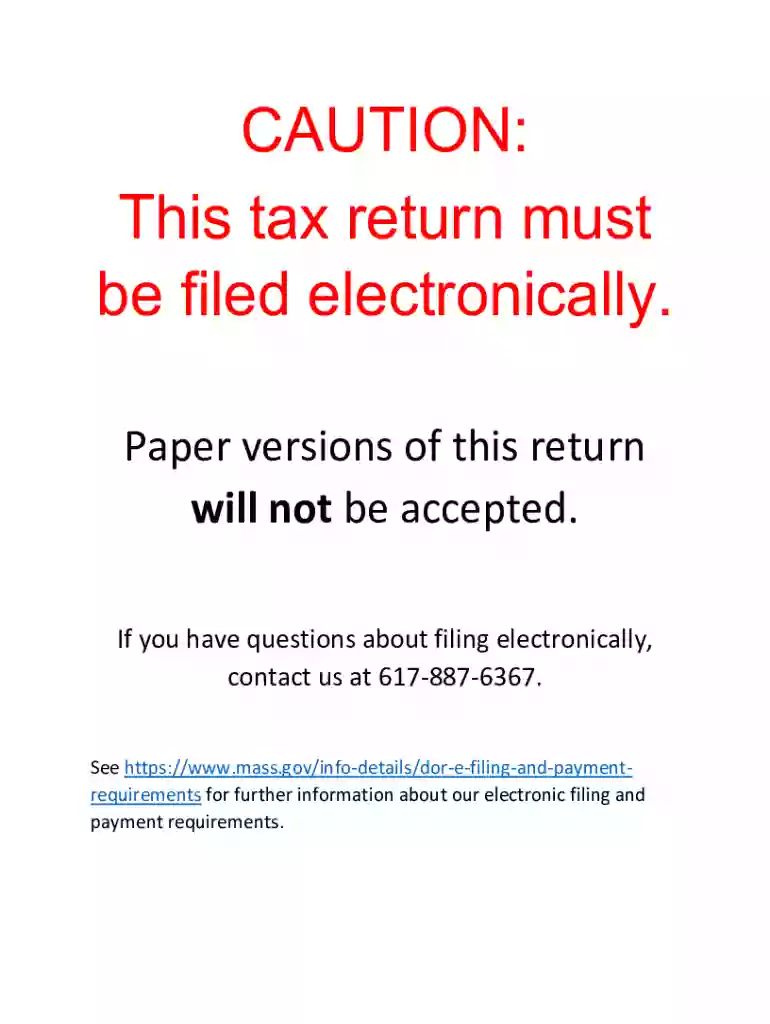
To "be filed electronically" refers to the process of submitting forms or documents to a governing body, organization, or agency using digital means rather than traditional paper-based methods. This practice is often associated with increased efficiency, security, and convenience. In the context of tax forms, such as the Form 3 for partnerships in Massachusetts, electronic filing is mandatory and ensures quicker processing times while reducing the possibility of errors that occur with manual entry. By leveraging technology, organizations can streamline the submission process, providing benefits such as instant validation and confirmation of receipt.
Filing a document electronically typically involves accessing designated platforms or software where you can upload documents directly. For tax forms like the Form 3, users are required to log in to the state’s Department of Revenue website or other authorized platforms. Here’s how you can file electronically:
Completing an electronic filing involves several detailed steps to ensure that all information is accurate and adheres to filing regulations. Below is a step-by-step guide:
In the U.S., electronic filing for certain forms is not just a convenience but a legal requirement. For partnerships in Massachusetts filing Form 3, the mandate to file electronically ensures compliance with state laws. This requirement aligns with federal regulations, which emphasize security, accuracy, and efficiency in data handling. The legal framework also stipulates penalties for non-compliance, thus reinforcing the importance of adhering to the electronic submission requirement.
The electronic filing process consists of several critical elements to ensure a smooth and compliant experience:
State-specific rules can influence how electronic filings are conducted. For Massachusetts partnerships:
The Internal Revenue Service (IRS) provides comprehensive guidelines for electronic filing, which encompass:
Failure to comply with electronic filing requirements can result in several repercussions:
By understanding and adhering to the aforementioned aspects of electronic filing, entities can streamline their compliance processes while leveraging the benefits of digital submissions.
We've got more versions of the be filed electronically form. Select the right be filed electronically version from the list and start editing it straight away!
At DocHub, your data security is our priority. We follow HIPAA, SOC2, GDPR, and other standards, so you can work on your documents with confidence.
May 22, 2026 Use tax preparation software of your choice to file your taxes electronically or on paper. numbers When you file your return, record these
The IRS recently opened e-filing to Tax Non-Residents. Sprintax Returns allows certain eligible nonresidents to e-file their federal tax return only.Read more
Feb 1, 2018 Form 7004 can be filed electronically for most returns. However,. Form 7004 cannot be filed electronically for Forms 8612, 8613,. 8725, 8831Read more


