







Definition & Meaning
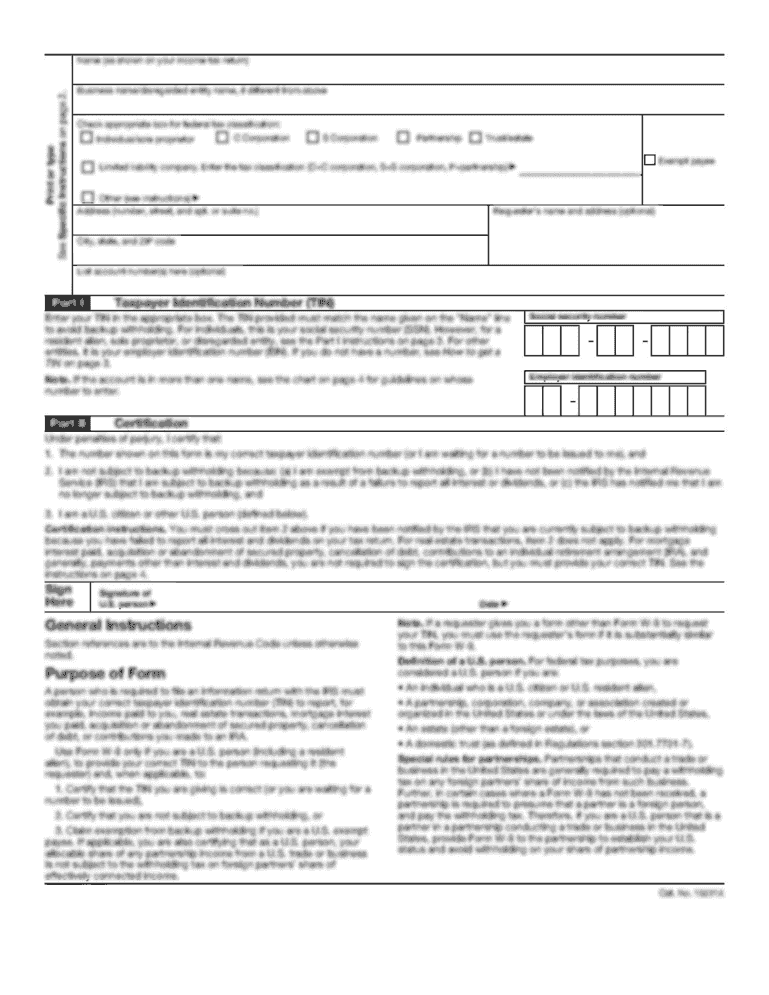
A bank draft template is a structured form that financial institutions or policyholders use to authorize automatic withdrawals from a checking or savings account. This form simplifies the management of regular payments, such as insurance premiums, loan installments, or subscription fees. By utilizing this template, payers can ensure timely and accurate deductions, reducing the likelihood of missed or late payments. The template typically includes sections for personal details, banking information, and authorization terms, making it a comprehensive guide for both account holders and financial institutions.
Key Elements of the Bank Draft Template
- Personal Information: Includes the account holder's name, contact details, and address to identify the payer clearly.
- Banking Details: Requires the bank's name, the type of account (checking or savings), account number, and routing number. These details ensure accurate withdrawal processing.
- Authorization Section: Contains a declaration from the account holder permitting the bank to execute regular deductions as specified. It often requires a signature to validate consent.
- Withdrawal Instructions: Specifies the amount to be withdrawn, frequency of the transactions (e.g., monthly, quarterly), and start date. This section ensures clarity on the payment details.
- Terms and Conditions: Lists the rights and responsibilities of the account holder, including conditions for termination of the authorization. It is crucial for understanding legal obligations.
How to Use the Bank Draft Template
- Gather Required Information: Collect all necessary personal and banking details before starting. Accurate information ensures the template is filled correctly.
- Complete the Template: Fill out each section of the document, beginning with personal details, followed by banking information, and finally, the authorization details. Ensure all fields are complete and accurate.
- Review the Terms: Familiarize yourself with the terms and conditions before offering your signature. This step is crucial to understanding your commitments and rights.
- Sign the Document: Provide your signature in the designated section, confirming your consent to the outlined terms.
- Submit the Form: Send the completed form to your financial institution or relevant entity, adhering to their submission guidelines, whether by mail, in-person, or electronically.
Who Typically Uses the Bank Draft Template
- Policy Holders: Individuals with life insurance, health insurance, or other recurring payment obligations find these templates useful for managing their premium payments.
- Loan Borrowers: Those with regular loan repayments can use the template to ensure prompt monthly debits, thus avoiding late fees.
- Subscription Services: Businesses offering regular subscriptions leverage these templates for streamlined payment collection.
- Landlords and Tenants: In the context of rental agreements, tenants may use bank drafts to facilitate consistent rent payments.


Legal Use of the Bank Draft Template
Bank draft templates comply with financial regulatory standards, ensuring transactions are legally binding and secure. Users must provide explicit consent for these transactions, typically affirmed through a signature. Compliance with regulations like the Electronic Signatures in Global and National Commerce (ESIGN) Act validates the electronic authorization of drafts, enhancing legal reliability. Furthermore, these templates offer transparency, as the terms outline the responsibilities of all parties involved, reducing the potential for disputes.
Steps to Complete the Bank Draft Template
- Download the Template: Obtain the form from your financial institution or service provider’s website. Ensure you have the correct version for your needs.
- Fill Out Personal Information: Enter your full name, address, and contact number in the provided fields.
- Input Banking Information: Provide your bank's details, ensuring the accuracy of the routing and account numbers.
- Define Withdrawal Details: Specify the amount, frequency, and start date for withdrawals.
- Read Terms and Conditions: Carefully review the terms outlined in the form to understand your responsibilities.
- Sign the Form: Add your signature to authorize the transactions formally.
- Submit: Deliver the completed form to the appropriate entity through the designated method (e.g., electronically, by mail).
Important Terms Related to Bank Draft Template
- Authorization: The formal consent given by an account holder for automatic withdrawal of funds.
- Routing Number: A unique nine-digit code used to identify a financial institution in transactions.
- Account Number: The specific identifier for your bank account, necessary for processing payments.
- Recurring Payment: A transaction that repeats at regular intervals until stopped by the account holder.
- ESIGN Act: Legislation that provides the legality of electronic signatures and records in interstate or foreign commerce.
State-Specific Rules for the Bank Draft Template
While the fundamental components of a bank draft template remain consistent, certain states may impose additional requirements or consumer protections. For instance, some states mandate a grace period for cancellation terms or specific disclosures concerning transaction fees. Additionally, states may have varying regulations affecting the processing of electronic versus paper drafts, impacting the advised methods of submission and consent. Understanding these localized rules ensures compliance and prevents potential legal complications.




