




01. Edit your form online
Type text, add images, blackout confidential details, add comments, highlights and more.

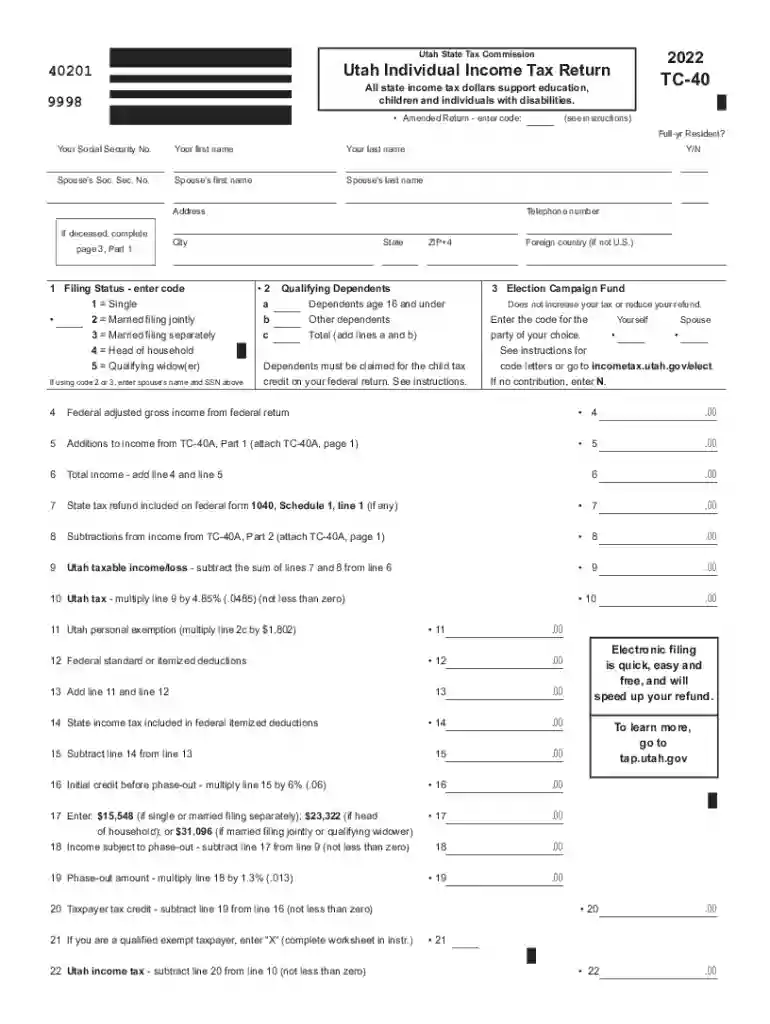
Type text, add images, blackout confidential details, add comments, highlights and more.

Draw your signature, type it, upload its image, or use your mobile device as a signature pad.

Send it via email, link, or fax. You can also download it, export it or print it out.
Personal income tax in Vermont refers to the mandatory financial charge or levy imposed on individuals' earnings by the state's Department of Taxes. This tax is essential for funding public services within Vermont, including education, healthcare, and infrastructure. The Vermont Department of Taxes administers these tax laws, ensuring compliance and efficient collection. Unlike federal taxes, which are unified across the nation, Vermont's personal income tax rates and brackets are specific to the state, providing the necessary revenue for state-funded programs.
Using the Vermont personal income tax form involves several steps. Taxpayers need to report their yearly income and calculate tax liabilities based on the state's specific tax brackets. Key inputs typically include wages, interest, dividends, and other income sources. The form guides users through claiming deductions and tax credits — such as education credits — which can lessen overall tax liability. Calculations should align with Vermont's state tax rates and exemptions. Once completed, the form should be reviewed for accuracy before submission to the Vermont Department of Taxes.
Filing personal income tax with the Vermont Department of Taxes is not only a legal obligation but also supports the state's economic vitality. Taxes fund essential public services and infrastructure projects. Furthermore, completing this process can reveal potential tax credits and deductions, ultimately reducing tax liability. Compliance ensures individuals avoid legal penalties and helps maintain accurate state revenue records, which is beneficial for state planning and resource allocation.
Vermont employs a progressive tax system with rates that vary depending on income brackets. Notably, resident taxpayers must report all worldwide income, while non-residents calculate Vermont tax only on income earned within the state. Vermont-specific rules also include certain property tax adjustments and contributions to local funds, which are unique compared to those in other states. Moreover, Vermont's use tax requires residents to pay a tax on purchases made from out-of-state vendors when sales tax wasn't collected.
Vermont income tax returns are typically due on April 15, aligning with federal tax deadlines. Extensions for filing may be granted but require proper form submission by the original due date. Tax payments should accompany any form extension requests to avoid penalties. Keeping track of these dates is crucial to ensure timely submission and avoid late fees or legal actions.
The Vermont Department of Taxes accepts various submission methods, allowing for flexibility based on personal preference and resources available. Taxpayers can file:
Digital submissions often provide quicker processing times and immediate confirmation of receipt.
Failure to comply with Vermont’s personal income tax filing requirements can lead to significant penalties. Common penalties include fees for late filing, late payment, or underpayment of taxes. Additionally, the state may impose interest on unpaid taxes, increasing financial burdens. To avoid such penalties, taxpayers should ensure timely and accurate submissions, keeping detailed and orderly financial records throughout the year.
We've got more versions of the Personal Income Tax - Vermont Department of Taxes form. Select the right Personal Income Tax - Vermont Department of Taxes version from the list and start editing it straight away!
| Versions | Form popularity | Fillable & printable |
|---|---|---|
| 2025 | 4.2 Satisfied (32 Votes) | |
| 2024 | 4.6 Satisfied (20 Votes) | |
| 2023 | 4.6 Satisfied (40 Votes) | |
| 2022 | 4.5 Satisfied (45 Votes) | |
| 2021 | 4.8 Satisfied (252 Votes) | |
| 2020 | 4.2 Satisfied (49 Votes) | |
| 2019 | 4.1 Satisfied (50 Votes) | |
| 2018 | 4.4 Satisfied (165 Votes) | |
| 2017 | 4.3 Satisfied (59 Votes) | |
| 2015 | 4.4 Satisfied (462 Votes) | |
| 2014 | 4 Satisfied (57 Votes) | |
| 2011 | 4 Satisfied (53 Votes) | |
| 2008 | 4.1 Satisfied (46 Votes) |
At DocHub, your data security is our priority. We follow HIPAA, SOC2, GDPR, and other standards, so you can work on your documents with confidence.
VTPIE Updates / Process / Procedures. A printable VTPIE Process Overview flowchart can be found in your VTPIE Help atRead more
Feb 1, 2018 If you do not file electronically, file Form 7004 with the Internal. Revenue Service Center at the applicable address for your return as shownRead more


