




01. Edit your form 1098 e online
Type text, add images, blackout confidential details, add comments, highlights and more.

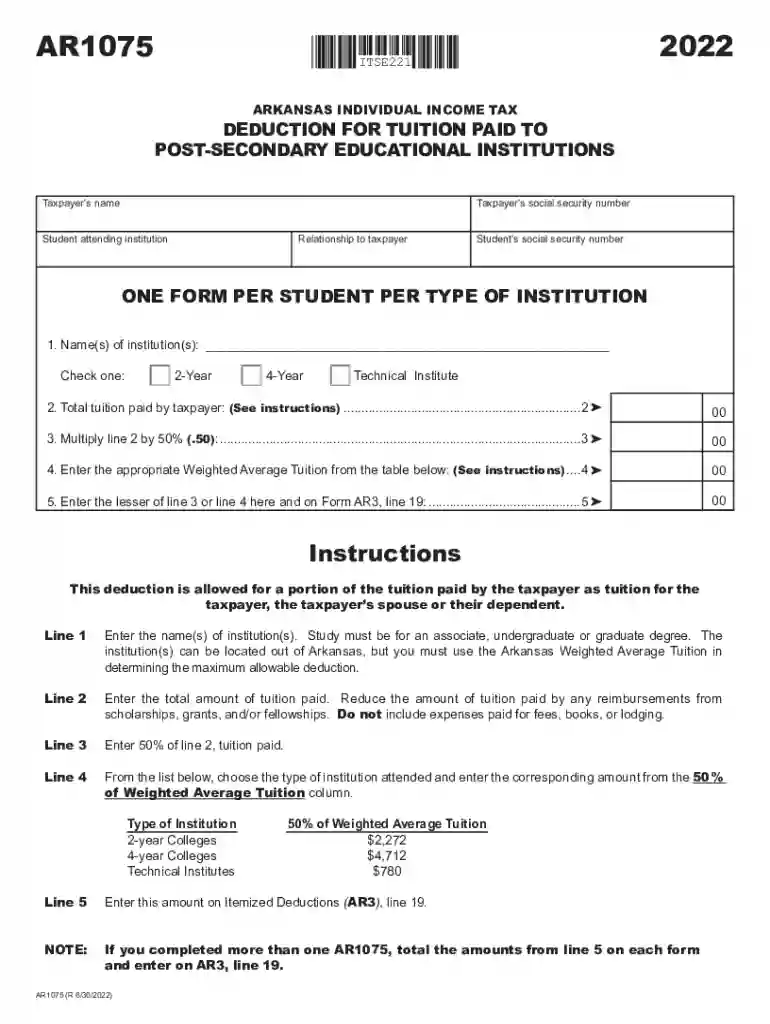
Type text, add images, blackout confidential details, add comments, highlights and more.

Draw your signature, type it, upload its image, or use your mobile device as a signature pad.

Send it via email, link, or fax. You can also download it, export it or print it out.
The 1098-E Tax Form, officially named "Student Loan Interest Statement," is used by borrowers to report the amount of interest they paid on qualified student loans during a tax year. The primary purpose of the form is to allow borrowers to potentially deduct this interest on their federal tax return, thus reducing their taxable income. Since student loan interest deductions can affect an individual's taxable situation, understanding the specifics of the 1098-E is essential. Generally, the form is provided by lenders to borrowers who have paid $600 or more in interest throughout the year.
To use the 1098-E Tax Form effectively, you must first determine your eligibility for the student loan interest deduction. This deduction could impact your taxable income and potentially reduce your federal tax liability. The form's data should be entered into your tax return, most commonly in the "Adjustments to Income" section of Form 1040. Once you have your 1098-E, ensure that the interest amounts match your records, as discrepancies can lead to inaccuracies in your tax filing.
The 1098-E Tax Form is typically mailed or provided electronically by your student loan servicer by the end of January each year. To access it, check your mail or log into your online account with your loan provider. If you do not receive your form by February, contact your lender to request one. Some loan servicers may also offer a downloadable version from their website.
Individuals in the United States who have made payments towards student loans are the primary users of the 1098-E. This includes recent graduates, other borrowers who are still repaying student loans, and parents who make payments on behalf of a dependent. Understanding the eligibility criteria is crucial, as not all taxpayers with student loans can take advantage of the deduction.


The Internal Revenue Service (IRS) provides specific guidelines for how the 1098-E form should be utilized. The IRS allows taxpayers to deduct up to $2,500 of student loan interest paid. The deduction's availability and amount depend on your modified adjusted gross income (MAGI) and your filing status. Always refer to the latest IRS publications or consult a tax professional if uncertain.
Typically, the 1098-E should be issued by January 31. However, deadlines for filing taxes, including reporting your deduction with the 1098-E information, usually fall around April 15. If you cannot file by the due date, consider requesting an extension while ensuring your 1098-E data is correctly reported. Adhering to these dates helps mitigate any penalties or interest from late filings.
To claim the deduction using the 1098-E, you must fulfill certain eligibility requirements. These include having paid interest on a qualified student loan, meeting income thresholds (subject to change yearly), and not being claimed as a dependent on another taxpayer’s return. Additionally, the loan must have been taken out solely for education expenses for yourself, your spouse, or your dependent.

In addition to the 1098-E, taxpayers should maintain records of their loan agreements, interest statements, and any other correspondence related to their student loans. Keeping track of these documents will help in case of discrepancies or IRS requests for additional information. Ensuring document completeness aids in the seamless processing of your taxes and deductions.
We've got more versions of the form 1098 e form. Select the right form 1098 e version from the list and start editing it straight away!
At DocHub, your data security is our priority. We follow HIPAA, SOC2, GDPR, and other standards, so you can work on your documents with confidence.
Information about Form 1098-E, Student Loan Interest Statement (Info Copy Only), including recent updates, related forms and instructions on how to file.
The 1098-E Student Loan Interest Statement is an IRS tax document that records the amount of interest paid on your student loans during the previous year.Read more


